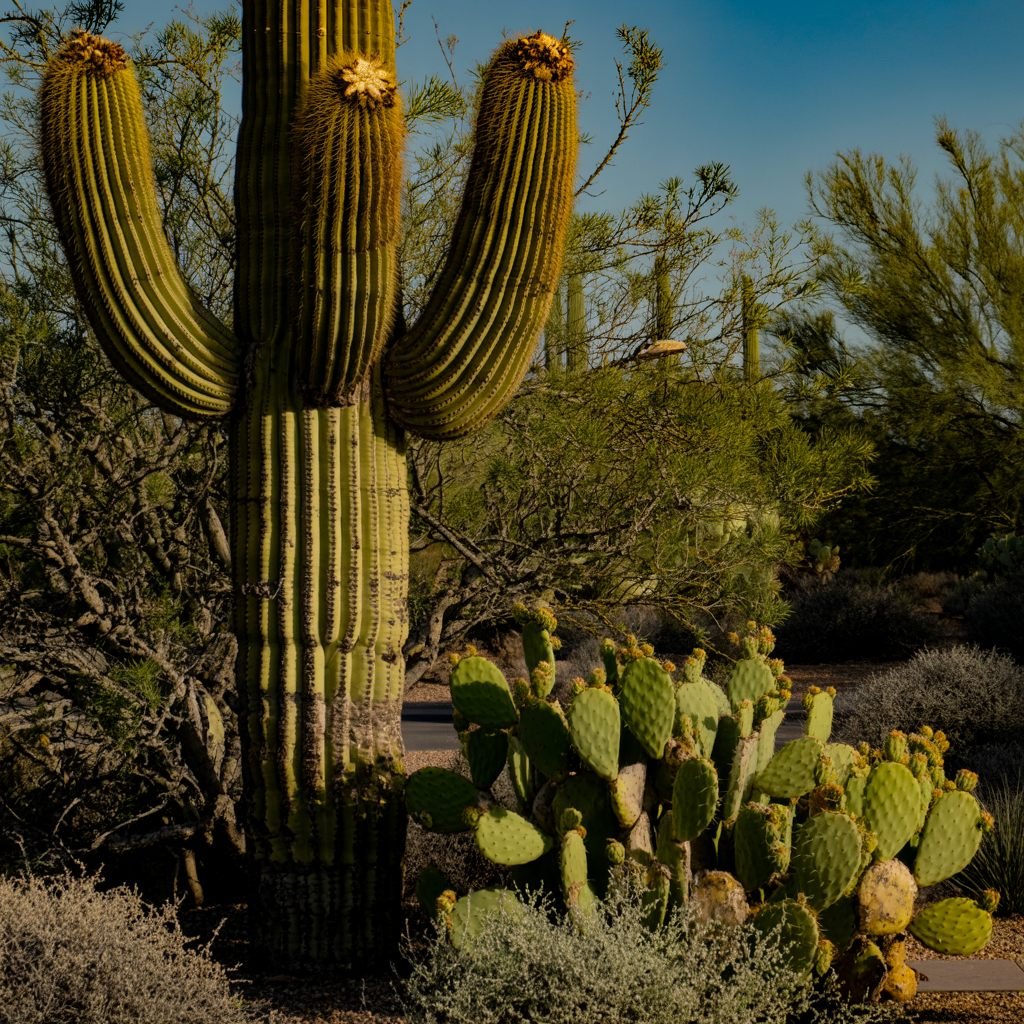
Rita Ranch is a large, relatively new area of southeast Tucson, built out across former ranch and open desert land near Davis-Monthan and the growing edge of the metro. The homes are predominantly newer stucco-over-frame on planned subdivisions, which — as in Sahuarita — means a tighter building envelope than an older Tucson house.
The defining local pattern is what happens when you build houses onto active desert: for the first year or two, the displaced wildlife has to go somewhere, and the new houses are the somewhere.
The new-development displacement effect
When a new phase is graded and built, the rodents living on that ground are not eliminated — they are pushed outward into the surrounding, already-occupied streets. A resident whose home has been quiet for two years can suddenly get activity when the parcel behind them is developed, because that construction just evicted a population that walked straight into the established neighbourhood.
This is not a defect in your house. It is a predictable wave that moves with the construction front, and it is the single most common reason for a first rodent call in Rita Ranch.
Wash edges and open state land
Much of the area sits near washes and open desert toward the Rincon Valley and the surrounding state land. Properties on the outer edge of a subdivision, backing onto undeveloped ground, face the continuous pack rat pressure that any desert-interface home does — while interior-of-subdivision homes are more insulated once the initial construction wave passes.
What we usually find
- Garage-door mice — the number-one entry on newer homes, at worn roll-up seal corners
- Pack rat middens against perimeter walls and under condensers, especially on outer-edge lots
- Vehicle nesting in cars parked outside near desert edges, with chewed wiring
- Weep holes unscreened in block perimeter walls
- Attic activity where a subdivision has aged enough for landscaping to reach rooflines
Why newer homes still get rodents
The same point that applies in Sahuarita applies here: building age controls the tightness of the envelope, not the size of the population outside it. A tight new home in the path of a construction-displacement wave, or on the edge of open desert, will still get visitors. The advantage is that sealing it is quick and durable — the entry points are few and predictable rather than the dozens an older tile roof presents.
The garage-first approach
On most newer Rita Ranch homes, the garage is the whole story. A worn door seal is a mouse highway, and the garage connects to the living space through a door that is often poorly weather-stripped and through shared wall penetrations. Hardening the garage — full door seal, screened weep holes, sealed utility penetrations, and a check of the interior connecting door — resolves the majority of calls here. Add perimeter weep screening and yard midden removal on edge lots and the property is genuinely protected.
Davis-Monthan and the surrounding land
The proximity to the base and to large tracts of undeveloped and agricultural-edge land keeps the wider landscape rodent-rich. That is not something any homeowner can change, which is exactly why exclusion — sealing your specific house — matters more than trying to reduce the population outside. You cannot empty the desert; you can close your doors to it.
Timing your work
If a new phase is being built near you, that is the moment to seal — before the displacement wave arrives, not after. More generally the metro calendar holds: seal in spring, expect monsoon displacement, brace for the October indoor push. See the seasonal rodent calendar and monsoon displacement.
What it costs
As with other newer areas, exclusion on a tight home sits toward the lower end of our range. Edge-of-desert lots with active pack rats and vehicle nesting run a little higher because the yard and vehicles are part of the scope. See pricing.
Davis-Monthan, dust and the vehicle problem
Rita Ranch has a lot of driveway and street parking, and vehicles that sit are one of the most expensive rodent targets in the area. A car parked near a desert edge for a week gives a pack rat everything it wants: a warm, enclosed, undisturbed cavity full of chewable wiring and insulation. Modern soy-based wiring insulation makes it worse, because the coating itself is attractive to chew. If you have a second vehicle, an RV or a work truck that sits, check under the hood periodically and keep the area around it clear — a parked vehicle beside stored clutter is the classic setup for a chewed-wiring repair bill.
Common questions from Rita Ranch homeowners
Why now, when we've been fine for years?
Almost always nearby construction. Grading a new phase evicts the rodents living there, and they move into the established streets around it. It is a wave that passes — but sealing your home is what keeps it from moving in.
Is the garage really the main way in?
On newer homes here, yes. The roll-up door seal wears at the corners and becomes a mouse-sized gap, and the garage connects to the living space. Fixing the seal solves most calls.
Do you treat the desert-edge lots differently?
Yes — outer-edge homes get continuous pack rat pressure, so we add perimeter weep screening, yard midden removal and vehicle checks on top of the standard garage-and-penetration seal.
New to a rodent problem after years of quiet? There is probably construction nearby. Book a free inspection and we will seal ahead of the wave.
Want it confirmed properly?
A free inspection identifies the species, every entry point and the scope of work — with photographs, in writing, before anyone quotes a figure.
Explore this section
Tucson Areas
Rodent pressure is not evenly distributed across Tucson. Housing stock, elevation, vegetation and proximity to…
Catalina Foothills
Large lots, desert washes and mature tile roofs. The Foothills get both species at once, which is why partial …
Tanque Verde
Wash corridors, acreage and outbuildings. Tanque Verde properties have more structures than the average lot, a…
Oro Valley
Newer construction against open desert. Oro Valley homes are usually well built and still get pack rats, becau…
Vail
Open desert on every side, acreage lots and a lot of stored equipment. Vail is pack rat country, and the vehic…
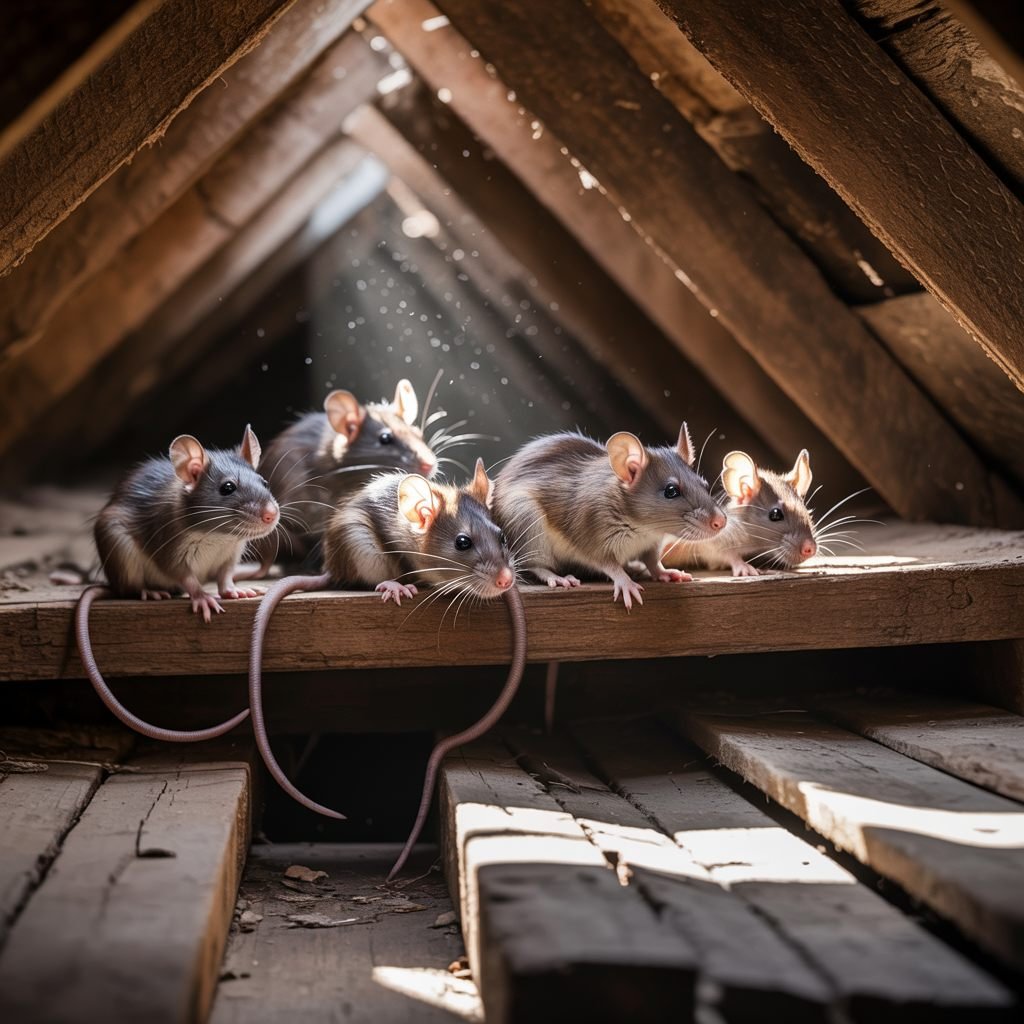
Sam Hughes
Mature citrus, historic construction and a canopy that connects half the neighbourhood. Sam Hughes is roof rat…