
This is the service for properties that do not currently have a problem. It is also, by a considerable margin, the cheapest version of this work — because you are paying for exclusion alone rather than exclusion plus removal plus damage remediation.
The cost argument, plainly
A standard rodent job has three cost components: sealing the building, clearing the population, and repairing what the population damaged. Preventive work is component one only.
By the time a homeowner calls in October having heard scratching since August, all three are in play — plus contaminated insulation, possibly chewed duct wrap, and occasionally wiring. The sealing element costs roughly the same either way. The other two are what the delay bought.
Timing: April to June
There is a genuinely optimal window in the Tucson calendar and most people miss it by about four months.
- Populations are at their annual low. Winter attrition has happened; the post-monsoon boom has not started.
- You are sealing ahead of the pressure — before monsoon displacement in July and the autumn migration indoors.
- Attics are workable. By August an attic is genuinely hazardous to work in for any length of time, which means rushed work rather than thorough work.
Winter is a decent second choice for attic conditions. See the best time of year to rodent-proof for the full seasonal reasoning.
What the work covers
The structure
Everything in our exclusion scope: tile roof terminations, ridge and hip closures, vent screening, weep hole covers that preserve drainage, utility penetrations, block-wall caps, door sweeps and garage door seals.
The yard
This is what distinguishes prevention from plain exclusion. Sealing stops entry; habitat work reduces how hard the animals are trying in the first place.
- Canopy clearance — a specific trimming distance, checked across the whole chain of trees rather than the obvious one. This single item removes the primary roof rat route.
- Palm frond skirts — old accumulations are close to purpose-built rodent habitat.
- Woodpile siting — raised off the ground and moved well away from the structure.
- Clutter — stacked pots, materials, unused equipment. This is pack rat staging habitat.
- A clear strip of open gravel against the foundation, which exposes anything crossing and makes future inspection far easier.
- Fallen fruit — weekly pickup during citrus season does more than most products sold for the purpose.
Water
The desert's limiting resource and the strongest single attractant. We walk the drip system, identify leaks, blown emitters and pooling, and flag the AC condensate line, which produces a steady reliable summer drip that rodents find quickly.
What you receive
- A full inspection with photographs of every vulnerability found
- An itemised written scope of the sealing work
- A written property-specific prevention plan — trimming distances, irrigation fixes, storage changes, listed by location rather than described generally
- A warranty on the exclusion work with terms stated in advance
- A baseline record, so if anything ever recurs you know immediately whether it is a new opening or a failure of previous work
That written plan matters. "Trim your trees back" is advice. "The palo verde at the north-east corner needs 4 ft clearance from the fascia, and the queen palm behind the garage needs the skirt removed" is a plan someone can actually execute.
Who this is particularly worth it for
- New purchases — before you move in, while the attic is empty and access is easy
- Foothill and wash-adjacent properties, which face continuous pack rat pressure
- Homes with mature citrus or palms near the roofline
- Anyone who has just had a problem resolved — the population is gone; keeping it that way is the cheap part
- Second homes and rentals, where nobody is present to notice early signs
- Households with asthma or allergies, where the allergen load matters more than the nuisance
Doing some of it yourself
Plenty of the yard-level work is genuinely DIY, and we will tell you which parts. Fruit pickup, clutter removal, woodpile relocation and irrigation repair need no specialist skill at all.
The roofline is where professional work earns its money — partly because the openings are invisible from the ground, and partly because it is height work. Our rodent-proofing checklist sets out the whole walkthrough if you want to start yourself.
Prevention for buyers and sellers
Two situations where this work has value beyond the rodents themselves.
Buying. A standard home inspection will note visible rodent evidence but will not assess the roofline for entry points or identify middens in the landscaping. If you are purchasing a Foothills or wash-adjacent property, a rodent-specific assessment before closing tells you whether you are inheriting a contaminated attic — which is a real number, not a hypothetical one. The best time to do exclusion is before you move in, while the attic is empty and access is easy.
Selling. Evidence found during a buyer's inspection is a negotiating lever against you, and it lands late in the process when you have least room to manoeuvre. Addressing it beforehand, with an itemised scope document to show, converts a potential deduction into a documented improvement.
Rentals and second homes
Properties without someone present to notice early signs are exactly where problems compound. Nobody hears the first weeks of attic activity, and the first indication is a tenant reporting a smell or a room that will not cool — by which point insulation is contaminated.
For landlords, preventive exclusion between tenancies is the cheapest window that exists: the property is empty, access is unrestricted, and you are not coordinating around anyone's schedule. For second homes, an annual check before the season you are away matters more than the same check at any other time.
Common questions
When is the best time to rodent-proof in Tucson?
Spring to early summer — before the monsoon-fed population peaks and before the October indoor push. Sealing ahead of the pressure is far easier than reacting to it, and availability is much better before the autumn rush.
What does prevention actually involve?
Sealing the entry points, screening weep holes and vents, fitting a proper garage door seal, trimming canopy back from the roof, and reducing yard harbourage and food. It is the same exclusion work that resolves an active problem, done before you have one.
Do I need this if I don't have rodents right now?
If your home is sealed and away from heavy pressure, maybe not. But desert-edge lots, mature-canopy neighbourhoods and part-time-occupied homes benefit from proofing before the season turns — it is cheap insurance against a much bigger job.
Or book a free inspection and get the photographs and the scope before deciding what to hand over.
Want it confirmed properly?
A free inspection identifies the species, every entry point and the scope of work — with photographs, in writing, before anyone quotes a figure.
Explore this section

Services
Six services, one principle: seal the building first, then clear what is inside. Everything we do is built aro…

Rodent Exclusion
The only service on this site that actually ends the problem rather than managing it. Everything else is clean…
Trapping & Removal
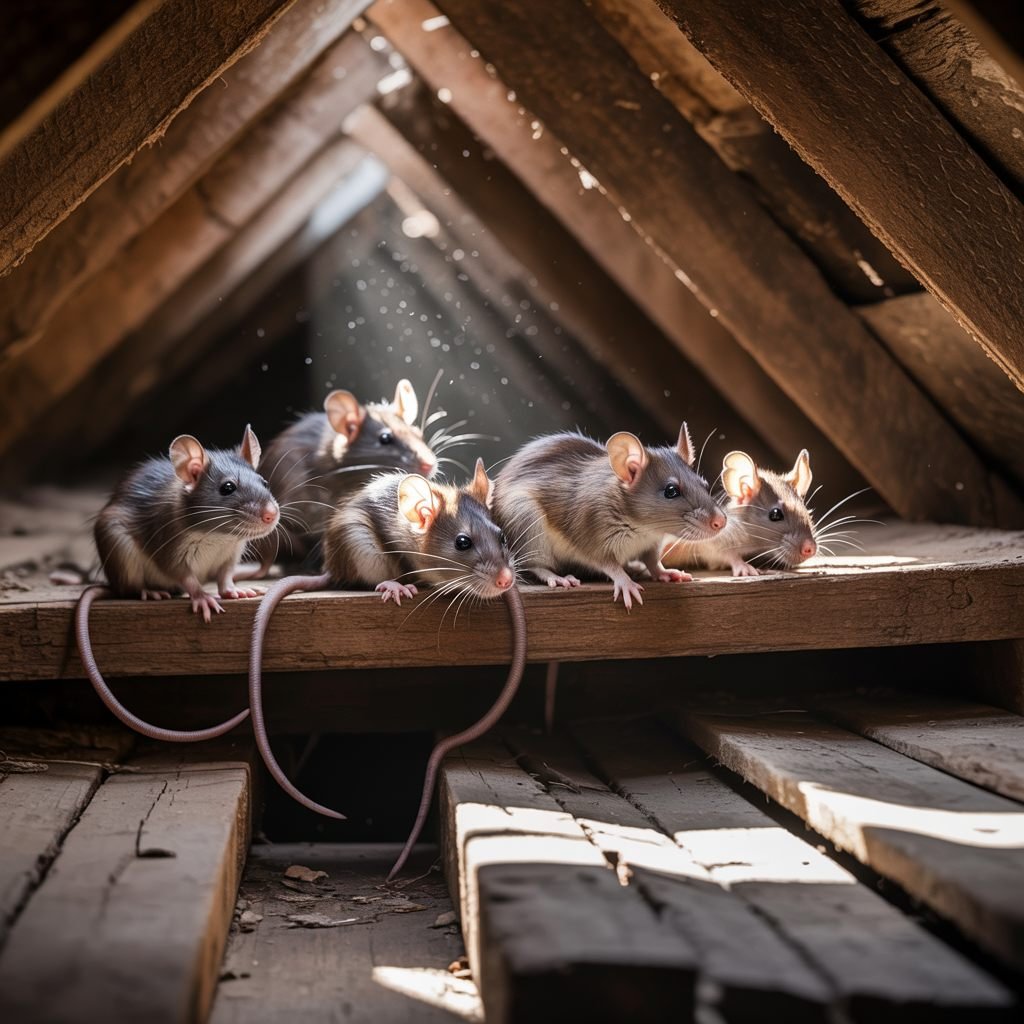
Trapping is the cleanup, not the cure. Done properly it clears a population in days; done the usual way it run…

Humane Control
An honest page. Humane methods work well for some species and situations and poorly for others, and we would r…

Commercial
Same core process, scaled up — with the documentation a health inspector will actually ask for and a service s…
Attic Cleanup
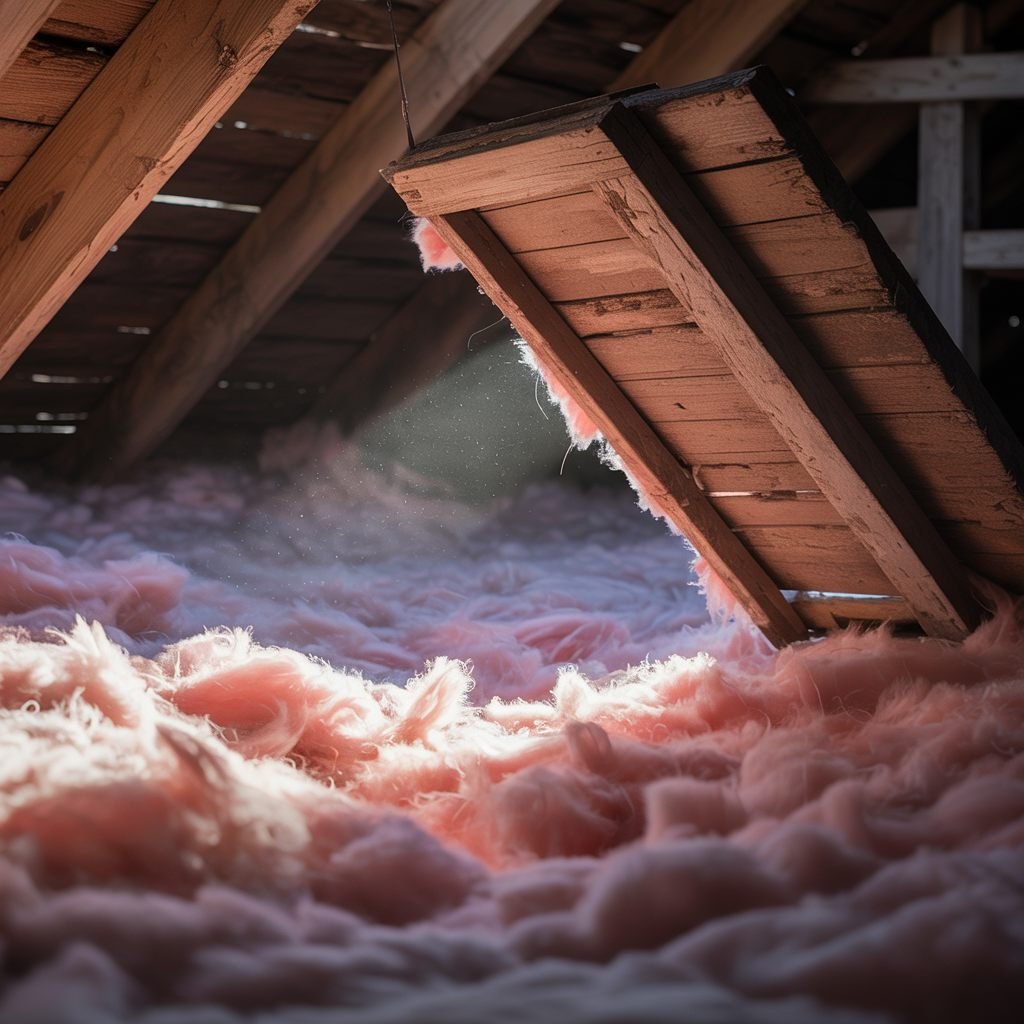
The work that should not be done unprotected. Contaminated insulation cannot be cleaned — it has to come out, …