An inspection is the only honest starting point, because the main cost driver in this work — the number of entry points — cannot be assessed any other way.
It costs you nothing and there is no obligation afterwards. The scope document is yours whether or not you hire us; take it to another company and compare it properly.
What happens
45 to 90 minutes for a typical single-family home. Longer for larger properties with casitas, outbuildings or extensive block walls — tell us what is on the property when you book so we allow the right amount of time.
We walk the whole property, not just the room where you heard something:
- Exterior perimeter — foundation, weep holes, utility penetrations, AC line sets, hose bibs
- Roofline — every eave and rake termination, ridge and hip closures, valleys, penetrations, vent screens, roof-to-wall junctions
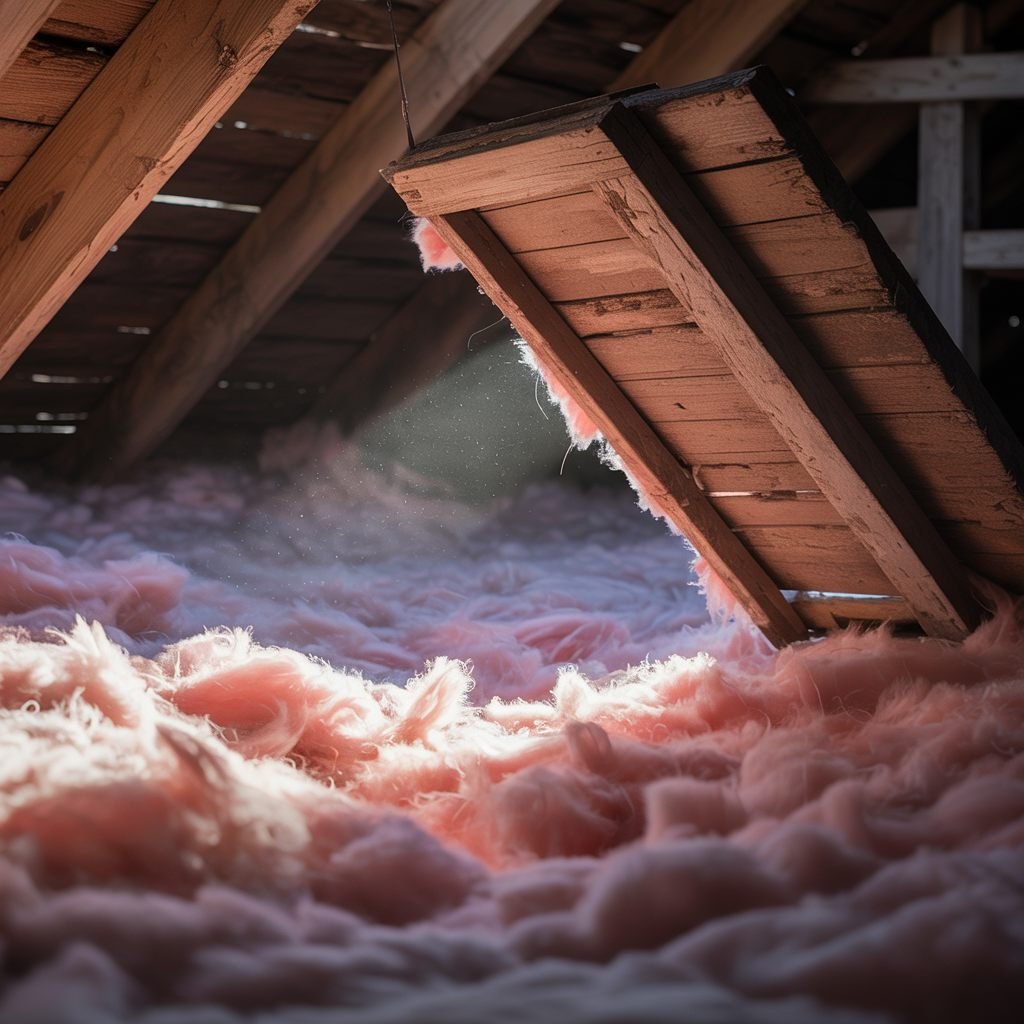
- Attic — including the daylight check that shows roof-plane openings directly
- Interior — under sinks, behind appliances, kickboards, garage-to-house door
- Yard — middens, runways, burrows, canopy contact, woodpiles, irrigation leaks
- Vehicles and outbuildings — engine bays, sheds, workshops, stored trailers and RVs
What you get
- The species confirmed rather than guessed — this determines the whole plan
- Photographs of every entry point found, walked through with you
- An itemised written scope — each point listed by location and sealing material, not a lump sum
- An honest assessment of damage — insulation, ductwork, wiring
- An exact price, in writing, itemised so you can compare it like-for-like
- A property-specific prevention plan — trimming distances by tree, irrigation fixes by location
What we will not do
No pressure to sign on the day. No expiring discounts, no urgency tactics. Take the scope document, think about it, get another quote.
No selling you work you do not need. If you have kangaroo rats in the yard causing no structural harm, we will tell you that and recommend habitat adjustments. If a single early mouse is a job you can finish yourself, we will say so and show you where the gap is.
No quoting for openings we cannot show you. If it is not photographed, it is not on the scope.
How to prepare
Nothing is required, but these help:
- Note when and where you hear activity — time of night and which part of the house
- Photograph any droppings with something for scale before cleaning them up. A coin works.
- Do not clean up a midden or disturb nesting material — leave it for us to handle properly
- Clear attic hatch access if you can do so safely
- Make a list of structures — casita, workshop, shed, detached garage — and vehicles that sit unmoved
- Note any allergy or asthma sufferers in the household, which affects how we handle contaminated material
What if you find nothing?
It happens, and we will tell you. Sometimes the noise is a bird nesting in a vent, a lizard in a wall cavity, or an HVAC issue unrelated to wildlife. Sometimes there was a problem and it has already resolved.
You get the assessment either way, at no charge, and no invoice for peace of mind.
When to book
Now, if you have current activity. Every week an established population stays in an attic adds contaminated insulation, compression damage and gnawing on duct wrap and sometimes wiring.
April to June, for preventive work. Populations are at their annual low, you seal ahead of monsoon displacement and the autumn wave, and attics are still workable. Availability is also better before peak season.
Common questions about the inspection
Do I need to be home?
Yes, ideally. Somebody needs to provide attic access, and the walkthrough at the end — where we show you the photographs and explain what each opening means — is genuinely more useful than reading a report later. Expect to spend about fifteen minutes of the appointment with us.
Will you go on the roof?
Where it is safe to do so, yes, because that is where the entry points are on most Tucson homes. Some roofs cannot be safely walked — very steep pitches, fragile or degraded tile, wet conditions — and in those cases we inspect from ladders and with extended-reach equipment and tell you plainly what we could and could not see.
Will you go into the attic?
Yes, with proper respiratory protection. If contamination is heavy we may inspect from the hatch rather than entering, which is a safety decision rather than a shortcut, and we will explain what that means for the assessment.
What if I have already set traps?
Leave them. What they have and have not caught is useful evidence about species and population, and where they are placed tells us something too. Do not clean anything up before we arrive — droppings, trails and rub marks all map the routes.
Do you charge if I do not book the work?
No. The inspection is free and the scope document is yours regardless. We would encourage you to take it to another company and compare it properly — that is what an itemised scope is for.
How soon can you come?
Usually within a few days. Peak season, roughly September through November, runs longer, which is another argument for booking preventive work in spring.
Book it
Call (520) 555-0142 or use the form on our contact page. Same business day response.
Not ready yet? Read exactly what happens on a visit, check what it costs, or work through the signs of rodents to see what you might be dealing with.
Want it confirmed properly?
A free inspection identifies the species, every entry point and the scope of work — with photographs, in writing, before anyone quotes a figure.