Catalina Foothills is the area we are called to most often, and it is also the area where the largest share of properties have two rodent problems running simultaneously.
The reasons are structural: large lots that back onto undeveloped desert, wash corridors running through the neighbourhood, mature landscaping, and a housing stock dominated by tile roofs and block wall construction.
What makes 85718 different
Wash proximity
The washes running down from the Catalinas are wildlife corridors. The scrub along them is close to ideal pack rat habitat, and pressure on adjacent properties is continuous rather than seasonal. Sealing a house here reduces entry; it does not reduce how many animals are living thirty yards away.
Large lots
More ground means more staging habitat — woodpiles, stored materials, detached casitas, guest houses, workshops and equipment that sits unmoved. Middens on Foothills properties are frequently well away from the main house, which is why homeowners who have looked around their patio conclude there is no midden when there are two.
Mature desert landscaping
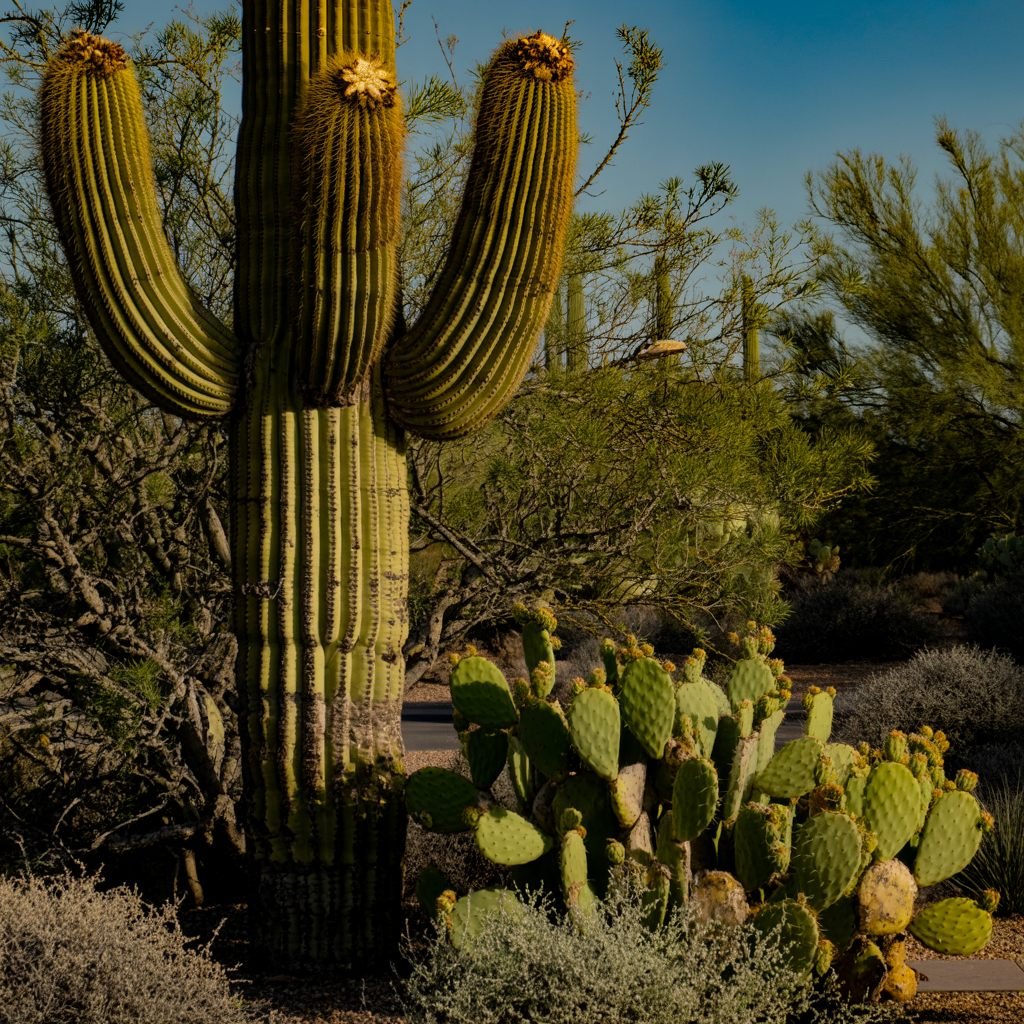
Established prickly pear and cholla are classic midden sites — the spines protect the nest. Dense native plantings against block walls provide continuous cover from owls and coyotes.
Tile roofs at scale
Barrel and S-tile is the norm here, often on large, complex roof structures with multiple planes, valleys and roof-to-wall junctions. Every termination is a potential roof rat entry, and none are visible from the ground.
What we usually find
A typical Foothills inspection turns up some combination of:
- Missing or broken bird stops at eave and rake terminations — the single most common finding
- Cracked ridge and hip closures, where mortar has failed with thermal cycling
- Multiple middens — against perimeter block walls, under decks, in woodpiles, and beneath vehicles or equipment
- Canopy bridges where a mesquite, palo verde or citrus has grown into contact with the fascia
- Unscreened weep holes along extensive block wall runs
- Nests in vehicles — second cars, trucks and RVs that sit for weeks
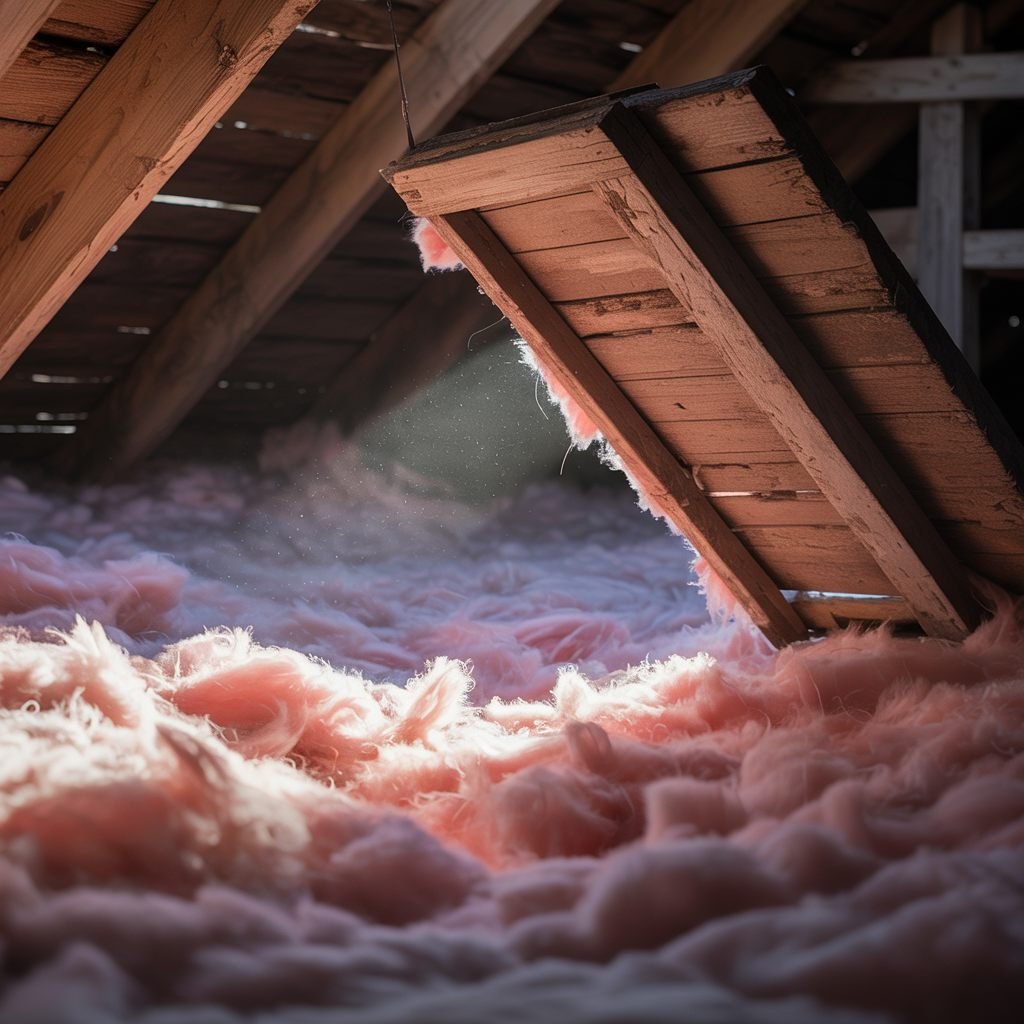
- Contaminated attic insulation in homes where the problem ran for a season before anyone called
The kissing bug factor
This matters more in the Foothills than almost anywhere else in the metro, because midden density is higher.
Pack rat middens are a documented breeding habitat for kissing bugs (Triatoma species). A midden against your block wall or under a deck gives them a short trip indoors through weep holes and door gaps, where they feed at night on sleeping occupants. For most people the bite is minor; in sensitised individuals reactions can escalate seriously.
If anyone in a Foothills household is waking with unexplained clustered bites, locating middens is the first thing to do. See kissing bugs and pack rats.
What treatment involves here
Foothills jobs are usually larger than the metro average, for three reasons: the roofs are bigger and more complex, there are typically multiple middens rather than one, and outbuildings and vehicles need including.
- Full property walk — main house, casita, workshop, sheds, vehicles, perimeter walls
- Roofline inspection across every plane, valley and junction
- Midden location and removal with containment and PPE
- Exclusion — tile terminations, weep hole covers, vent screening, penetrations
- Canopy clearance plan with specific distances, checked across the whole chain of trees
- Trapping along identified attic runs
- Decontamination where attic insulation is saturated
Practical advice for 85718
- Keep a clear strip of open gravel against the foundation and along block walls. It exposes anything crossing and makes finding middens far easier.
- Move woodpiles well away from the house and raise them off the ground.
- Open the hood on anything parked more than a few days.
- Check detached structures — casitas and workshops that are rarely opened are where populations establish unnoticed.
- Seal in spring. Foothills properties face year-round pressure, so preventive work pays back faster here than anywhere.
What it typically costs in 85718
Foothills jobs sit above the metro average, and it is worth understanding why rather than being surprised by it. Three factors drive it: roof complexity, because large homes here have multiple planes, valleys and roof-to-wall junctions each needing individual attention; midden count, because it is unusual to find only one; and the number of separate structures, since casitas, workshops and detached garages all need inspecting and often sealing.
The exclusion element is priced per point sealed, so a sprawling single-storey with 300 feet of roofline costs more than a compact two-storey with the same floor area. Our pricing page sets out the ranges and the seven factors in full.
Seasonal timing here
Because Foothills pressure is continuous rather than seasonal, preventive work pays back faster here than anywhere else in the metro. The April-to-June window still applies — populations are at their annual low, you seal ahead of monsoon displacement, and attics remain workable.
The area-specific addition is to walk the property after any significant monsoon cell. Wash flooding displaces animals directly toward adjacent properties, and a midden found in week one is a fraction of the job it becomes at month six.
One practical note for large Foothills lots: tell us upfront how many structures there are — main house, casita, workshop, sheds — and whether any vehicles sit unmoved, so we can allow the right amount of time. A five-structure property walked properly takes considerably longer than a single house, and we would rather book the correct length than rush it.
Book a free inspection and we will walk the whole property, not just the house, with photographs of everything found before anyone quotes a figure.
Want it confirmed properly?
A free inspection identifies the species, every entry point and the scope of work — with photographs, in writing, before anyone quotes a figure.
Explore this section
Tucson Areas
Rodent pressure is not evenly distributed across Tucson. Housing stock, elevation, vegetation and proximity to…
Tanque Verde
Wash corridors, acreage and outbuildings. Tanque Verde properties have more structures than the average lot, a…
Oro Valley
Newer construction against open desert. Oro Valley homes are usually well built and still get pack rats, becau…
Vail
Open desert on every side, acreage lots and a lot of stored equipment. Vail is pack rat country, and the vehic…

Sam Hughes
Mature citrus, historic construction and a canopy that connects half the neighbourhood. Sam Hughes is roof rat…
East Tucson
The broadest mix in the metro — 1960s block, 1980s tile and newer infill, all in one area. Which problem you h…