
South Tucson and the surrounding older neighbourhoods have some of the city's most historic housing stock — traditional adobe, burnt adobe and early block construction on compact lots, much of it eighty years old or more.
That changes both what gets in and, more importantly, how repairs must be made. Sealing an adobe wall with the wrong material causes damage that outlasts any rodent problem.
What makes this area different
Traditional adobe and burnt adobe
Adobe presents two specific vulnerabilities. Erosion pockets form at the base of walls and around openings as weathering wears the material, and rodents enlarge them — a soft substrate does not stay small once gnawing starts. Viga penetrations, where roof beams pass through the wall, have seals that shrink and crack with age and thermal movement, and they sit high on the wall where nobody looks.
Early block construction
Weep holes and expansion gaps that were never intended to be sealed, plus hollow CMU cores that can run continuously where ungrouted. A cracked or missing wall cap turns those cores into a vertical route from grade into the roof structure.
Compact lots
Buildings close together mean shared boundaries, shared walls in some cases, and less distance between a neighbour's problem and yours. Treating one property while an adjacent reservoir persists is a common frustration here.
Mature trees on small plots
Where there is canopy, it is usually close to the structure simply because there is not much room. Even a modest tree can bridge to a roofline on a small lot.
The repair material issue
This is the most important thing on this page, and it is where well-meaning DIY work does lasting harm.
Do not use Portland-heavy cement mortar on traditional adobe. It is harder than the surrounding material, it does not move with the wall, and it concentrates stress and moisture at the joint — causing accelerated erosion around the repair. You seal a rodent hole and create a spalling problem that spreads.
Appropriate repairs use lime-based or mud-based materials compatible with the substrate. On burnt adobe and block, conventional masonry repair is generally fine. Knowing which you have matters, and if you are unsure it is worth establishing before anyone patches anything.
Where a repair is properly restoration work rather than pest work, we will say so. We would rather tell you to call a specialist than make an irreversible mess of a historic wall. Full detail: rodent-proofing adobe and block homes.
Weep holes — screen, never seal
Worth repeating in this area specifically, because the older the construction the more moisture management matters.
Weep holes let wall assemblies drain and breathe. Filling them with mortar or foam traps moisture inside the wall, and in a monsoon climate that produces efflorescence, spalling and interior damp. Use stainless or copper weep-hole covers, or tightly fitted stainless mesh — passage blocked, drainage preserved.
Plastic covers embrittle under Tucson UV within a few years and then fail, so they are a false economy.
What we usually find
- Erosion pockets at wall bases, widened by gnawing
- Perished viga seals high on adobe walls
- Unscreened or badly sealed weep holes
- Cracked or missing block wall caps
- Failed original vent screens
- Gaps at door thresholds where original doors have settled
- House mice as the dominant indoor species, with roof rats where canopy reaches a roof
Renters and older housing
A significant share of housing here is rented, and the structural repairs that actually solve the problem — wall repairs, vent screening, weep hole covers — are landlord work rather than tenant work.
If you are renting: report in writing, keep the record, and focus your own effort on what you control — hard sealed food containers including pet food, door sweeps, cleaning up droppings safely, and not leaving water available overnight. Our guide on mice in the kitchen covers the tenant-side steps.
If you are a landlord: exclusion between tenancies is far cheaper than repeated call-outs, and on older construction it protects the building as well as the tenants.
Practical advice
- Establish what your walls are — traditional adobe, burnt adobe or block — before any patching
- Screen weep holes, never seal them
- Check the wall cap along its full run for cracked or missing sections
- Look high on adobe walls at viga penetrations
- Fit door sweeps — settled older doors leave gaps at thresholds
- Use the 6 mm test — if a pencil fits, a mouse fits
Telling adobe from burnt adobe from block
Since this determines what repairs should be made of, here is a rough field guide.
Traditional adobe is unfired earth, usually rendered with a mud or lime plaster. It erodes visibly at the base where water splashes, and damaged areas crumble to soil rather than fracturing. It is soft enough to scratch with a key.
Burnt adobe is fired brick, often left exposed as a warm red-brown surface with visible individual blocks and wide mortar joints. It is much harder than traditional adobe and tolerates conventional masonry repair.
Concrete block is uniform grey-cored units, usually stuccoed over, with regular weep holes at the base.
If you are not certain, the safe assumption is traditional adobe — using a softer, compatible repair material on harder substrate causes no harm, whereas the reverse does.
Shared walls and neighbouring properties
On compact lots, a shared or near-shared boundary wall means a neighbour's untreated problem sits a few feet from your structure. Sealing your own building still works, but the pressure against it stays high.
Where the source is clearly on adjacent property, we will document it in writing. That document is often what actually resolves the situation, because it gives you something factual to take to a neighbour, a landlord or a property manager rather than an argument.
Book a free inspection and we will assess the construction type first, because it determines what any repair should be made of.
Want it confirmed properly?
A free inspection identifies the species, every entry point and the scope of work — with photographs, in writing, before anyone quotes a figure.
Explore this section
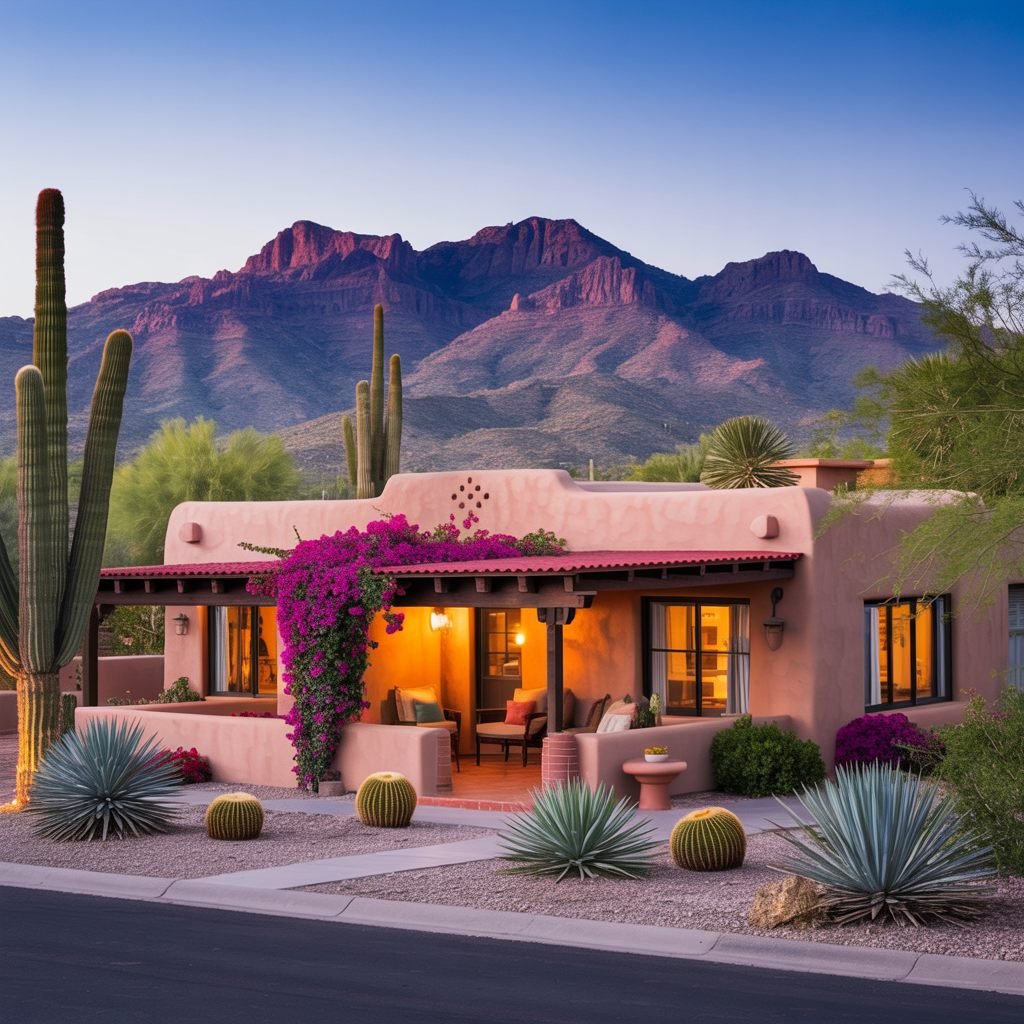
Tucson Areas
Rodent pressure is not evenly distributed across Tucson. Housing stock, elevation, vegetation and proximity to…
Catalina Foothills
Large lots, desert washes and mature tile roofs. The Foothills get both species at once, which is why partial …
Tanque Verde
Wash corridors, acreage and outbuildings. Tanque Verde properties have more structures than the average lot, a…
Oro Valley
Newer construction against open desert. Oro Valley homes are usually well built and still get pack rats, becau…
Vail
Open desert on every side, acreage lots and a lot of stored equipment. Vail is pack rat country, and the vehic…

Sam Hughes
Mature citrus, historic construction and a canopy that connects half the neighbourhood. Sam Hughes is roof rat…