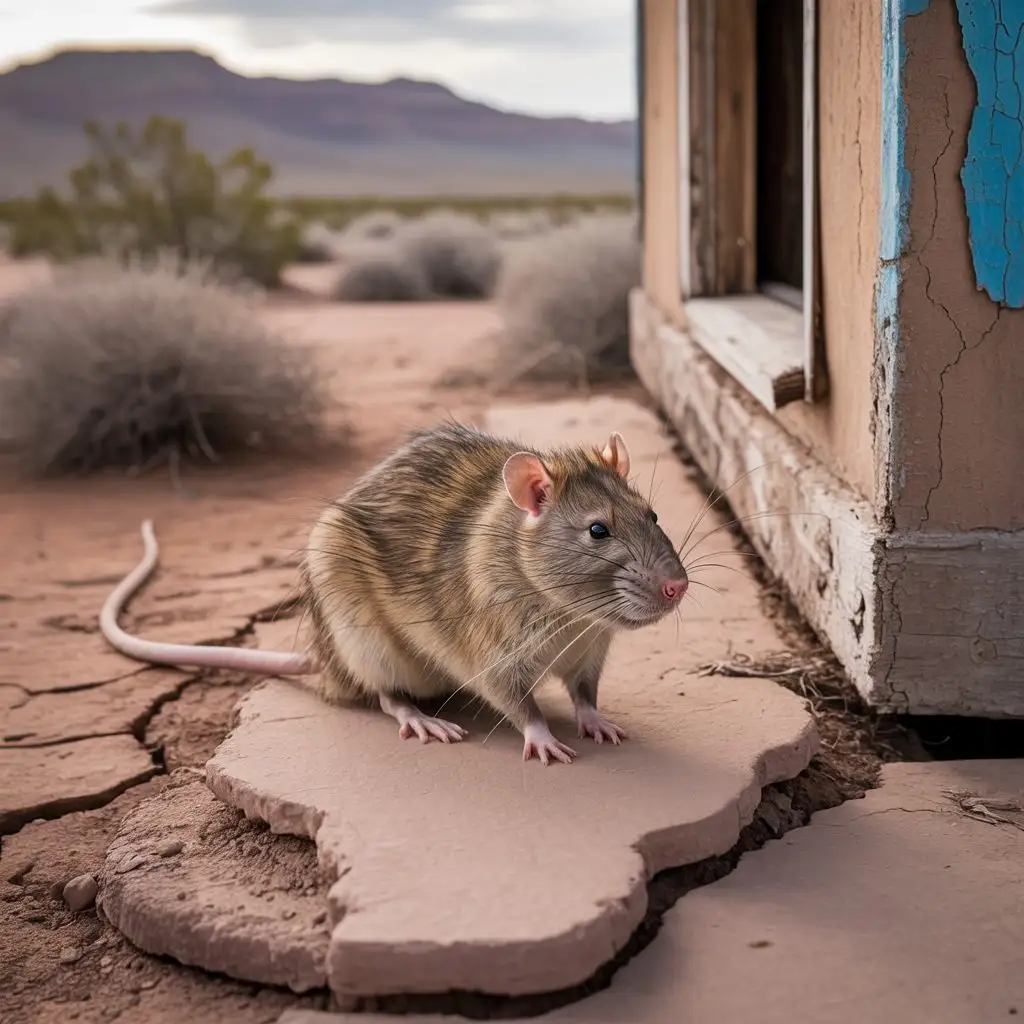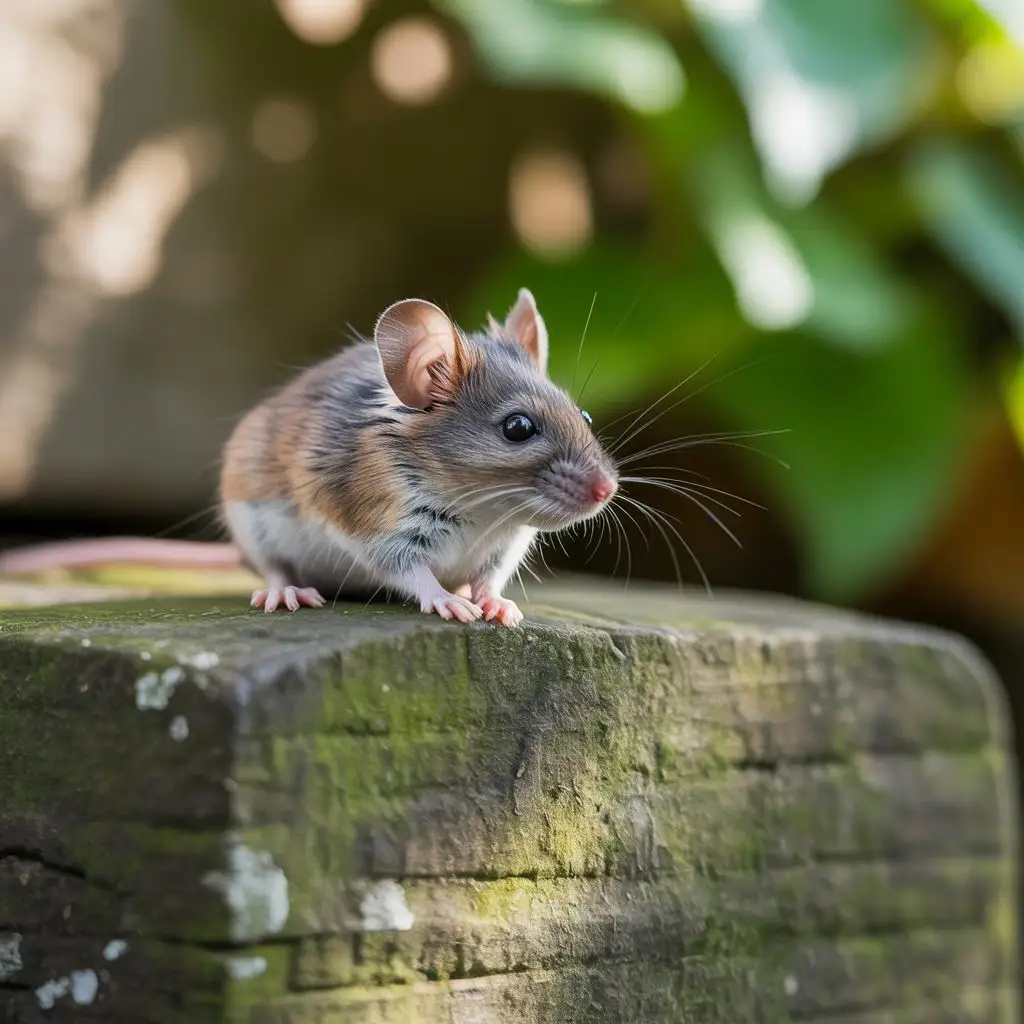
Mice come indoors for one reason above all: food. And a surprising amount of what a Tucson household stores — in the pantry, and especially in the garage — is effectively an open invitation. Storing food properly is one of the simplest, cheapest ways to make your home less attractive to mice and rats alike.
The principle: deny access, deny scent
Mice find food by smell and access it by gnawing. Cardboard boxes, paper bags, and thin plastic packaging offer no resistance — a mouse chews straight through. Proper storage does two things at once: it physically blocks access, and it contains the scent that draws mice to the spot in the first place. Both matter.
In the kitchen and pantry
- Decant dry goods into sealed containers — glass, metal, or hard, thick plastic with tight lids. Flour, rice, cereal, pasta, grains, sugar and pet treats all belong in containers, not their original packaging.
- Do not rely on cardboard or bags. A cereal box or a bag of rice is a snack, not a barrier.
- Clean up crumbs and spills promptly, wipe counters, and do not leave food out overnight.
- Store fruit sensibly and deal with overripe produce, which draws rodents and insects.
In the garage — the big one
The garage is where Tucson households lose this battle, because it is where the bulk, low-priority items live: pet food, bird seed, and grass seed, usually in the original bag on the floor. Those three are among the strongest rodent attractants in any home, and a bag on the garage floor is the easiest possible target.
- Store pet food and bird seed in sealed metal or heavy-duty plastic bins with tight lids — never the original bag.
- Keep bins off the floor on shelving where possible.
- Do not stockpile more than you need — less bulk, less attractant.
- Sweep up spilled seed and kibble immediately.
Because the garage is also the number-one rodent entry point, fixing food storage there pairs naturally with sealing the door — see keeping rats out of the garage.
Storage is prevention, not a cure
Good food storage lowers your home’s appeal and keeps a cleared home clear, but if you already have mice, storage alone will not evict them — you still need trapping and sealing. Think of it as removing the reason they came, alongside closing the door they came through. See how to get rid of mice.
Quick answers
What food storage attracts mice the most?
Pet food, bird seed and grass seed stored in original bags in the garage are the biggest culprits. Sealed metal or hard-plastic bins remove the draw.
Can mice really chew through plastic containers?
They chew thin plastic and bags easily. Use hard, thick containers, glass or metal with tight lids — those they cannot get into.
Will storing food properly get rid of mice I already have?
It removes a key attractant but will not evict an established population on its own. Pair it with trapping and sealing the entry points.
Doing everything right and still seeing mice? Book a free inspection and we will find how they are getting in.
Rather stop them before they start?
Our rodent proofing and prevention plans are built for Sonoran Desert homes. See what rodent control costs in Tucson for real price ranges, or book a free inspection: species, every entry point and the scope in writing before anyone quotes you a number.