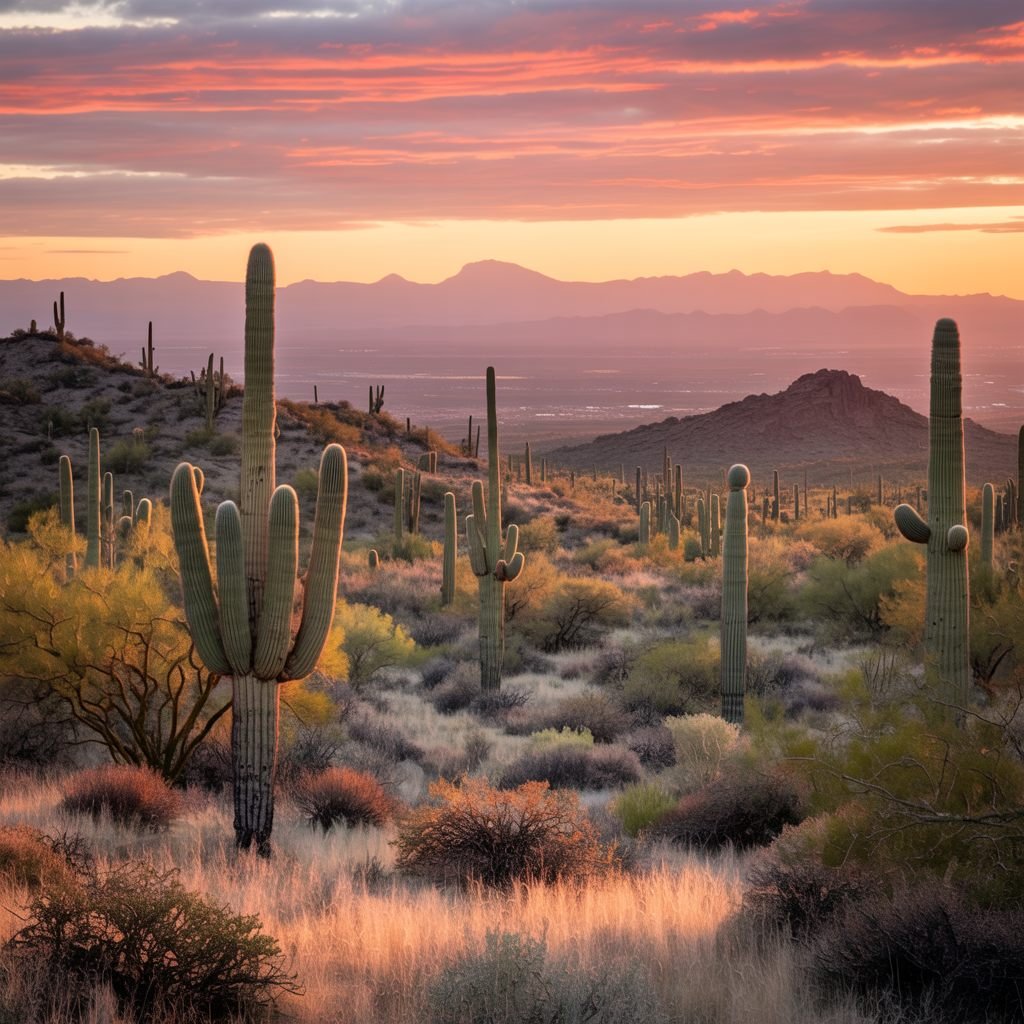
Vail sits southeast of Tucson in genuinely open country, and the rodent picture reflects it. This is pack rat territory more than anywhere else we work, and the first sign for most Vail homeowners is a nest under a hood rather than a noise in the attic.
What makes 85641 different
Open desert on every side
Lots here are frequently large and surrounded by undeveloped desert rather than other houses. There is no buffer. The native population is immediately adjacent, permanently, and a new house on a cleared lot is simply a new shelter option in existing territory.
New construction on raw desert
A lot of Vail housing is recent, built on previously undisturbed ground. Clearing a lot does not remove the animals — it removes their cover and gives them a reason to investigate the new structure. Newly built homes here frequently get activity in the first year.
Acreage and outbuildings
Detached garages, workshops, well houses, storage containers, barns. As in Tanque Verde, the problem is usually in the structure that gets opened least.
Stored vehicles and equipment
This is the defining Vail issue. Second vehicles, work trucks, trailers, RVs, boats, tractors and ATVs, parked on gravel with desert scrub nearby. All of them enclosed, warm and undisturbed.
The vehicle problem specifically
An engine bay after a drive is warm, dark and enclosed, and your own surroundings supply the nesting material. Once inside, the constant gnawing that every rodent must do lands on wiring looms, vacuum hoses and sound insulation — repairs run from modest to well past a thousand dollars because tracing a fault through a modern harness is labour-intensive.
What actually works in Vail:
- A light under the hood or beneath the vehicle overnight. Pack rats avoid lit ground because it exposes them to owls and coyotes. This is the cheapest effective measure available and it outperforms most products sold for the purpose.
- Move vehicles regularly. A vehicle that never moves gets settled into.
- Clean the bay properly after any nest. Scent marking recruits the next animal even after every twig is gone.
- Park on gravel or concrete, away from scrub and stored material.
- Check RVs and trailers monthly — see our guide on rodents in RVs and travel trailers.
On insurance: comprehensive coverage commonly treats animal damage as a covered peril; manufacturer warranty generally does not. Photograph the nest before you clean it and ask the shop to name rodent damage on the invoice. See rodent damage and insurance.
What we usually find
- Multiple middens — under equipment, in woodpiles, against outbuilding walls, in the base of cholla and prickly pear
- Nests in stored vehicles, frequently more than one on a property
- Unscreened vents on well houses and pump enclosures
- Gaps in outbuilding eaves and roll-up door seals
- Mice in garages entering under worn door seals
- Kissing bug complaints where middens sit close to the house
Snakes, and why we do not reach into things
Worth saying for a rural area. Middens shelter rattlesnakes — the nest structure is protection, and the resident rodents are food. Scorpions and black widows are routine occupants too.
This is a large part of why we treat midden removal as protected work rather than yard tidying, and why the honest advice for a Vail homeowner is not to pull apart a debris pile to see what is in it. See midden removal safety.
Practical advice for 85641
- Keep a wide clear zone around the house and around where you park — open ground is the cheapest deterrent there is
- Store materials off the ground and away from structures
- Light your parking area or at least the engine bays
- Check outbuildings monthly, not annually
- Screen every vent on every structure, including the ones you rarely think about
- Avoid rodenticide — this is owl, hawk and bobcat country, and they are doing free work for you
Well houses and pump enclosures
Worth singling out, because they are consistently the most neglected structure on a Vail property and among the most attractive to rodents.
A well house is small, enclosed, sheltered, usually contains a water source, and gets opened perhaps twice a year. That combination is close to ideal. Pump and pressure-tank enclosures are the same. We routinely find established populations in them on properties where the main house is completely clear.
Sealing one is quick and cheap — vent screening, a door sweep and closing the conduit penetrations is usually the whole job. It is one of the highest-value items on an acreage property and almost nobody thinks to do it.
What it costs out here
Vail pricing is driven by how much there is to walk rather than by house size. A single-structure property on a large lot may cost less than a compact suburban home with a complex tile roof. A property with a house, detached garage, workshop, well house, two stored vehicles and an RV is a longer job because every one of those needs assessing.
Tell us the structure and vehicle count when you book. See pricing for the ranges.
New-build owners in Vail, take particular note: the belief that a recently finished house cannot have rodents delays more calls here than anywhere. Building on cleared desert displaces the existing population toward the new structure, and first-year activity is common. Check the garage seal and the AC line set penetration regardless of how new the house is.
Book a free inspection and let us know how many structures and vehicles are on the property so we can allow proper time to walk it.
Want it confirmed properly?
A free inspection identifies the species, every entry point and the scope of work — with photographs, in writing, before anyone quotes a figure.
Explore this section
Tucson Areas
Rodent pressure is not evenly distributed across Tucson. Housing stock, elevation, vegetation and proximity to…
Catalina Foothills
Large lots, desert washes and mature tile roofs. The Foothills get both species at once, which is why partial …
Tanque Verde
Wash corridors, acreage and outbuildings. Tanque Verde properties have more structures than the average lot, a…
Oro Valley
Newer construction against open desert. Oro Valley homes are usually well built and still get pack rats, becau…

Sam Hughes
Mature citrus, historic construction and a canopy that connects half the neighbourhood. Sam Hughes is roof rat…
East Tucson
The broadest mix in the metro — 1960s block, 1980s tile and newer infill, all in one area. Which problem you h…