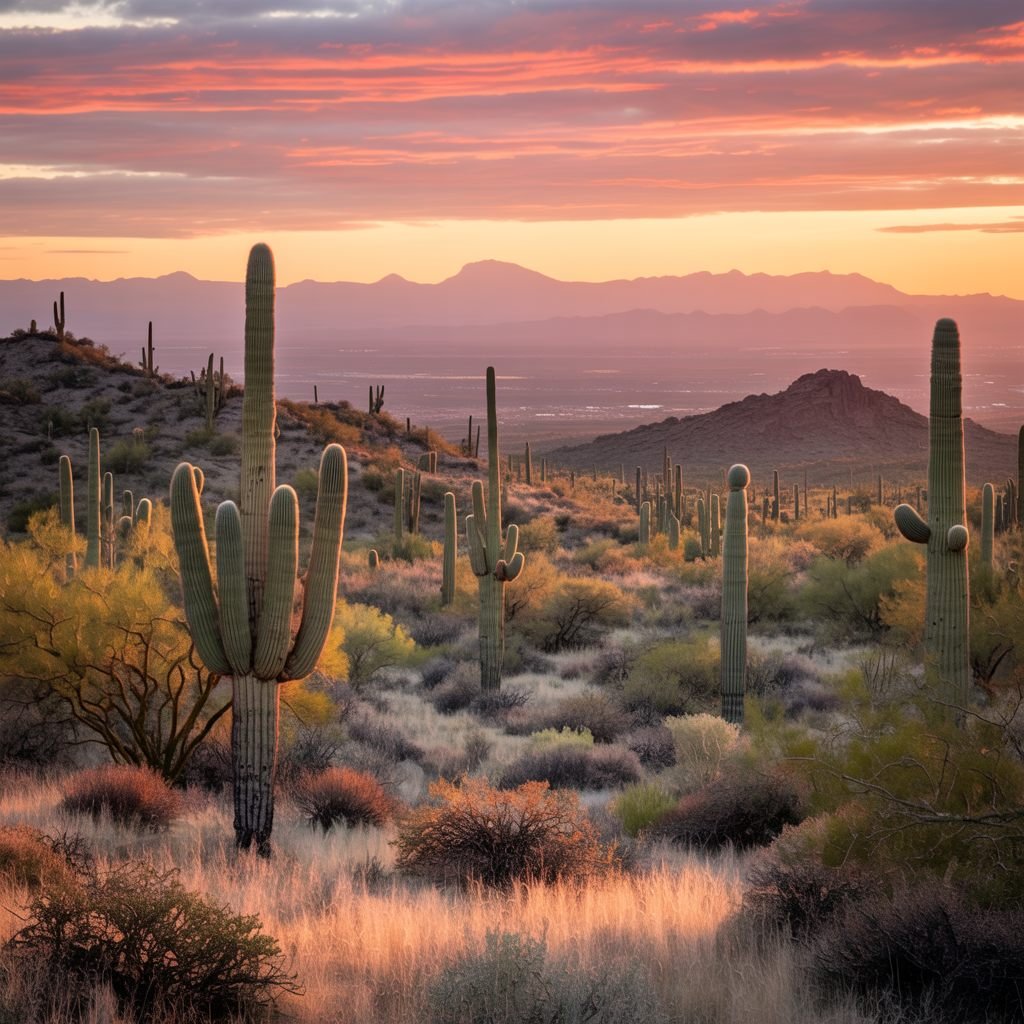
Tanque Verde sits at the eastern edge of the metro against genuine open desert, and the properties reflect it — larger parcels, horse property, barns, tack rooms, feed storage, workshops and detached garages.
That combination changes the job. On a standard suburban lot there is one structure to inspect. Here there are frequently five, and the problem is almost always in the one nobody opens regularly.
What makes 85749 different
The wash system
Tanque Verde Wash and its tributaries run through the area and act as wildlife corridors. Pack rat pressure alongside them is continuous, and monsoon flooding produces sharp displacement events — animals pushed out of flooded burrows and wash-side middens move to the nearest dry elevated shelter, which is your barn, tack room or garage.
Feed and grain
Horse property means feed, and feed is the single strongest rodent attractant on any property. Sacked grain, hay storage, supplement bins and spilled feed sustain populations that would not otherwise persist at that density.
Multiple outbuildings
Barns, tack rooms, hay barns, workshops, well houses and equipment sheds. Structures that are opened weekly rather than daily are where populations establish without anyone noticing for months.
Equipment and vehicles that sit
Trailers, tractors, stock trailers, second vehicles and RVs. All of them are enclosed, warm and undisturbed, and all of them get nested in.
What we usually find
- Middens in and under woodpiles, hay stacks, equipment and against outbuilding walls
- Mice in feed rooms, usually with a chewed sack and a nest behind it
- Nests in stored trailers and tractors — chewed wiring is common and expensive
- Open eave and gable gaps in barns and outbuildings, which are rarely built to the same envelope standard as a house
- Failed vent screens on well houses and pump enclosures
- Roof rats in the main house where mature landscaping bridges the roofline
The barn and tack room problem
Outbuildings need a different approach from a house, because you cannot practically seal a barn to residential standards and you would not want to — ventilation matters.
What works instead is a combination of hardening the storage rather than the building, and reducing the resource:
- Feed in sealed metal containers — galvanised bins with tight lids. Sacked feed on the floor is an open invitation.
- Hay stacked off the ground on pallets, with a gap behind it so you can see and sweep
- Spillage cleared daily rather than weekly
- Tack room sealed properly even if the barn is not — this is a small enclosed space and it is worth doing to residential standard
- Vent screening on any enclosed structure
- Clutter removed from around building perimeters
Horses, dogs and secondary poisoning
This is worth stating plainly for Tanque Verde specifically. Anticoagulant rodenticides move up the food chain, and this area has owls, hawks, coyotes, bobcats and a lot of working and pet dogs.
We do not use interior poison, and on acreage properties we would actively discourage it. Barn owls in particular are highly effective natural rodent control on horse property, and they are the primary casualty of rodenticide use. An owl box on a property this size is a genuinely worthwhile addition — a resident pair takes a meaningful number of rodents a year at no cost.
Monsoon displacement
The wash system makes this area more responsive to storms than most of the metro. After a significant cell, walk the property once the ground dries and look for fresh debris accumulations against walls, under equipment and in outbuildings. A midden found in week one is a small job. Found six months later, it is not.
See monsoon season and rodent activity.
What treatment involves
Inspections here take longer because there is more to walk. We cover the main house, every outbuilding, stored vehicles and equipment, feed storage, and the perimeter — then produce one plan covering all of it rather than treating the house and leaving the barn as the reservoir.
The feed room is usually the source
If we had to guess before arriving at a Tanque Verde property, we would guess the feed room — and we would be right more often than not.
The reason is that it concentrates everything a rodent needs in one enclosed space: high-calorie food, shelter, and usually a water source nearby. A population established in a feed room then radiates outward into the tack room, the barn structure, stored vehicles and eventually the house.
That is why treating the house alone fails so consistently here. The house is downstream. Clearing it while the feed room continues to support a breeding population simply resets the clock, and the homeowner reasonably concludes the treatment did not work.
What it costs on acreage
Pricing here is driven by structure count more than square footage. Each outbuilding needs inspecting, and the ones worth sealing properly — tack rooms, feed rooms, well houses — are small and quick. Barns and open equipment shelters are generally not sealed at all; the approach there is hardening the storage and reducing the resource, which costs little.
Tell us how many structures you have when you book so the estimate reflects the actual scope. See pricing.
Book a free inspection and tell us how many structures are on the property so we can allow the time.
Want it confirmed properly?
A free inspection identifies the species, every entry point and the scope of work — with photographs, in writing, before anyone quotes a figure.
Explore this section
Tucson Areas
Rodent pressure is not evenly distributed across Tucson. Housing stock, elevation, vegetation and proximity to…
Catalina Foothills
Large lots, desert washes and mature tile roofs. The Foothills get both species at once, which is why partial …
Oro Valley
Newer construction against open desert. Oro Valley homes are usually well built and still get pack rats, becau…
Vail
Open desert on every side, acreage lots and a lot of stored equipment. Vail is pack rat country, and the vehic…
Sam Hughes
Mature citrus, historic construction and a canopy that connects half the neighbourhood. Sam Hughes is roof rat…
East Tucson
The broadest mix in the metro — 1960s block, 1980s tile and newer infill, all in one area. Which problem you h…