Finding rodent droppings in the pantry, garage or attic is unpleasant, but how you clean them up matters as much as cleaning them at all. Done wrong, cleanup can put you more at risk than the droppings sitting there did. Here is the safe method, and the single most important rule.
The one rule: never dry-sweep or vacuum
This is the point everything else hangs on. Do not sweep or vacuum dry rodent droppings. Dried droppings and urine can carry pathogens, and sweeping, brushing or vacuuming sends contaminated particles into the air where you breathe them — which is how some rodent-borne illnesses, including hantavirus, are transmitted. A regular vacuum makes it worse by blowing fine particles out its exhaust. See our guide on hantavirus in Arizona.
The safe method, step by step
- Ventilate first. Open the space up and let it air out before you start.
- Wear protection. Gloves, and for anything more than a few droppings, a properly fitted mask.
- Wet it down. Spray the droppings and the surrounding area thoroughly with a disinfectant or a bleach solution and let it soak — never handle it dry.
- Wipe up while wet. Use paper towels, then bag the waste and dispose of it.
- Disinfect again and wash your hands thoroughly afterward.
Bigger jobs: attics and heavy contamination
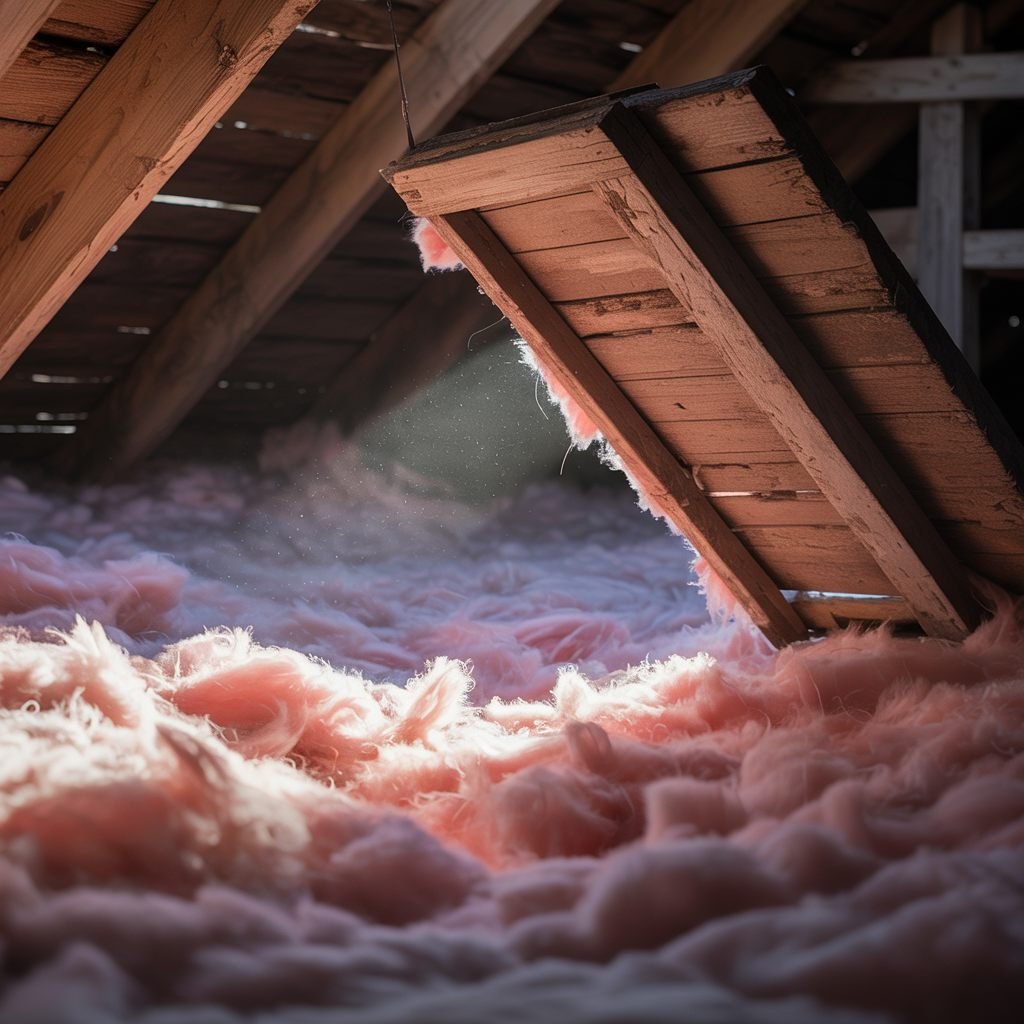
A few droppings on a shelf is a household job. Heavy accumulation in an attic, contaminated insulation, or a nest area is a different scale — the volume of disturbed material is exactly what raises the airborne risk. For attic-scale contamination, this is worth handing to professionals with the right protection and equipment. It is part of our clean-up and decontamination service, which pairs naturally with removal and sealing. See attic insulation damage.
Do not forget the cause
Cleaning droppings without sealing the entry points and clearing the animals just means you will be cleaning again. Droppings are evidence of an active or recent infestation — treat the cleanup and the cause together, or the cycle repeats. See signs of rodents to gauge how active the problem is.
Pack rat middens are a special case
A midden is a concentrated mass of droppings, urine and debris — and often a kissing bug habitat. The same no-dry-sweeping rule applies, only more so. See midden removal safety before tackling one.
Quick answers
Why can't I just vacuum droppings?
Vacuuming aerosolises dried particles and the exhaust spreads them. Always wet the area with disinfectant and wipe it up instead.
Do I need a mask for a few droppings?
Gloves are essential; a mask is strongly advised for anything beyond a handful, and essential for attic or nest-scale cleanup where more material is disturbed.
How long do droppings stay hazardous?
Dried droppings and urine remain a risk, which is why the wet-and-wipe method matters regardless of how old they look. When in doubt, treat it as active.
Facing more than a few droppings — or an attic full? Book a free inspection and we will handle removal, safe cleanup and sealing together.
Not sure what you are dealing with?
A free inspection identifies the species, every entry point and the scope of work — in writing, before anyone quotes you a number.