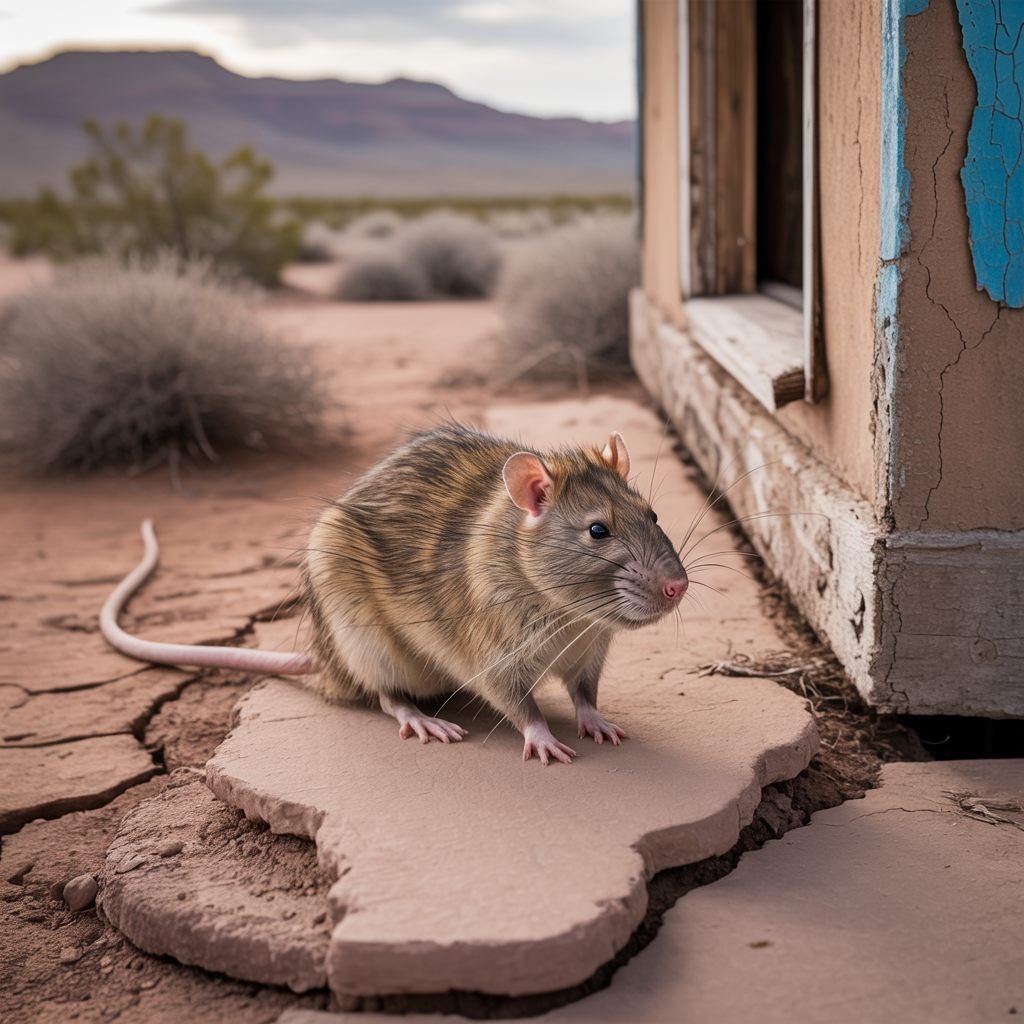
Tucson sits inside the Sonoran Desert, which means the rodent mix here is genuinely different from anywhere else in the country. Two of the species you are likely to encounter are introduced animals that spread with human settlement. Two are natives that were here long before the city was. They behave differently, they nest differently, and they need different treatment.
Getting the species right is not academic. It is the single decision that determines whether your money is spent on the roofline or the yard, on traps or on midden removal, on exclusion at twelve feet or exclusion at ground level. Treating a pack rat problem with a roof rat plan is one of the most common and most expensive mistakes we correct.
The four species that matter
| Species | Native? | Where it lives | Main damage |
|---|---|---|---|
| Roof rat Rattus rattus | Introduced | Attics, rooflines, tree canopy | Insulation, ductwork, wiring |
| Pack rat Neotoma spp. | Native | Yards, woodpiles, cactus, engine bays | Vehicle wiring, middens, health risk |
| House mouse Mus musculus | Introduced | Kitchens, garages, wall voids | Food contamination, gnawing |
| Kangaroo rat Dipodomys spp. | Native | Open desert, yards, washes | Rarely any — mostly a yard sighting |
Start with the tail
If you have seen the animal, the tail resolves most of the confusion in about two seconds.
- Bare, scaly, longer than the body — roof rat. Also a superb climber, so if it was above your head, this is almost certainly it.
- Furry, sometimes bushy — pack rat. Softer fur, larger rounded ears, generally at ground level.
- Small animal, body under three inches — house mouse. Roughly a third the size of either rat.
- Long tail with a tufted tip, hops on back legs — kangaroo rat. Unmistakable once you have seen it move; it does not run, it bounds.
If you have not seen the animal, the nest is the next best evidence, and it is just as decisive. A messy pile of sticks, cactus pads and collected debris is a pack rat midden. A tight ball of shredded insulation in an attic corner is a roof rat nest. Fine shredded paper behind a kitchen appliance is a house mouse.
Why the natives are treated differently
Pack rats and kangaroo rats are native Sonoran Desert wildlife. That changes the conversation in two ways.
First, method. Native species sit closer to wildlife work than pest work, and humane capture-and-release is a genuine option where it is appropriate. We will talk you through the choice rather than defaulting to the harshest available approach.
Second, honesty about whether you have a problem at all. Kangaroo rats almost never cause structural damage. They do not chew into attics, they do not nest in wall voids, and they do not need to drink water — they extract what they need metabolically from seeds, which is one of the more remarkable pieces of desert physiology going. If you have kangaroo rats, you usually have a yard observation, not an infestation. We will tell you that rather than sell you a treatment.
What every rodent has in common
All rodents share one anatomical feature that explains most of the damage they cause: a single pair of continuously growing upper and lower incisors. Those teeth never stop growing, which means the animal must gnaw constantly to wear them down. The order name Rodentia comes from the Latin rodere, "to gnaw."
This is why rodents chew through wiring insulation, duct wrap, plastic pipe, timber and stored food containers. It is not aggression and it is not random — it is a biological requirement that does not switch off. It is also why "wait and see" rarely works out: the gnawing continues for as long as the animal is present.
Which species is in which part of Tucson?
Pressure is not evenly distributed across the city.
- Foothills and properties near washes — heavy pack rat activity. Washes are natural corridors and the adjacent scrub is ideal midden habitat.
- Central, midtown and Sam Hughes — roof rat territory. Mature citrus and palm canopy touching rooflines gives them a route in that never touches the ground.
- Newer subdivisions on the edges — a mix, with pack rats moving in from adjacent open desert as lots are developed.
- Anywhere with a garage — house mice, which are the most evenly distributed of the three pests.
Can you have more than one at once?
Frequently, and it catches people out. A foothills property with pack rats in the yard and vehicles can easily also have roof rats in the attic and mice in the garage. Those are three separate treatment plans on one address.
This is the strongest argument for an inspection rather than a guess. A plan built around one species leaves the others operating, and the homeowner concludes the treatment failed when in fact it only ever addressed a third of the problem.
Work through the species pages
Each page below covers identification, behaviour, the specific damage that species causes in Tucson, and what actually stops it:
- Pack rats (woodrats) — middens, vehicles, and the kissing bug connection
- Roof rats — attics, tile roofs and citrus canopy
- House mice — kitchens, garages and how fast they multiply
- Kangaroo rats — the native you probably do not need to treat
- Side-by-side comparison — if you are still not sure
If you would rather have someone confirm it in person, an inspection identifies the species, the entry points and the population scale in a single visit, and you get photographs of everything found before anyone quotes you a number.
Want it confirmed properly?
A free inspection identifies the species, every entry point and the scope of work — with photographs, in writing, before anyone quotes a figure.
Explore this section
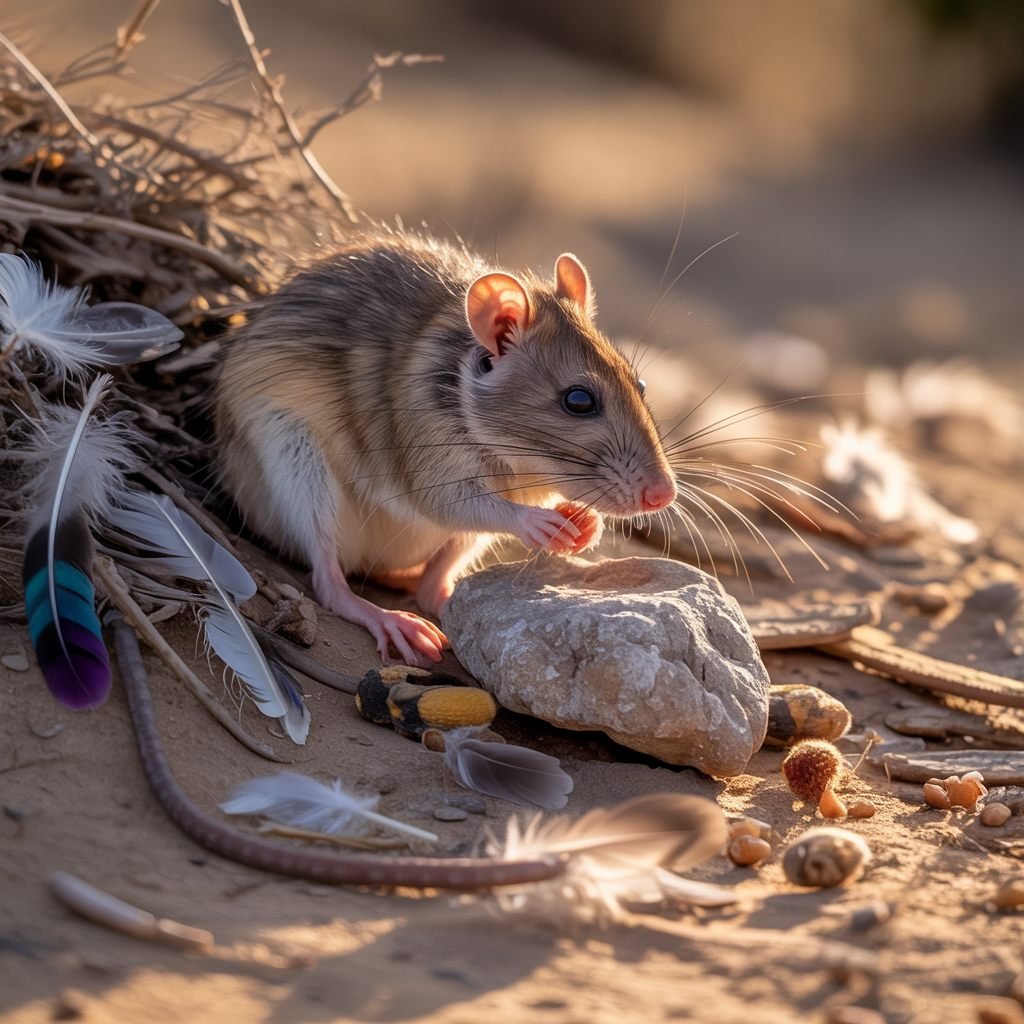
Pack Rats
Native, protected by nothing but common sense, and responsible for most of Tucson's chewed car wiring. Pack ra…
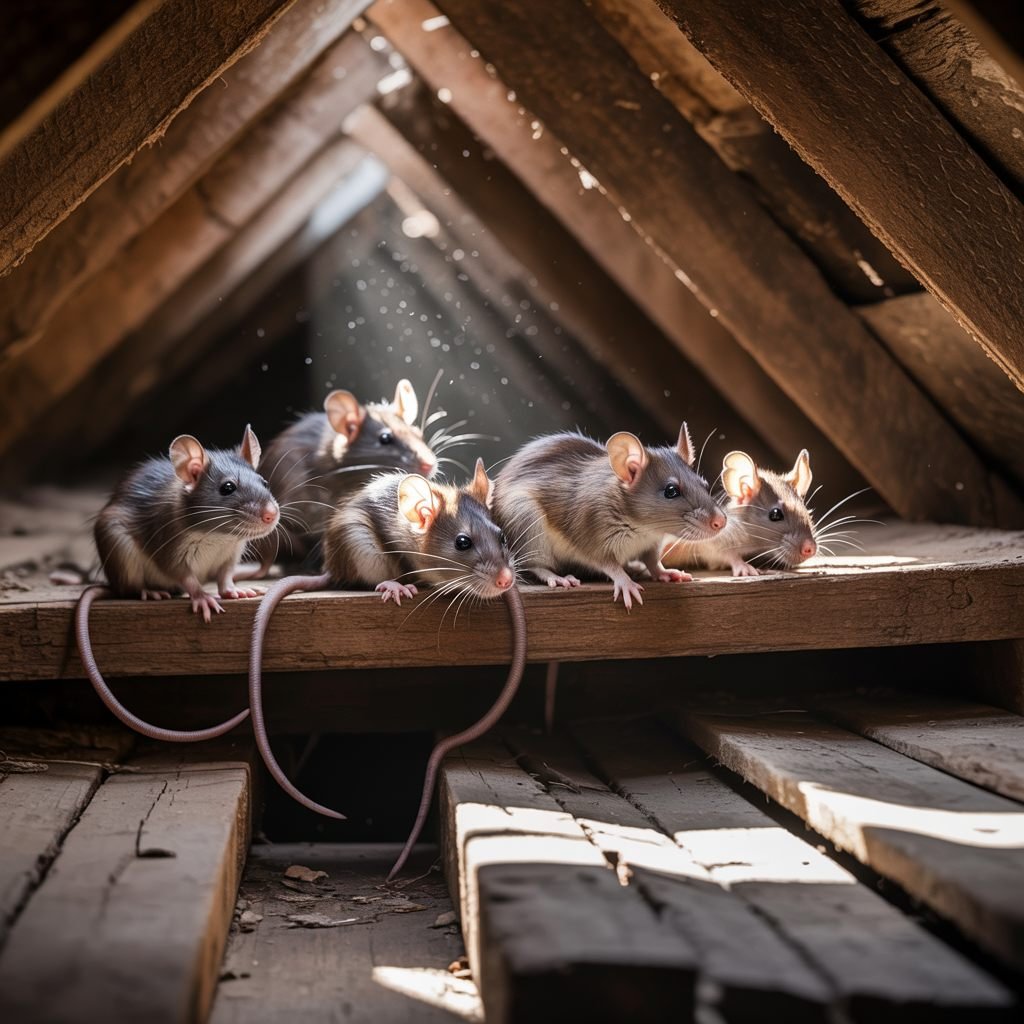
Roof Rats
The scratching in your attic is almost certainly this species. Roof rats travel above ground, enter at the roo…
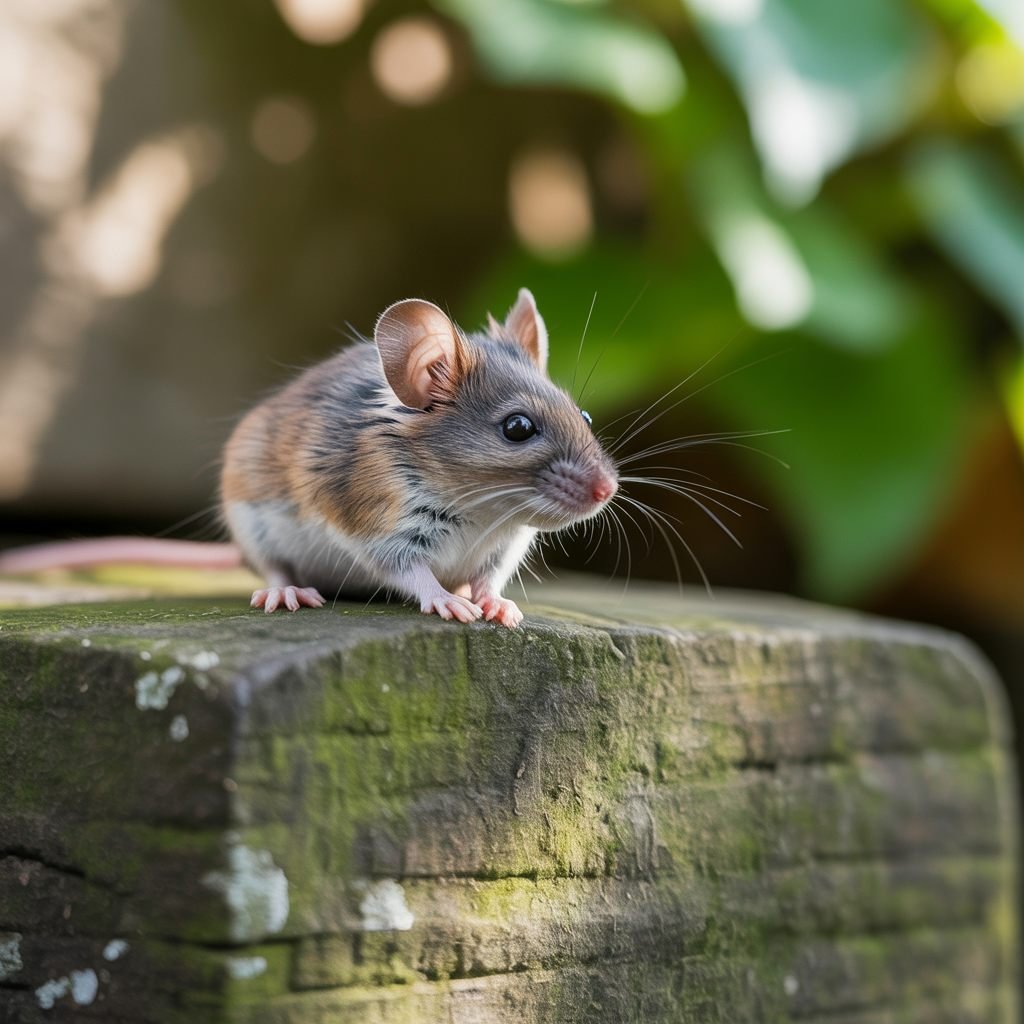
House Mice
The smallest of the three pests and the fastest to multiply. Caught in week one this is a manageable job; left…

Kangaroo Rats
One of the few pages on this site that mostly tells you not to spend money. Kangaroo rats are native, remarkab…

Compare Species
Three species, three treatment plans, and a great deal of wasted money when they get confused. This page settl…