
Commercial rodent control runs on the same principle as residential — seal the building, then clear it — but three things change: the entry points are different, the documentation requirements are real, and the cost of failure is not just insulation.
Who we work with
- Restaurants and food service — where a health inspection finding is the immediate risk
- Warehouses and distribution — large footprints, dock doors, palletised storage
- HOAs and multi-unit residential — shared walls, shared attics, and a shared problem
- Self-storage — long-vacant units and stored goods
- Offices, retail and medical — where the concern is often allergens and reputation
- Schools and childcare — where the allergen and hygiene standard is higher
Where commercial buildings actually fail
It is rarely the interior. On commercial sites the problem is almost always at the perimeter, and usually in one of these five places.
Roll-up and dock doors
The single most common commercial entry in Tucson. Bottom seals wear, corner gaps open up, and doors stand open during deliveries. A gap you can slide a pencil under is a doorway.
Dumpster and waste placement
A dumpster against the building wall is a feeding station with an adjacent entry point. Distance from the structure, lid discipline, drainage and cleaning schedule all matter more than anything happening inside.
Utility and conduit penetrations
Commercial buildings have far more of them than houses, they accumulate over years of tenant fit-outs, and almost none are sealed properly after the fact.
Roof access and equipment curbs
Rooftop HVAC units, curbs, conduit runs and drain penetrations. Flat commercial roofs give rodents an unobstructed working surface, and this is checked far less often than it should be.
Shared voids
In multi-unit and strip retail, a continuous ceiling void or shared attic means one tenant's problem is everyone's. Treating a single unit while the void stays open is why these situations recur.
Documentation
For food service in particular, what you can show an inspector matters as much as what has been done. We provide:
- A written service log with dates, findings and actions
- A site map with device locations numbered and recorded
- Inspection reports with photographs of findings
- Corrective action recommendations in writing, with what has and has not been completed
- Product and material records where applicable
Kept on site in a single file, so it can be produced on request rather than assembled in a hurry.
Service structure
Commercial work is scheduled rather than reactive, because the pressure is continuous. A typical structure is a thorough initial inspection and exclusion phase, then scheduled monitoring visits at a frequency matched to the risk level — monthly for most food service, quarterly for lower-risk offices and retail.
Each visit checks devices, records findings, inspects the perimeter for new openings, and updates the log. New penetrations appear constantly on commercial sites through ordinary maintenance and tenant work, which is exactly why one-off exclusion is not sufficient here.
Out-of-hours work
Restaurants cannot have technicians in the kitchen at service time, and warehouses cannot always stop operations. We schedule around trading hours where the work requires it.
HOAs and multi-unit
These need a different conversation, because the problem crosses ownership boundaries. Treating individual units while a shared attic or ceiling void remains open produces exactly the pattern boards complain about: repeated call-outs, unit by unit, indefinitely.
We will assess at building level and give the board a scoped plan for the shared structure, so the decision can be made once rather than argued about per unit.
Where poison fits
We do not use interior poison in homes. On commercial sites, exterior tamper-resistant bait stations around the perimeter have a legitimate role as part of a monitored programme, and we will discuss it where it is appropriate. Interior use remains a last resort for the same reason it always is — an animal dying inside a wall or duct is worse than the problem it solved.
Getting a quote
Commercial pricing depends on square footage, the number of buildings, dock and door count, service frequency and documentation requirements. It is not something we can sensibly estimate over the phone.
Food service specifics
Restaurants carry the highest consequence and the tightest constraints, so a few points specific to them.
The kitchen is rarely the entry. It is where evidence appears because that is where food and staff are, but the opening is almost always at the back door, the dock, or a utility penetration in a storage area. Treating the kitchen while the back door gap stays open produces exactly the repeat findings that frustrate operators.
Back door discipline matters more than any product. A propped-open back door during a delivery or a smoke break is a wide-open entry, and no amount of monitoring compensates for it. Self-closing hardware and a fitted sweep do more than a monthly service visit.
Dry storage layout is assessable. Stock on the floor and against walls prevents inspection and provides harbourage. An 18-inch clear perimeter on shelving makes evidence visible early and is free to implement.
Documentation is not optional. If an inspector asks what you have done and you cannot produce a log, the work you did counts for nothing. Keep the file on site, not at head office.
Warehouses and distribution
Large footprints change the emphasis. Perimeter length means exclusion is the dominant cost, dock doors are the dominant entry, and palletised storage creates harbourage that makes interior monitoring difficult. Racking layout and a maintained clear aisle against exterior walls do a great deal of the work.
Common questions
What documentation do you provide for health inspections?
A full service log with dates, findings and actions, a site map of device locations, inspection reports and corrective-action recommendations — kept on site and ready to show an inspector. For Tucson food businesses, that record is as important as the treatment itself.
Can you service around our business hours?
Yes — early mornings, late nights or closed days, so treatment never touches prep times or is seen by customers. We keep both the problem and the service discreet.
How often does a commercial property need service?
It depends on the building and the pressure, but food and hospitality businesses generally need regular scheduled visits with documentation each time, plus rapid response between visits when something appears.
Request a commercial quote and we will walk the site, produce a scoped proposal with the exclusion work itemised, and set out the service schedule and what the documentation package includes.
Want it confirmed properly?
A free inspection identifies the species, every entry point and the scope of work — with photographs, in writing, before anyone quotes a figure.
Explore this section

Services
Six services, one principle: seal the building first, then clear what is inside. Everything we do is built aro…

Rodent Exclusion
The only service on this site that actually ends the problem rather than managing it. Everything else is clean…
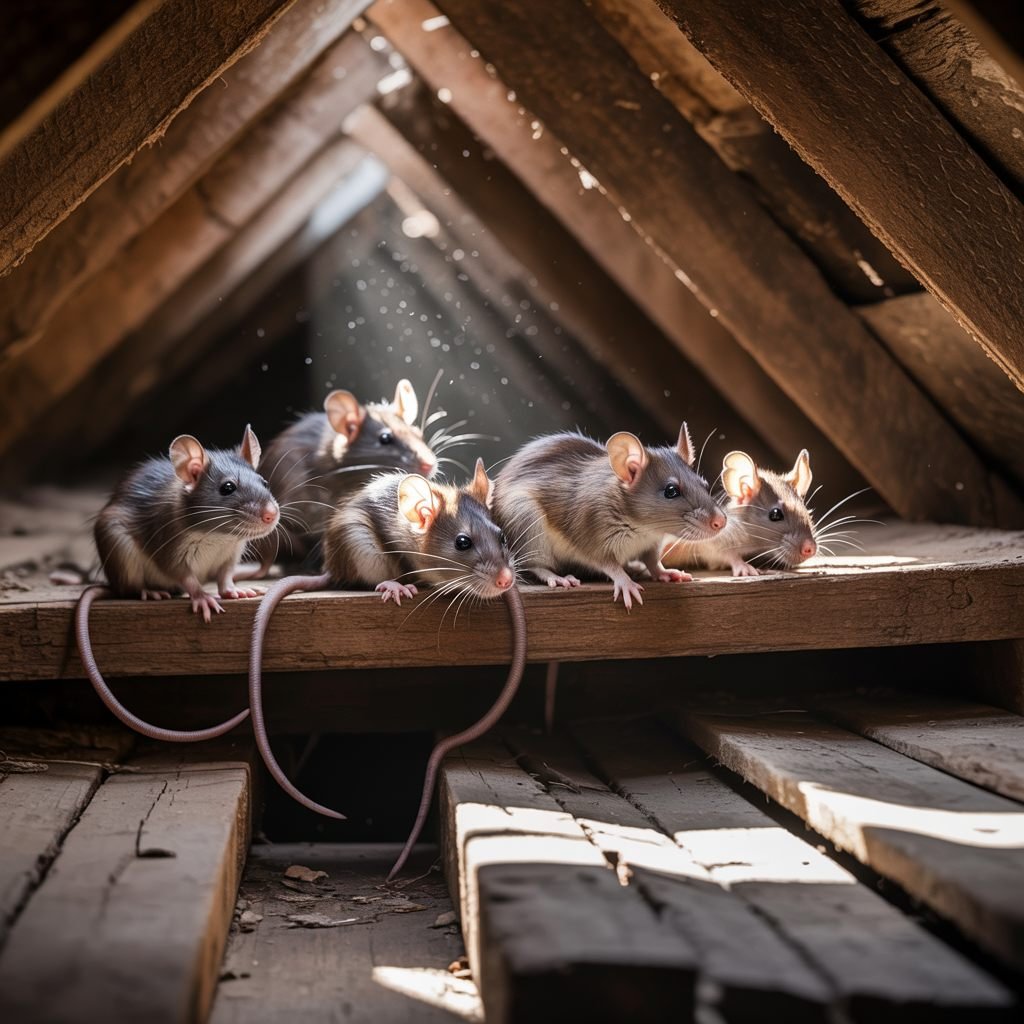
Trapping & Removal
Trapping is the cleanup, not the cure. Done properly it clears a population in days; done the usual way it run…

Humane Control
An honest page. Humane methods work well for some species and situations and poorly for others, and we would r…

Prevention
The cheapest rodent work you will ever buy, because you are paying for sealing alone — not sealing plus remova…
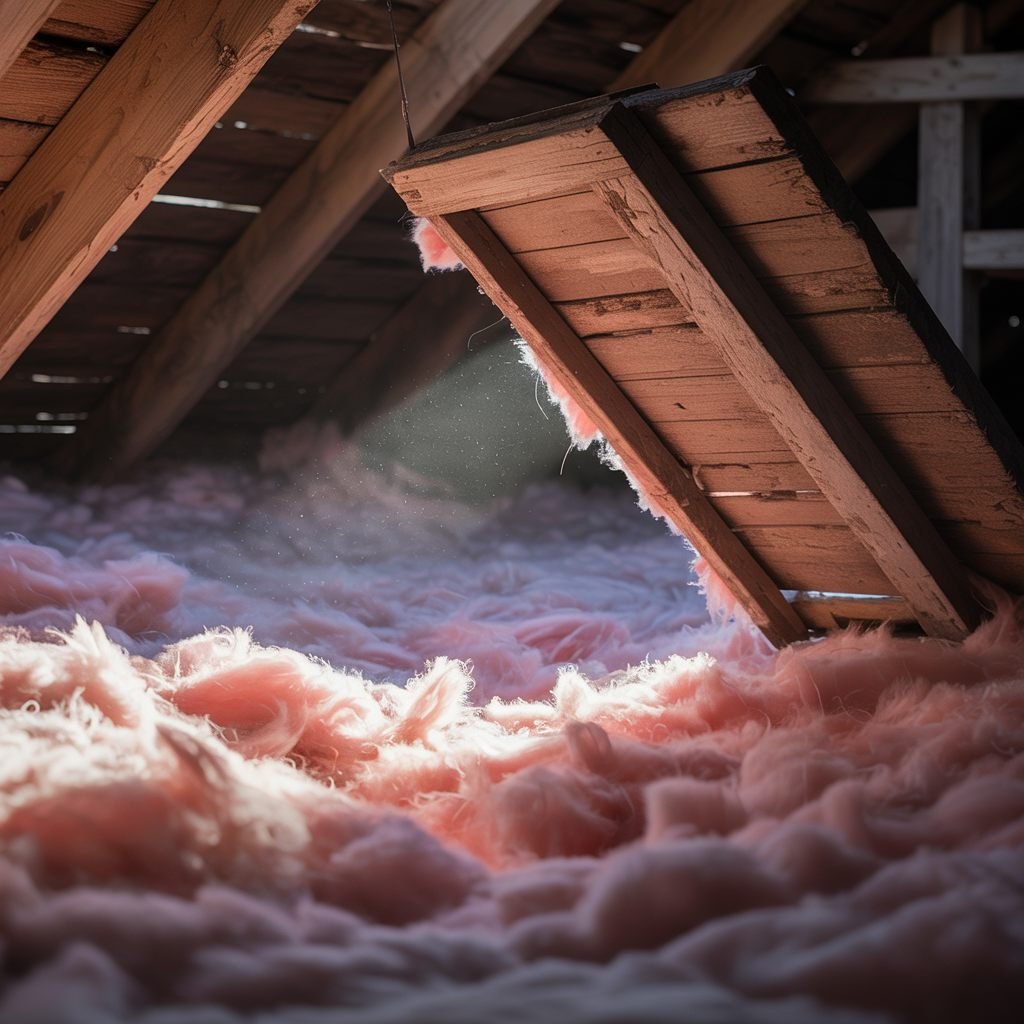
Attic Cleanup
The work that should not be done unprotected. Contaminated insulation cannot be cleaned — it has to come out, …