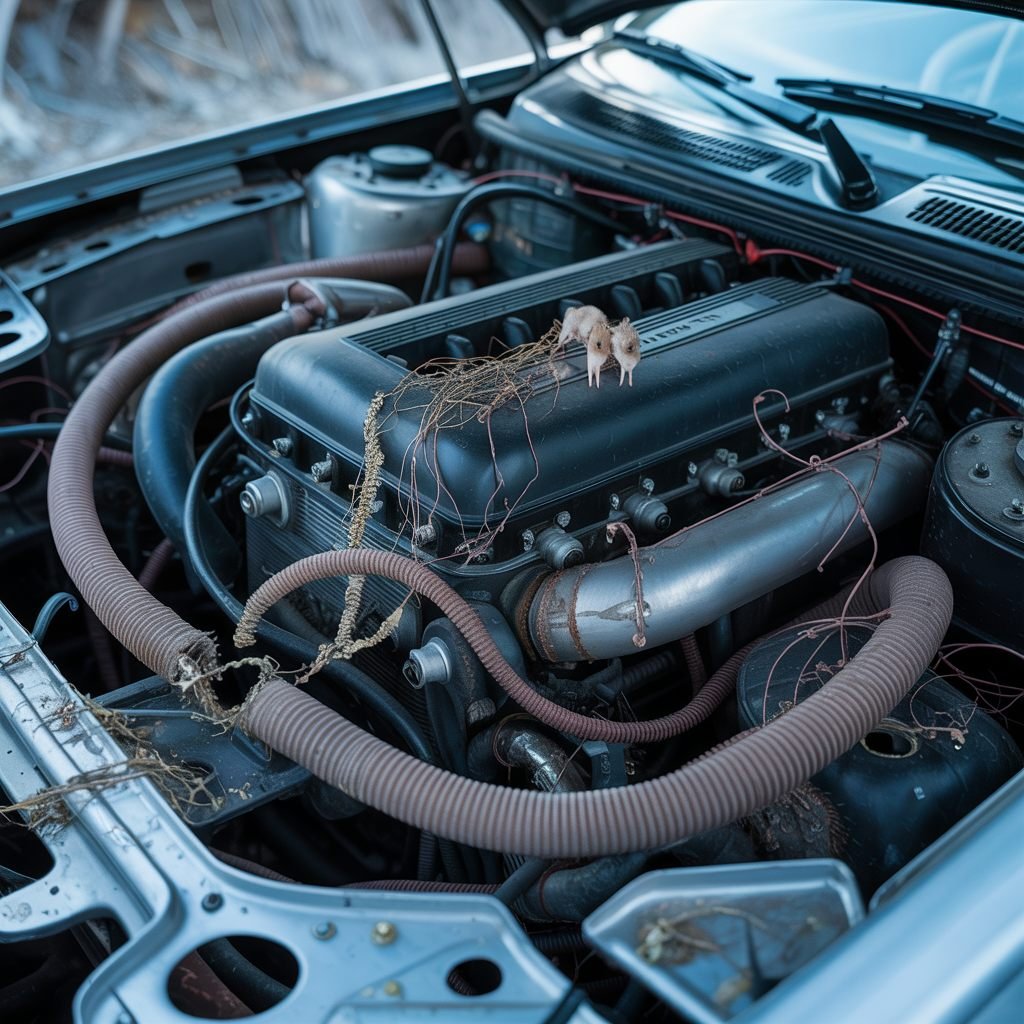
This catches Tucson drivers completely off guard, because it has nothing to do with whether your house has a rodent problem. Pack rats target parked vehicles specifically, and local repair shops treat engine-bay damage as a routine category rather than an unusual one.
Warning signs before the breakdown
Most people discover this when a warning light comes on. These signs come earlier:
- Twigs, leaves or palm fibre on the engine block, in the air intake, or sitting on top of the battery
- Droppings on the battery tray, the strut towers or the plastic engine cover — blunt-ended and around half an inch for pack rats
- A smell of urine or something burning when the engine warms up
- Chewed insulation under the hood — the sound-deadening pad on the underside of the bonnet is often hit first
- Cabin air filter full of seeds, nesting material or droppings
- Intermittent electrical faults — a sensor light that comes and goes is a classic partial-chew symptom
- Pet food or seed caches in odd cavities, which is pack rat hoarding behaviour
Open the hood on anything that has been parked more than a few days. Thirty seconds a week is the cheapest insurance available.
Why the engine bay
An engine bay an hour after you park is warm, dark and enclosed on most sides. That is close to a pack rat's ideal shelter. It also comes with building material supplied by your own landscaping — usually gathered within about twenty feet of where you park.
The damage itself comes from the gnawing that every rodent must do to wear down continuously growing incisors. Wiring looms, vacuum hoses and foam insulation are all the right hardness.
What it costs
Parts are often inexpensive; labour is not. Tracing a fault through a modern harness, reaching loom sections buried behind other components and clearing fault codes afterwards all take time. A single chewed sensor wire may be modest. A harness worked over across several nights can run well past a thousand dollars.
There is also a diagnostic tail — intermittent faults appearing weeks later that trace back to partial damage missed on the first repair.
Is it covered?
Comprehensive auto coverage commonly treats animal damage as a covered peril, and rodent damage frequently falls under it, subject to your deductible. Manufacturer warranty generally does not — it is usually classed as environmental rather than a defect. Liability-only policies do not cover it at all.
Verify with your own insurer rather than taking a web page's word for it. And critically: photograph the nest in place before you clean anything, photograph every chewed component, and ask the shop to state rodent damage as the cause on the invoice. A repair order that just says "harness replacement" makes a claim harder than it needs to be. More detail: rodent damage and insurance.
The four things that actually work
1. Park in a closed garage
If available, this ends it. Everything below is for when it is not.
2. Light the engine bay overnight
A mechanic's drop light under the hood or on the ground beneath the engine is genuinely effective and cheap. Pack rats avoid lit open space because light exposes them to owls, coyotes and bobcats. This outperforms most products sold for the purpose.
3. Clean the bay properly after any nest
The step people skip, and the reason it repeats. Rodents navigate by scent. A bay that held a nest still smells like a viable site to the next animal even after every twig is gone. Removing the nest without neutralising the scent is why homeowners tell us they cleared it twice in a month.
4. Fix the yard
The car is the symptom; the staging habitat is the cause. Woodpiles, stacked pots, cactus debris and general clutter within about thirty feet of where you park is where the midden is. See rodents in the yard.
What does not work
Peppermint oil, dryer sheets and mothballs are popular and unreliable — they may deter for a few nights while the scent is strong, which is exactly long enough to conclude they worked. Ultrasonic devices perform especially poorly in an engine bay, where metal surfaces block and reflect the signal chaotically; see do ultrasonic repellers work.
Poison is a bad idea near a vehicle for a specific reason: an animal that dies inside your dashboard or ventilation ducting creates a problem considerably worse and harder to reach than the one you started with.
Capsaicin-treated wire tape has mixed results and is a reasonable supplementary layer on a vehicle already hit — but it does not address why the animal is there.
If it has happened twice
Two or more incidents is not bad luck. It means there is an established midden on the property that has not been located. Middens sit in predictable places and are easy to walk past for years.
Other vehicles at risk
It is not only daily-driven cars. Anything that sits is a candidate, and in Tucson the higher-value targets are often the ones parked longest — a second car, a classic under a cover, a work truck used weekly, a boat, a motorcycle, and especially an RV or travel trailer. Our guide on rodents in RVs covers stored vehicles specifically.
The cover, incidentally, makes it worse rather than better. It adds darkness and shelter without keeping anything out, and it hides the early signs you would otherwise spot.
A free inspection covers vehicles and outbuildings as well as the house, and finding the midden is what ends the cycle.
Want it confirmed properly?
A free inspection identifies the species, every entry point and the scope of work — with photographs, in writing, before anyone quotes a figure.
Explore this section
Signs of Rodents
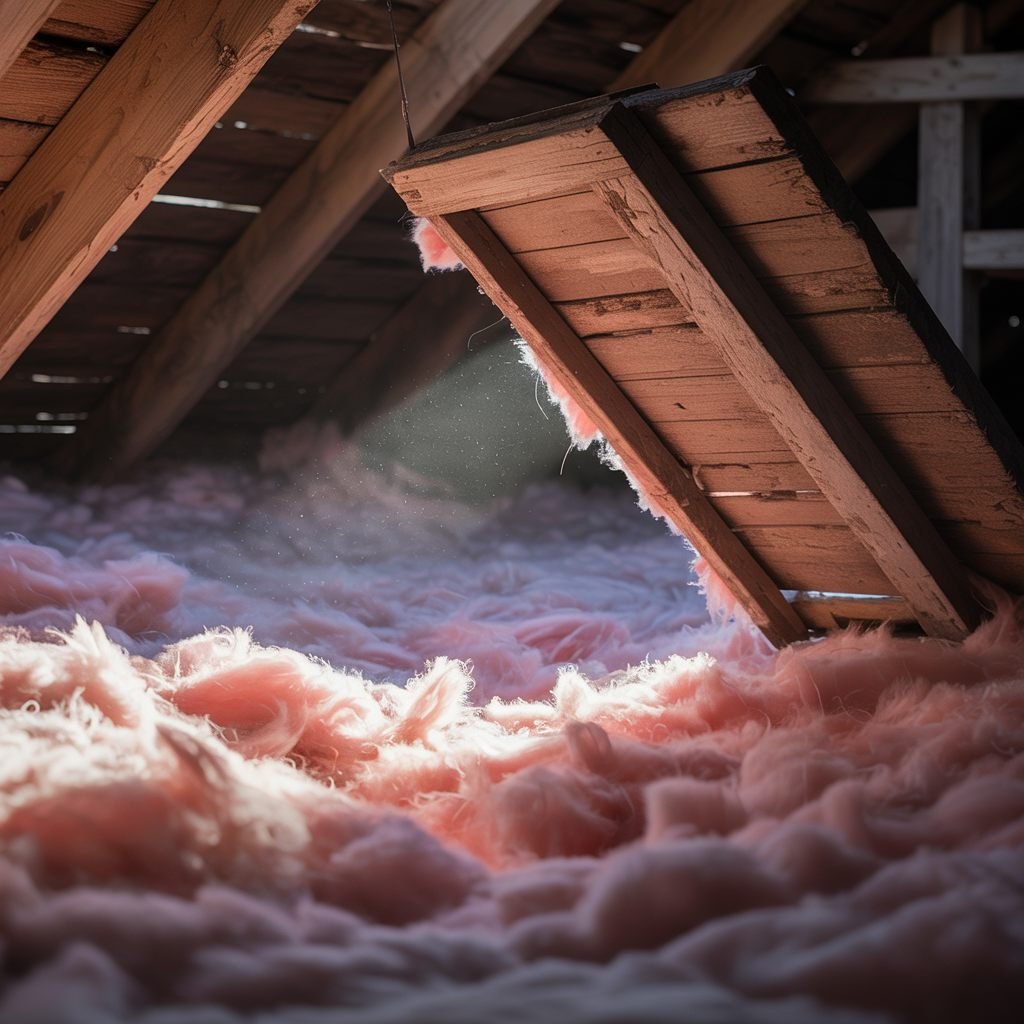
Most homeowners call at week three. The ones who call at week one pay less and lose less insulation. Here is w…
In the Attic
The attic is where the expensive damage happens — insulation, ductwork and wiring. Here is how to inspect it s…
In the Yard
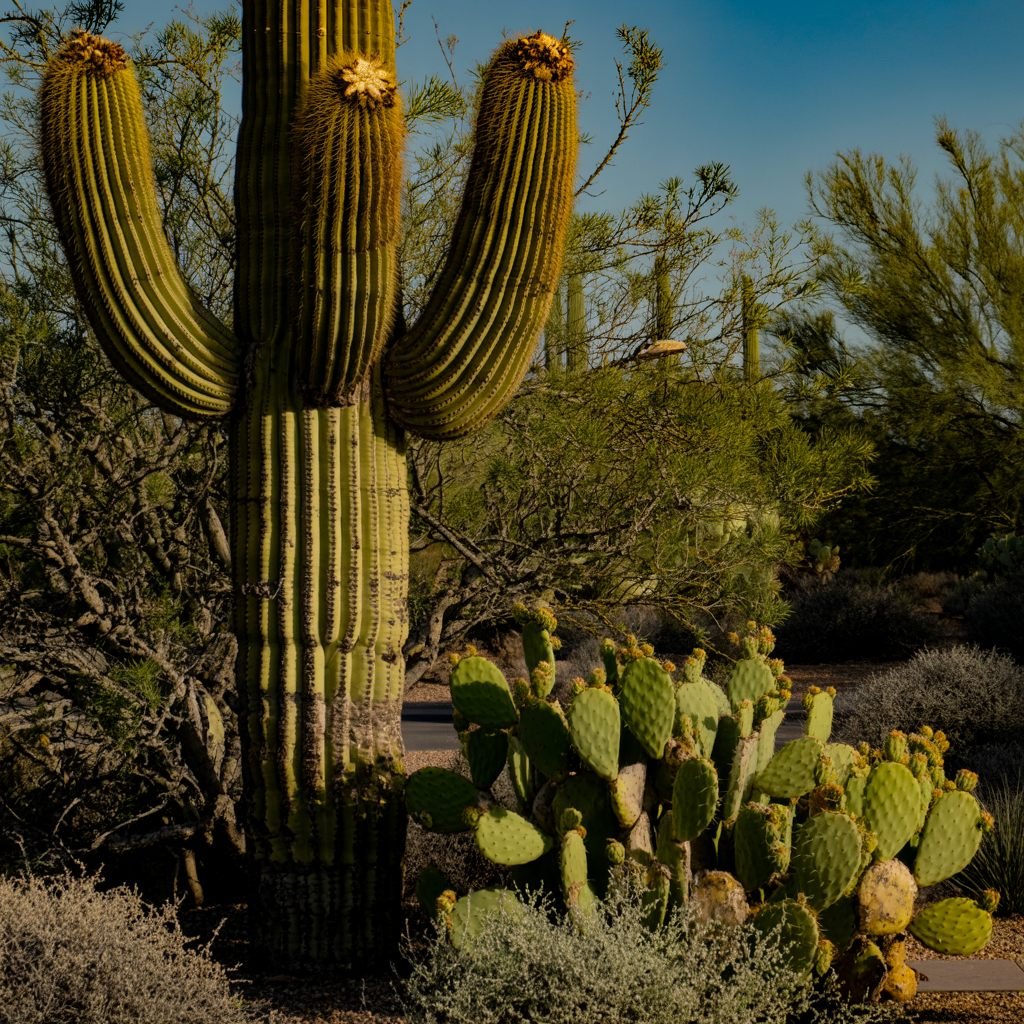
Every indoor rodent problem started outside. The yard is where you get a season of warning — if you know what …
Droppings ID
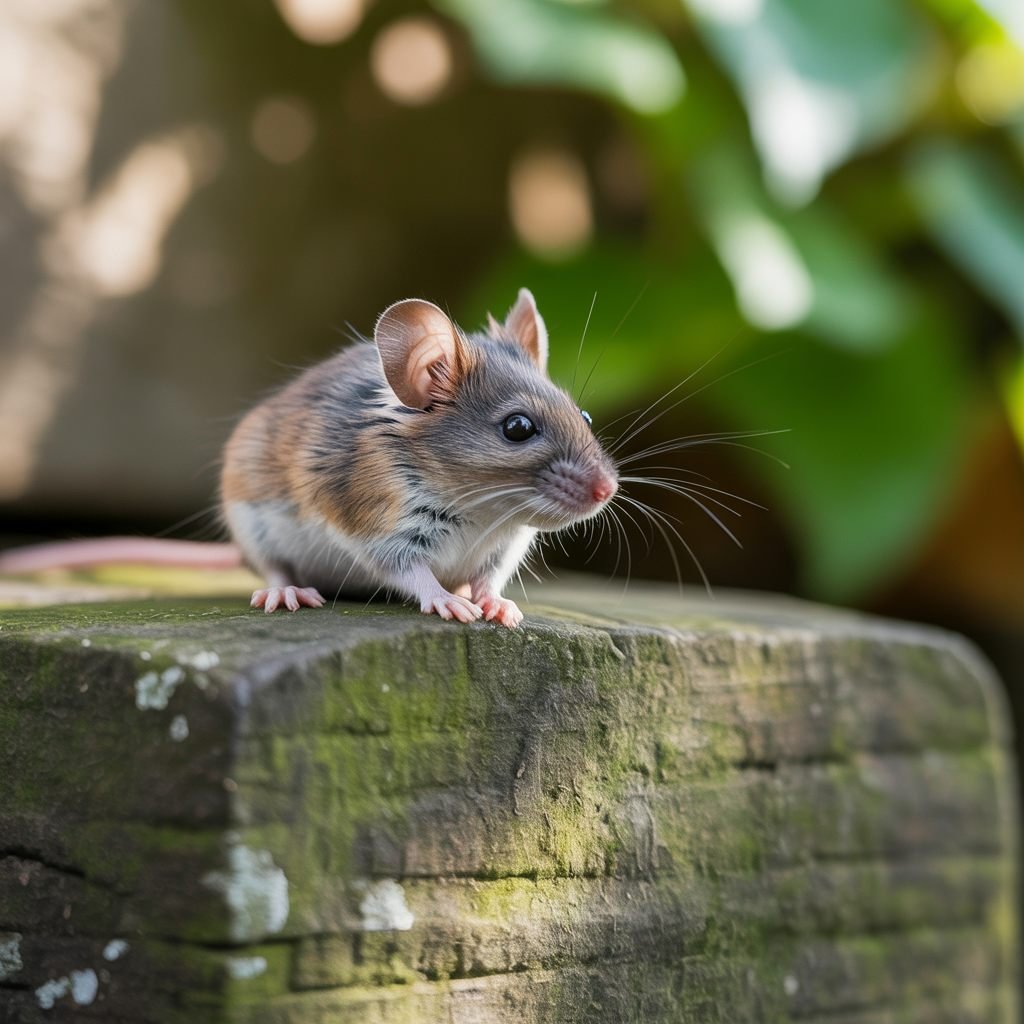
Droppings tell you the species, roughly how many, where they travel and whether the problem is active. Here is…