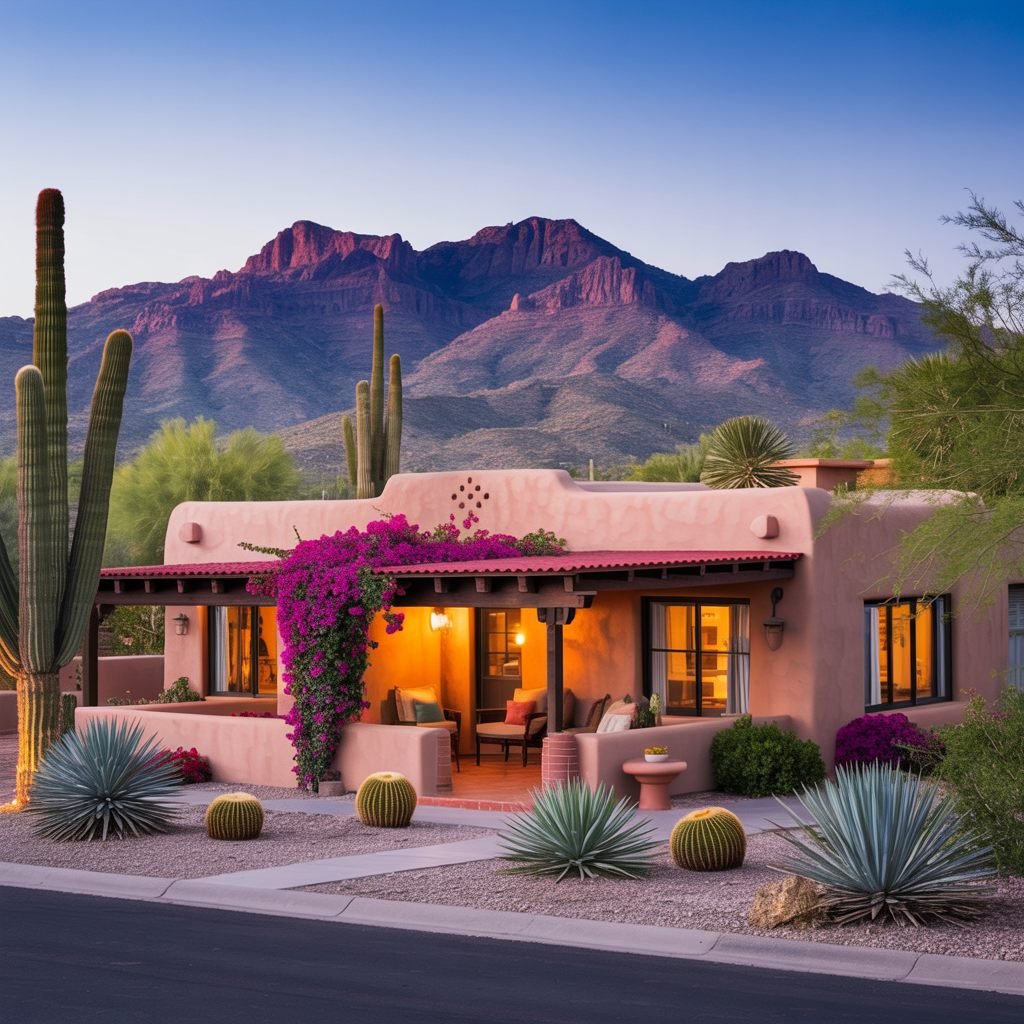
Exclusion is sealing the building envelope so rodents physically cannot get back in. It is the only measure that produces a permanent result, and it is the step most cheap quotes quietly leave out.
It is also the step that requires knowing how Tucson buildings are actually constructed, which is where national franchise scripts fall down.
What we seal, and why each one matters
Tile roof terminations
Barrel and S-tile leave open voids at every termination. The eave and rake ends should be closed with bird stops or eave risers; on older roofs these are frequently missing, broken, or were never fitted. Ridge and hip closures crack out with thermal cycling. This is the number-one roof rat entry in Tucson and it is invisible from the ground.
Weep holes — the one that must not be sealed solid
Weep holes at the base of block walls and in masonry veneer exist to let moisture drain and the wall cavity breathe. They are also a mouse-sized doorway.
The instinct is to fill them with mortar or foam. Do not. Blocking weep holes traps moisture inside the wall assembly, and in a monsoon climate that leads to efflorescence, spalling block, rusting ties and interior damp — a building-envelope problem that costs considerably more than the rodents did.
The correct fix is a stainless or copper weep-hole cover, or tightly fitted stainless mesh that blocks passage while preserving drainage and airflow. Plastic covers embrittle under Tucson UV within a few years and then fail.
Vents
Attic, gable, soffit, dormer, dryer and roof vents all need intact screening. Screens rust, tear, detach at one corner, or were fitted with mesh coarse enough for a juvenile rat. A screen that looks present from ten feet is often failed at an edge.
Utility penetrations
Water, gas, electrical, AC line sets, cable and plumbing entries. The foam used at construction has almost always failed. These get mesh plus mortar or appropriate sealant.
Block-wall caps and cores
Hollow CMU cores can run continuously if ungrouted. A cracked or missing wall cap turns them into a vertical shaft from grade into the roof assembly, entirely out of sight.
Doors and garage
Garage door bottom seal and both corner gaps — one of the most common house mouse entries in Tucson. Plus door sweeps on every exterior door including the garage-to-house door.
Adobe and burnt adobe
Erosion pockets at the base and around openings, and viga penetrations where the seal around roof beams has shrunk and cracked. Repairs here must be compatible with the substrate — Portland-heavy cement against traditional adobe is harder than the surrounding material and accelerates erosion. See rodent-proofing adobe and block homes.
Materials — what holds and what fails
What we use: stainless steel mesh and hardware cloth wherever ventilation must be preserved; copper mesh packed into irregular voids, which does not rust and cannot be chewed through; mortar and masonry patch over mesh for structural gaps; sheet metal at high-traffic gnaw points such as door corners.
What fails: expanding foam on its own — rodents chew through it in a few nights, and it degrades under UV; steel wool, which rusts, stains stucco and disintegrates; plastic vent covers, which embrittle; and caulk alone, which has no mechanical resistance.
Foam is acceptable only as a filler behind mesh. On its own it is a cosmetic repair that buys a fortnight.
The order of work
Two sequencing rules that matter.
Top down. Seal the roofline and upper penetrations before ground level. Closing ground access first on a home with roof rats solves nothing — they were coming from above.
Confirm the population is out first. Sealing an occupied structure produces the call we get about a week later, and it is not a pleasant one. Exclusion and removal are coordinated deliberately, usually with one-way devices at the main entry until the space is clear.
What you get
- Photographs of every opening found, before any work is quoted
- An itemised written scope — each sealed point listed individually
- Canopy clearance recommendations with specific distances
- A written warranty on the exclusion work, terms stated before you approve
- A record you can check against if a problem ever recurs, so you know immediately whether it is a new opening or a failure of previous work
Timing
The best window in Tucson is April to June — populations are at their annual low, you are sealing ahead of monsoon displacement and the autumn wave, and attics are still workable. The same work in October costs more because you are also paying for a larger population and accumulated damage.
How long exclusion lasts
Properly executed exclusion using stainless mesh, copper mesh and mortar is a structural repair rather than a treatment. It does not wear out on a schedule the way a chemical application does.
What changes it is the building, not the materials. New penetrations get created — a solar installation, an HVAC replacement, a satellite mount, a landscaper running low-voltage lighting. Storm damage opens things up. Trees grow back into contact with the roofline over a few seasons.
That is why we hand you an itemised record of every point sealed. When something changes, you can tell immediately whether an entry is one of ours or something new, which is exactly what makes a warranty enforceable rather than rhetorical. See our guarantee.
What exclusion cannot fix
Being straight about the limits.
It does not reduce the population living around your property. If you back onto a wash in the Foothills or onto working farmland in Marana, the pressure against your building stays exactly as high — the difference is that the building no longer lets anything through.
It also does not protect vehicles. An engine bay cannot be sealed, which is why vehicle protection is a habitat and lighting question rather than an exclusion one.
And it does not remove animals already inside. Sealing an occupied structure is actively harmful, which is why exclusion and removal are sequenced together.
Common questions
What exactly is rodent exclusion?
Exclusion is the physical sealing of every way rodents get into a structure — tile-roof terminations, gable and roof vents, weep holes, garage door seals, and utility penetrations — using materials rodents cannot chew or push through. It is the core of durable rodent control, because it closes the routes rather than just removing the animals.
How long does exclusion last?
Done with the right materials and completely, it lasts years — a sealed gap stays sealed. Light maintenance, mainly keeping tree canopy and palms trimmed back from the roof, keeps it going indefinitely.
Do you seal weep holes shut?
No — we screen them with steel covers so they still drain. Sealing weep holes shut traps moisture in the wall and causes spalling; screening blocks rodents while keeping the wall healthy.
If you already have activity, seasonality is irrelevant — act now. See the best time of year to rodent-proof, or book a free inspection.
Want it confirmed properly?
A free inspection identifies the species, every entry point and the scope of work — with photographs, in writing, before anyone quotes a figure.
Explore this section

Services
Six services, one principle: seal the building first, then clear what is inside. Everything we do is built aro…
Trapping & Removal
Trapping is the cleanup, not the cure. Done properly it clears a population in days; done the usual way it run…

Humane Control
An honest page. Humane methods work well for some species and situations and poorly for others, and we would r…

Commercial
Same core process, scaled up — with the documentation a health inspector will actually ask for and a service s…
Prevention
The cheapest rodent work you will ever buy, because you are paying for sealing alone — not sealing plus remova…
Attic Cleanup
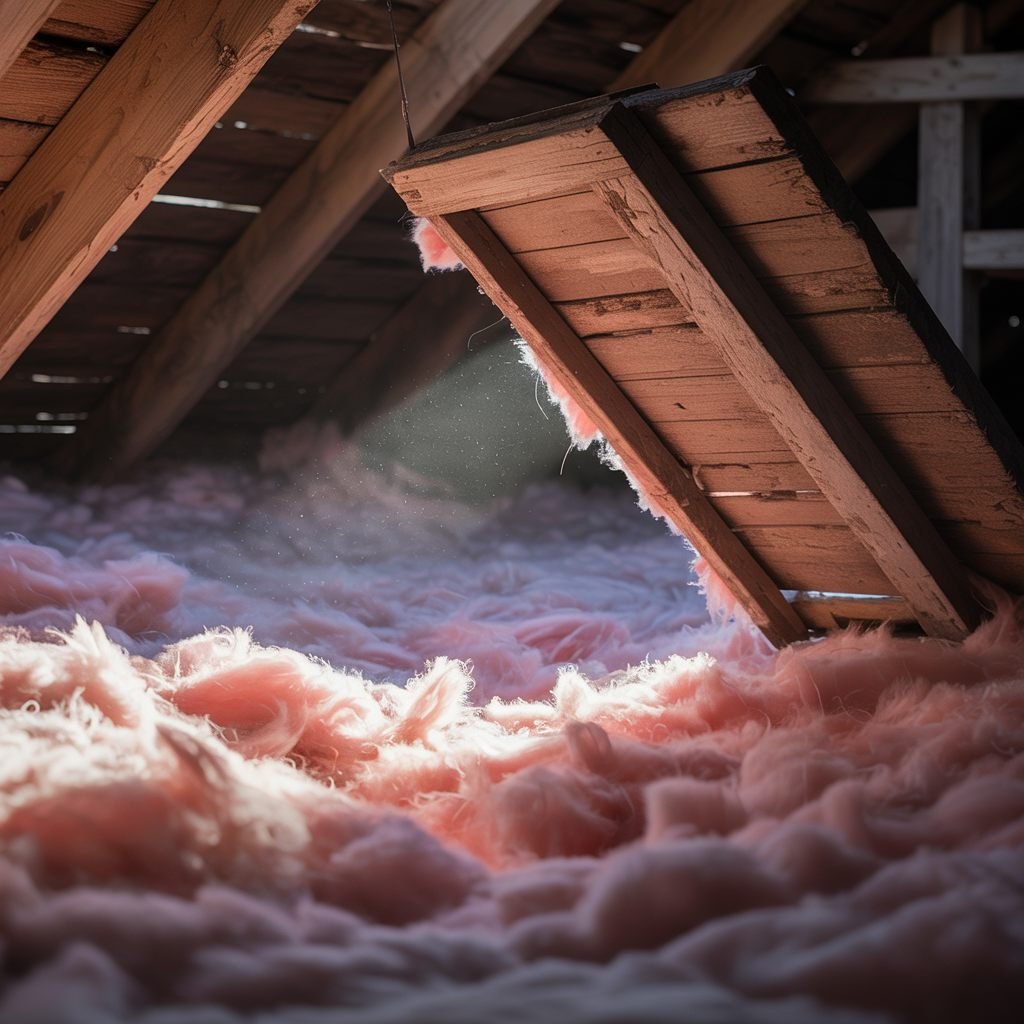
The work that should not be done unprotected. Contaminated insulation cannot be cleaned — it has to come out, …