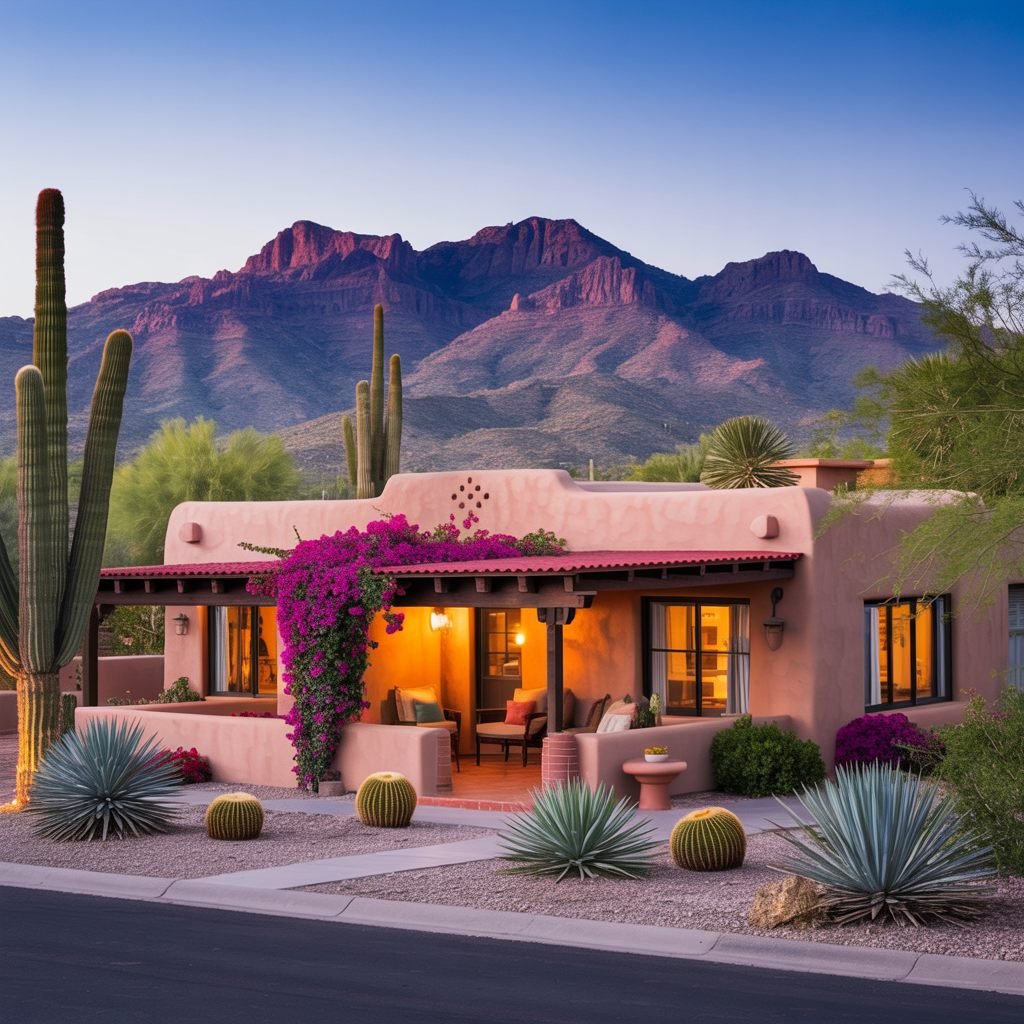
Rodent-proofing advice written for the rest of the country assumes wood-frame construction with a continuous sheathed envelope. A large share of Tucson housing stock is not that. Block, adobe and burnt-adobe homes have a different set of entry points, and some of them cannot simply be sealed shut.
Weep holes: the one you must not seal
Weep holes are the small openings at the base of block walls and in masonry veneer. They exist to let moisture drain and to let the wall cavity breathe. They are also a convenient mouse-sized doorway.
The instinct is to fill them with mortar or foam. Do not. Blocking weep holes traps moisture inside the wall assembly, and in a monsoon climate that leads to efflorescence, spalling block, rusting ties and interior damp. You will have traded a rodent problem for a building-envelope problem that costs considerably more.
The correct approach is a purpose-made stainless or copper weep-hole cover, or tightly fitted stainless mesh inserts that block passage while preserving airflow and drainage. Plastic covers become brittle under Tucson UV within a few years and then fail.
Block-wall cores and cap gaps
Hollow CMU cores can run continuously if they were not grouted. Where a wall meets a roof structure, or where a cap is cracked or missing, the cores become a vertical shaft rodents use to travel from grade into the roof assembly without ever being visible.
Inspect the wall cap along its full length. Cracked, loose or missing cap blocks are common and easily overlooked. Sealing at the cap is straightforward and high value.
Where adobe differs
Traditional adobe and burnt adobe present two specific issues:
- Erosion pockets. Weathering at the base and around openings creates cavities that enlarge over time. Rodents widen these — the gnawing behaviour means a soft substrate does not stay small.
- Viga and beam penetrations. Where roof beams pass through the wall, the seal around the timber shrinks and cracks with age and thermal movement. These sit high on the wall and are close to invisible from the ground.
Repairs here need to be compatible with the substrate. Portland-heavy cement mortar against traditional adobe is harder than the surrounding material and causes accelerated erosion at the joint. Use appropriate lime-based or mud-based repair materials, and treat that as a preservation decision, not just a pest one.
Materials that hold in this climate
What we use and why:
- Stainless steel mesh or hardware cloth for anything that must stay ventilated. Galvanised is acceptable in dry locations but corrodes at cut edges over time.
- Copper mesh packed into irregular voids before sealing. It does not rust and rodents will not chew through it.
- Mortar or appropriate masonry patch over mesh for structural gaps.
- Sheet metal at high-traffic gnaw points such as door corners and soft trim.
What fails: expanding foam alone (rodents chew straight through it — it is only acceptable as a filler behind mesh), steel wool (rusts, stains stucco, and disintegrates), and plastic vent covers (UV embrittlement).
The order that matters
Seal the roofline and upper penetrations before the lower ones. If you close ground-level access first on a home that has roof rats, you have not solved anything — they were coming in from above. Working top-down also means you are not trapping animals inside as you go, which is the other common sequencing mistake.
And before sealing anything on an occupied structure, confirm the population is out. A sealed home with rodents still inside produces the call we get about a week later, and it is not a pleasant one.
Not sure what you are dealing with?
A free inspection identifies the species, every entry point and the scope of work — in writing, before anyone quotes you a number.