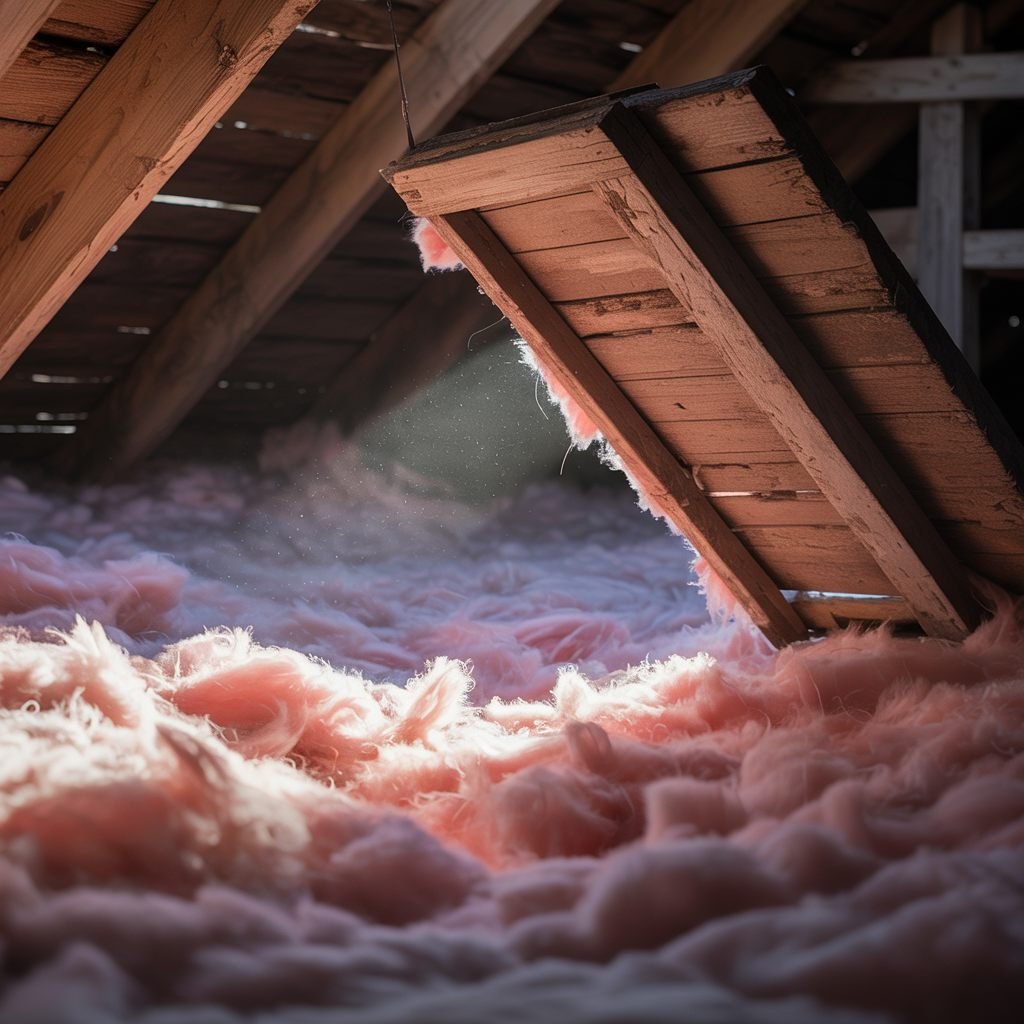
Once rodents have been in an attic for any length of time, the space contains urine-saturated insulation, droppings, nesting material and the allergens that come with them. Removing the animals does not remove any of that.
This is the service for what is left behind — and it is the one where doing it yourself carries real risk.
Why contaminated insulation cannot be cleaned
People ask this reasonably. The answer is that the contamination is not on the surface, it is in the material. Blown-in fibreglass and cellulose are porous by design — that is how they trap air and provide R-value — and urine soaks through them.
You cannot wash it, and you cannot disinfect the interior of a fibrous mass. Saturated material has to be removed and replaced. Material that is compressed but not contaminated can sometimes be topped up rather than replaced, and we will tell you which category yours is in rather than defaulting to full replacement.
Why this is not a DIY job
Three things are released at once when dried rodent material is disturbed.
Airborne allergens. Major urinary proteins on fine particles — recognised asthma and allergy triggers, and the most likely of the three to affect a household. See allergies and asthma.
Pathogens. Depending on the species involved, including arenaviruses from woodrats and — in outbuilding and rural settings with deer mice — hantavirus. Exposure is by inhaling aerosolised particles, which is precisely what dry removal produces. See diseases rodents carry in Arizona.
Ectoparasites. Fleas, mites and ticks left in nesting material, looking for a new host.
Add the physical conditions — a Tucson attic in summer, joist-walking, and low headroom — and this is a job with a genuine safety case for handing over.
Our process
- Assessment. Extent of contamination, species involved, condition of ductwork and wiring, and whether insulation needs full removal or topping up. Photographed and shown to you before quoting.
- Containment. Access sealed off from living space, negative air where the situation warrants it, so nothing migrates into the house during removal.
- PPE. Fitted respirators, full coverage, eye protection. Non-negotiable.
- Wetting down. Material is treated with disinfectant before disturbance. This one step does most of the work in preventing aerosolisation.
- Removal. Contaminated insulation, droppings and nesting material vacuumed or bagged at the point of removal — sealed, and taken off site. Never raked dry, never dropped through a hatch into the house.
- Disinfection. Exposed surfaces, joists and the ceiling plane treated.
- Deodorising. Scent marking neutralised — this matters more than it sounds, because residual scent advertises the space to the next animal.
- Repairs. Chewed duct wrap and breached flex duct addressed. Damaged wiring flagged for an electrician; we do not guess at electrical work.
- Re-insulation. New material blown to specification, restoring the R-value the attic is supposed to have.
The sequence that saves money
This is the part worth being firm about.
- Exclusion first — every entry point sealed
- Removal — population cleared and confirmed
- Decontamination — this service
- Re-insulation
Re-insulating before sealing means paying twice. We have seen homeowners install new material while the roofline was still open, and it was contaminated within a season. If a company offers to re-insulate without having sealed the roof, that is a reason to ask questions.
The cooling benefit
This is not purely a hygiene job. Insulation works by trapping air in loft, and rodent tunnelling compresses it — compressed insulation loses R-value roughly in proportion to lost loft. In a climate where cooling runs most of the year, degraded attic insulation is a monthly cost.
Restoring correct depth and coverage is a measurable efficiency improvement, not just a clean-up. Combined with repairing breached ducts that were dumping cooled air into a superheated attic, the difference is often noticeable on the first full bill. More detail: attic insulation damage.
What it costs
Priced on attic square footage, the extent of contamination, whether full removal or topping up is appropriate, access difficulty, and how much duct repair is involved. A partial job in a small attic is modest; a full removal and re-insulation in a large Foothills home with extensive duct damage is not.
Do you actually need it?
Not every attic that has had rodents needs full decontamination, and we would rather talk you out of it than sell it unnecessarily.
Topping up is usually sufficient when: the population was small and recent, insulation is compressed along trails but not stained, droppings are scattered rather than concentrated in latrine areas, and there is no odour when the air handler runs.
Full removal is warranted when: there is visible staining or discolouration, a persistent musky smell that strengthens with the AC, heavy droppings concentrated in specific areas, nesting material worked through the insulation, or anyone in the household has asthma or significant allergies.
That last criterion moves the threshold considerably. Where there is a sensitised occupant, the allergen load justifies removal at a level of contamination we would otherwise call borderline. See allergies and asthma.
What happens to your belongings
Many Tucson attics are used for storage. Anything porous that has been urinated on or nested in — cardboard, fabric, upholstered items, soft furnishings — should be discarded rather than cleaned, because the contamination is in the material.
Hard-surfaced items can be disinfected and kept. We will go through what is in the space with you rather than making that decision on your behalf, and we would advise against carrying contaminated boxes down through the house to sort them there.
Common questions
Do I need attic cleanup after rodents?
If rodents nested in the attic, the contaminated insulation, droppings and urine remain a health and odour source — and the residual scent draws the next rat. Light activity may just need spot cleaning; heavy or long-standing infestations usually need decontamination and insulation replacement. An assessment tells you which.
Is it safe to clean rodent droppings myself?
Small amounts, yes, if you never dry-sweep or vacuum — wet everything with disinfectant first and wipe it up, wearing gloves and a mask. Attic-scale contamination is worth handing over, because the volume of disturbed material is exactly what raises the airborne risk.
Will you replace the insulation?
Where it is contaminated or its R-value is ruined by nesting, yes — removal and re-insulation are priced separately so you can see what you are paying for. If the attic only needs topping up, we will tell you that honestly rather than upselling a full replacement.
You get an itemised figure after assessment, with the removal and re-insulation elements priced separately so you can see what you are paying for. See pricing, or book a free inspection and we will tell you honestly whether your attic needs this or just needs topping up.
Want it confirmed properly?
A free inspection identifies the species, every entry point and the scope of work — with photographs, in writing, before anyone quotes a figure.
Explore this section

Services
Six services, one principle: seal the building first, then clear what is inside. Everything we do is built aro…

Rodent Exclusion
The only service on this site that actually ends the problem rather than managing it. Everything else is clean…
Trapping & Removal
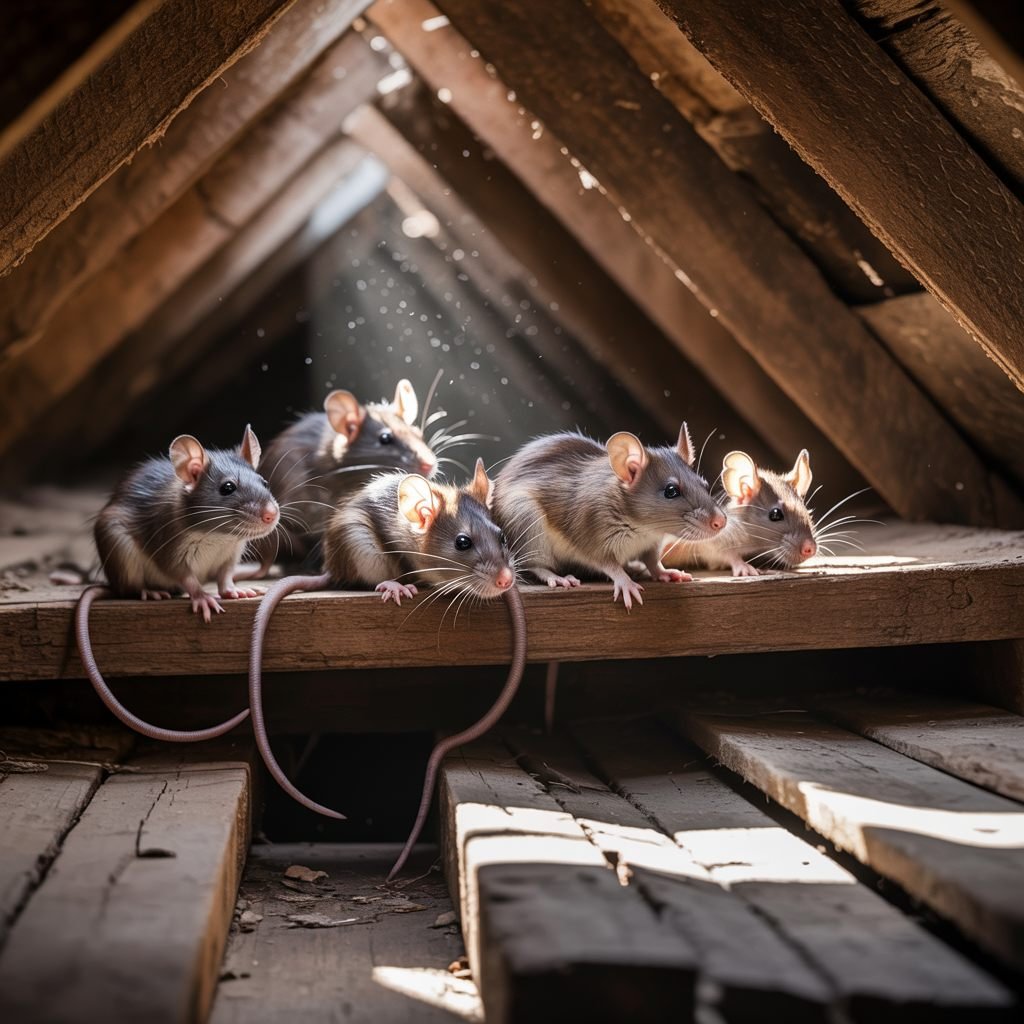
Trapping is the cleanup, not the cure. Done properly it clears a population in days; done the usual way it run…
Humane Control
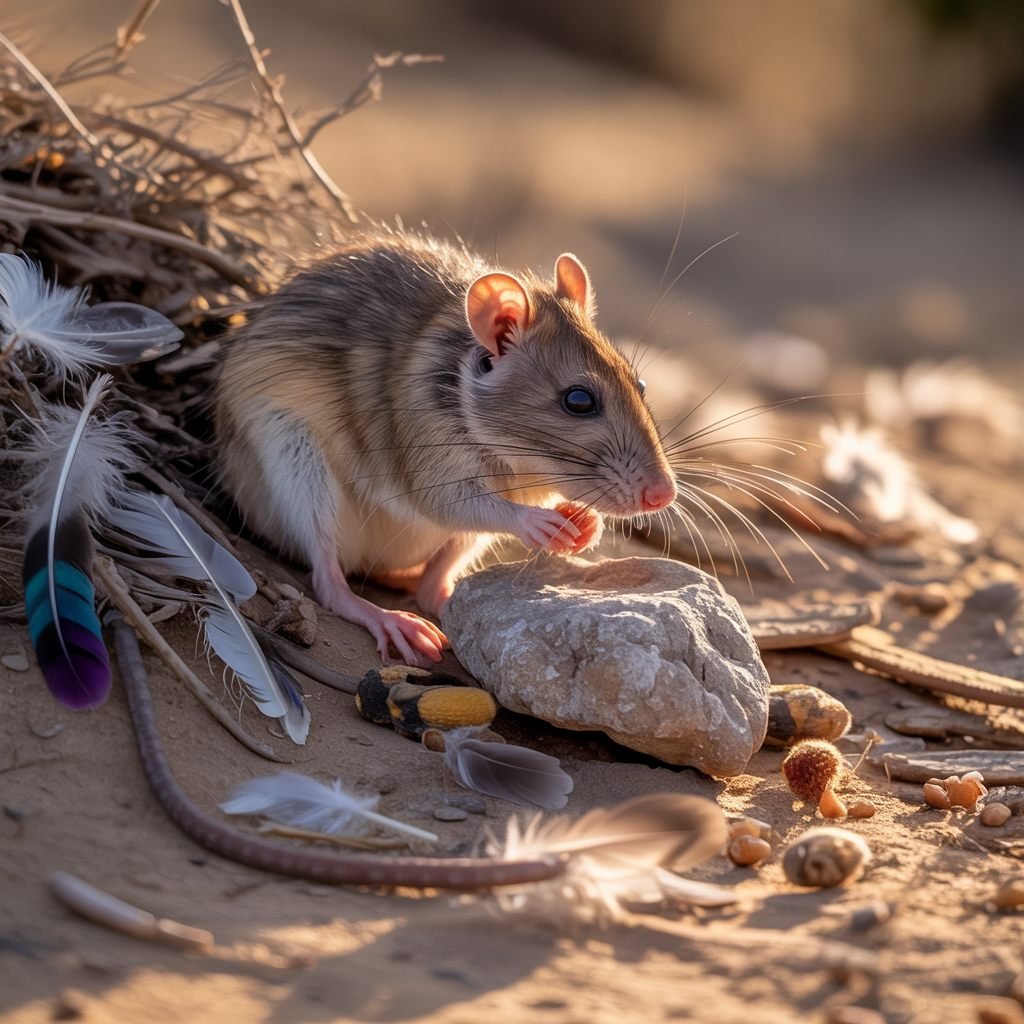
An honest page. Humane methods work well for some species and situations and poorly for others, and we would r…

Commercial
Same core process, scaled up — with the documentation a health inspector will actually ask for and a service s…

Prevention
The cheapest rodent work you will ever buy, because you are paying for sealing alone — not sealing plus remova…