
Marana sits northwest of Tucson where working agricultural land meets rapid residential development, and that boundary is the whole story for rodent pressure here.
It produces a different mix from the rest of the metro. Agricultural land supports large rodent populations that desert scrub does not, and when a field is harvested, disced or a parcel is developed, those animals move.
What makes Marana different
Agricultural edge
Cotton, grain and pecan operations sustain rodent populations at densities open desert cannot. Harvest, tillage and irrigation changes all trigger movement, and the nearest shelter is frequently the subdivision next to the field.
This is a genuinely different driver from the wash-corridor pressure in the Foothills or the canopy routes in Sam Hughes, and it means the timing of activity here can track farm operations as much as the weather.
New construction on former farmland
A large share of Marana housing is recent and built on ground that was previously cultivated or open. Development displaces the existing population rather than removing it, and newly finished homes frequently see activity in the first year or two while the surrounding parcels are still being built out.
Active construction nearby
Ongoing development is itself a displacement engine. Each new phase pushes animals into the completed phases next door. If your neighbourhood is still expanding, expect intermittent pressure until it stops.
Irrigation infrastructure
Canals, ditches and agricultural irrigation provide reliable water in a desert — the single strongest attractant for every species except kangaroo rats. Water availability here is far higher than the surrounding desert would suggest.
What we usually find
- Garage door seal failures — the primary house mouse entry in new subdivisions
- Middens along perimeter walls on the field-facing side of a development
- Unsealed utility and AC line set penetrations on newer homes, where original foam has degraded or was never adequate
- Nests in stored vehicles and equipment on larger and rural parcels
- Activity in outbuildings and detached garages
- Roof rats where mature pecan or shade trees reach a roofline — less common than central Tucson but present
The new-home assumption
The most common thing that delays a call in Marana is the belief that a house built four years ago cannot have rodents.
Newer construction genuinely is better in some respects — bird stops are usually present, vent screens intact, weep hole detailing sound. But the failure points that matter most are not era-dependent:
- Garage door bottom seals wear out on a schedule regardless of build year
- Corner gaps at each end of the garage door open up as the seal compresses
- AC line set penetrations are sealed with foam that degrades within a few years
- Solar mounts added after construction frequently are not resealed properly
- Utility penetrations accumulate through landscaping, irrigation and low-voltage lighting work
A four-year-old house with a worn garage seal is as open as a forty-year-old one.
Rural and acreage properties
Outside the subdivisions, Marana has working properties with barns, equipment storage, feed and outbuildings. The approach there follows the same logic as Tanque Verde: harden the storage rather than trying to seal a barn, keep feed in sealed metal containers, stack hay off the ground, clear spillage daily, and seal tack rooms to residential standard even where the barn cannot be.
On rodenticide near agriculture
Worth stating clearly. This is raptor country — barn owls, great horned owls and hawks are abundant along the agricultural edge, and they are effective, free rodent control.
Anticoagulant rodenticides move up the food chain and those birds are the primary casualties. We do not use interior poison, and on properties near farmland we would encourage avoiding it entirely. An owl box is a genuinely worthwhile investment on an acreage property here.
Practical advice for Marana
- Check the garage door seal and both corners annually — highest return item on the list
- Inspect the AC line set penetration and reseal with mesh plus sealant, not foam alone
- Walk the field-facing wall quarterly, looking for debris accumulating at the base
- Expect activity after harvest or tillage on adjacent land, and act early rather than waiting
- Keep a clear gravel strip against the foundation
- Store pet food and birdseed in hard sealed containers
Timing around farm operations
This is the piece of local knowledge that is genuinely unique to Marana, and it is worth acting on.
Rodent movement here tracks agricultural activity as much as it tracks the weather. Harvest removes cover and food from a field simultaneously, and the resident population moves. Tillage destroys burrows outright. Irrigation changes shift where water is available. Each of these produces a displacement event, and the nearest dry shelter is frequently the subdivision on the boundary.
If you back onto working farmland, pay attention to what is happening in the field. Activity in the days after a harvest or a discing pass is not a coincidence, and acting in that first week is far cheaper than acting in month three.
Pecan groves
Marana has significant pecan acreage, and mature groves are worth understanding separately from row crops. They provide year-round canopy cover rather than seasonal cover, plus a high-calorie nut crop and permanent irrigation.
Properties adjacent to groves see more roof rat pressure than the rest of Marana, because the canopy supports the climbing behaviour that open cotton and grain fields do not. If you are near a grove and hearing attic activity, that is the likely species rather than pack rats.
Book a free inspection and tell us what borders your property — field, desert or further development — because it tells us what pressure to expect.
Want it confirmed properly?
A free inspection identifies the species, every entry point and the scope of work — with photographs, in writing, before anyone quotes a figure.
Explore this section
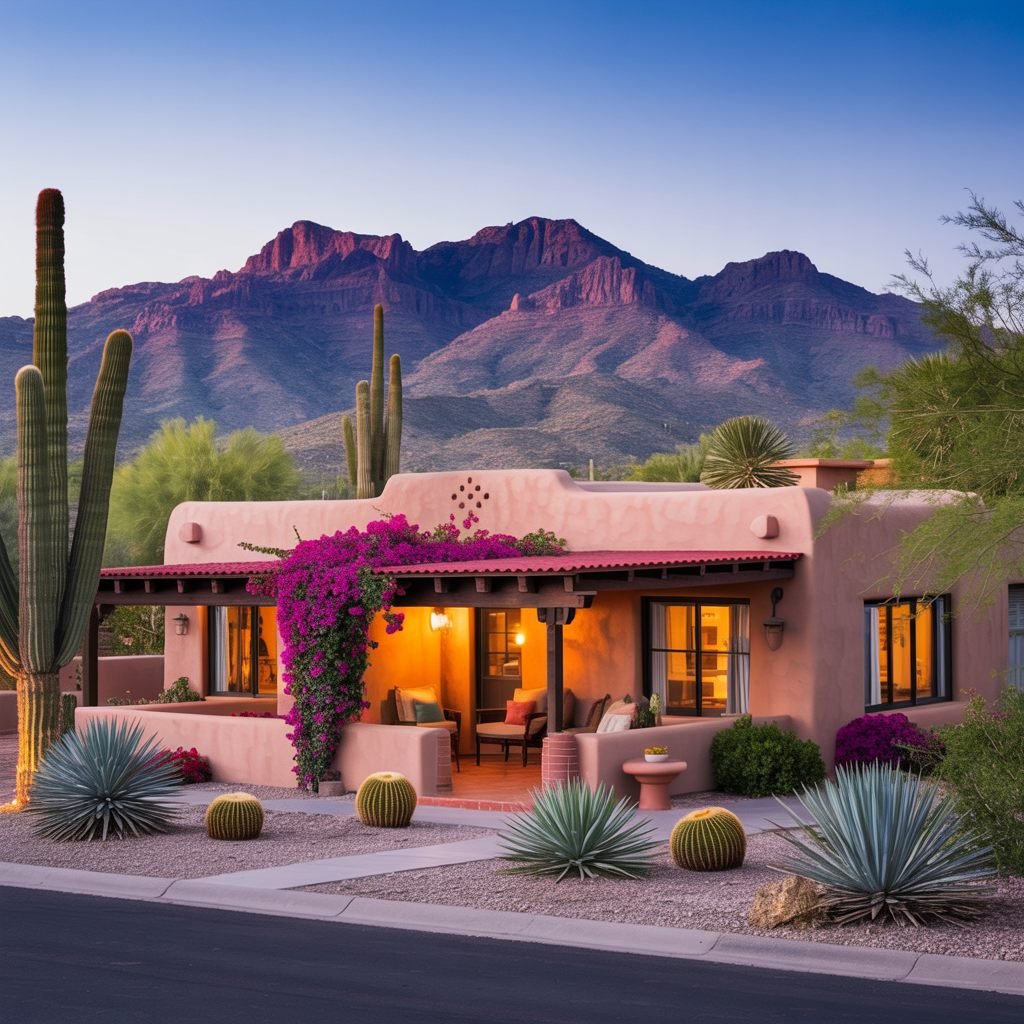
Tucson Areas
Rodent pressure is not evenly distributed across Tucson. Housing stock, elevation, vegetation and proximity to…
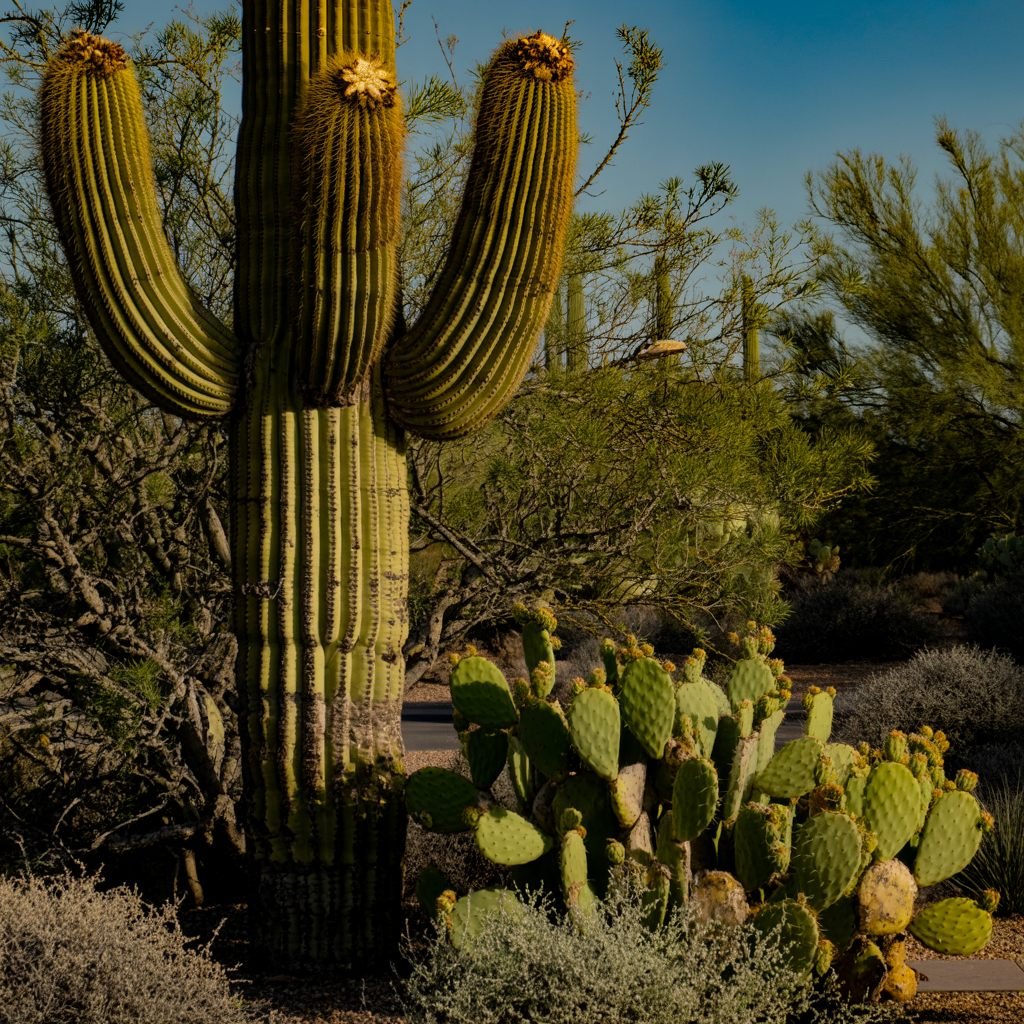
Catalina Foothills
Large lots, desert washes and mature tile roofs. The Foothills get both species at once, which is why partial …
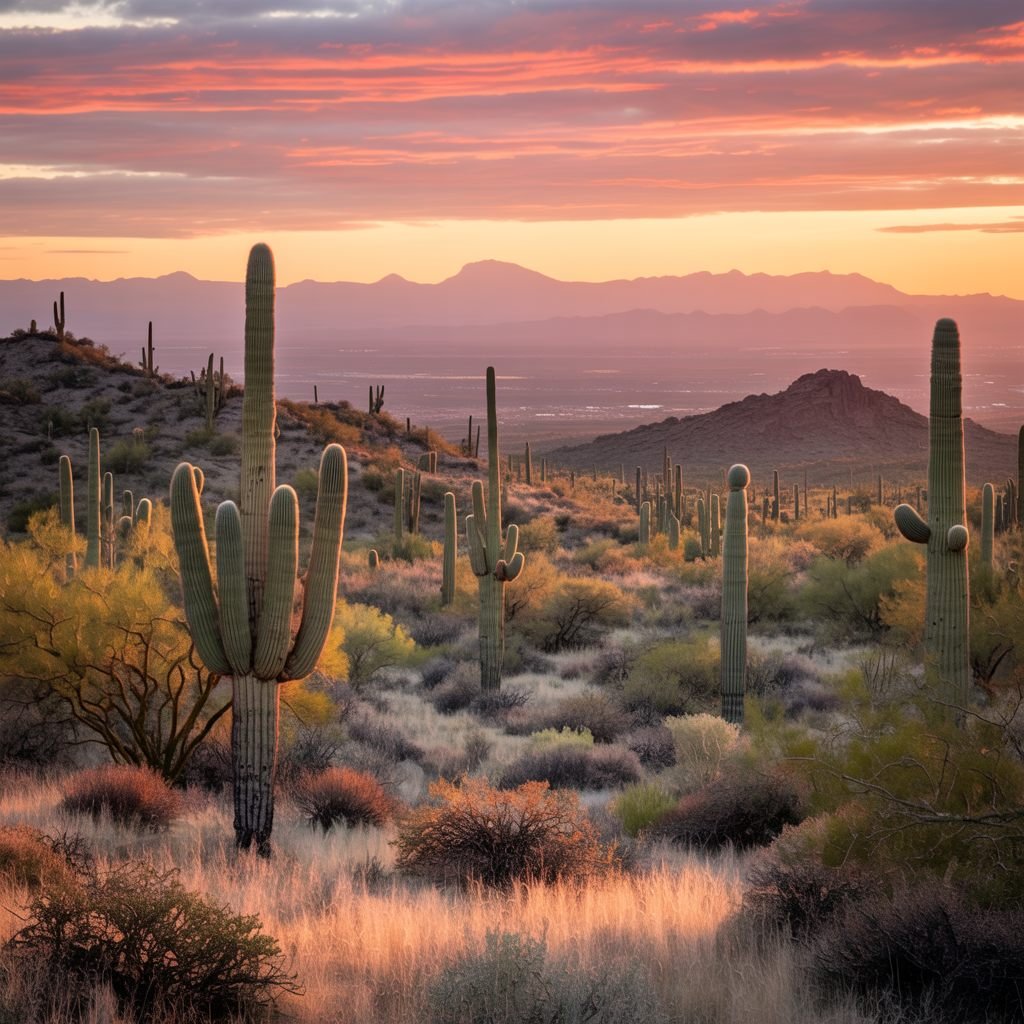
Tanque Verde
Wash corridors, acreage and outbuildings. Tanque Verde properties have more structures than the average lot, a…
Oro Valley
Newer construction against open desert. Oro Valley homes are usually well built and still get pack rats, becau…
Vail
Open desert on every side, acreage lots and a lot of stored equipment. Vail is pack rat country, and the vehic…
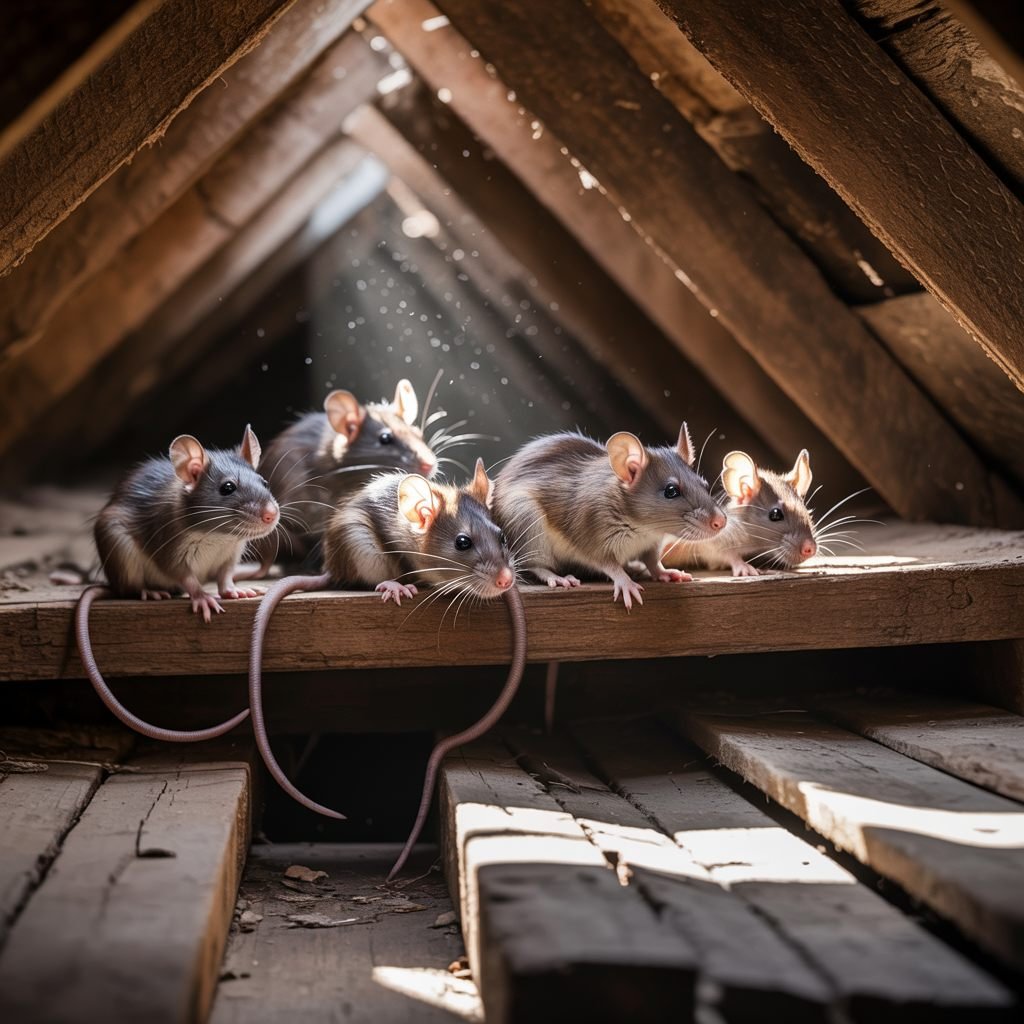
Sam Hughes
Mature citrus, historic construction and a canopy that connects half the neighbourhood. Sam Hughes is roof rat…