Species ID
Deer Mouse vs House Mouse: Why the Difference Matters in AZ
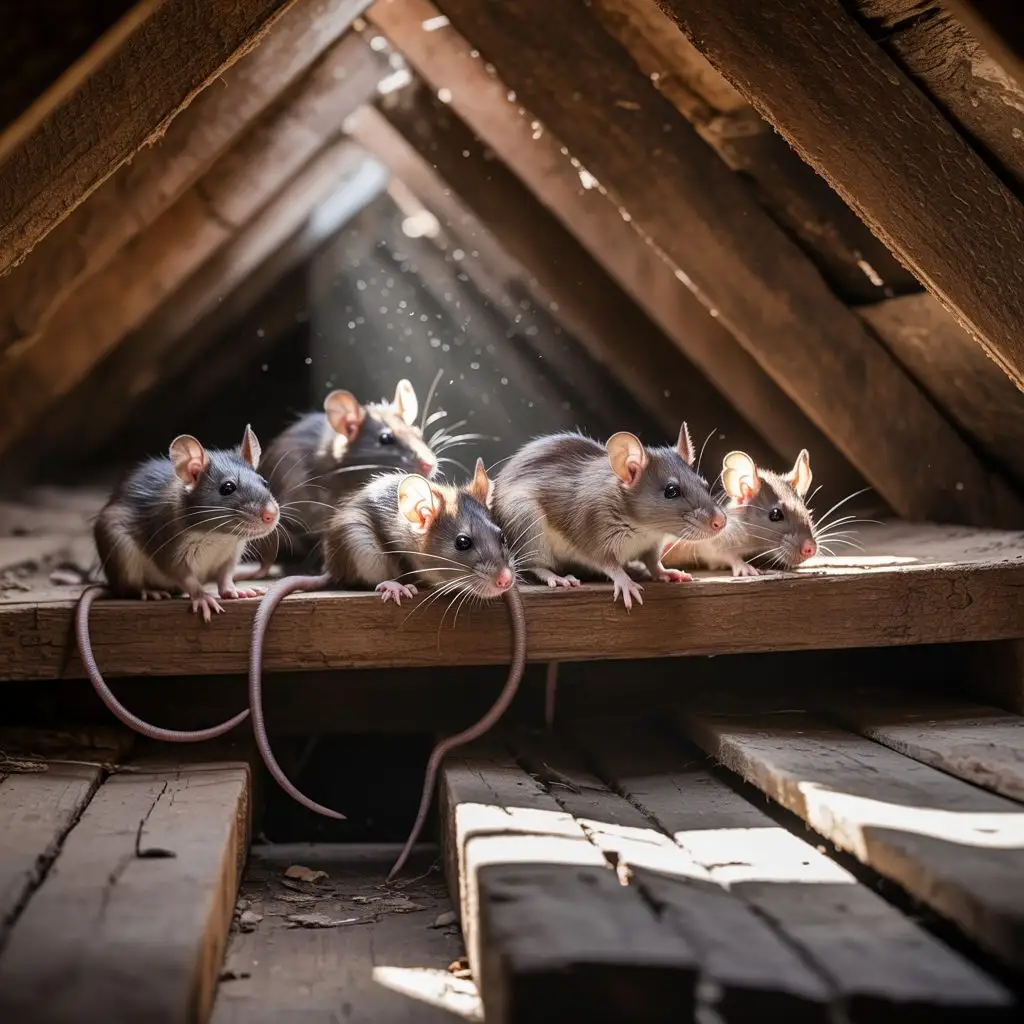
Two small mice, very different risks. How to tell a deer mouse from a house mouse in Arizona, and why it changes how you clean up after them.
October 30, 2026Read
53 field-tested guides on pack rats, roof rats and house mice in the Sonoran Desert — written from what we actually find on inspections.
Two small mice, very different risks. How to tell a deer mouse from a house mouse in Arizona, and why it changes how you clean up after them.
One hops and almost never comes inside; the other nests in garages and engine bays. How to tell a kangaroo rat from a pack rat, and which one needs action.
Nine rodents you are likely to see around a Tucson home, compared by size, tail, where they live and whether they come indoors, in one chart.
The pack rat is a genuine desert native with a fascinating life — and a real nuisance when it moves in. Here are the facts behind the animal we deal with daily.
Not every hole in a Tucson yard is a rat. Here is how to tell pack rat burrows from gophers and ground squirrels — because the fix is different for each.
Pack rat or roof rat? Compare the tail, ears, droppings, nests and where each lives in Tucson, and why the answer changes how you get rid of them.
An empty summer home is where rodent problems establish unseen. Here is the checklist to protect a Tucson house before you leave — and what to check when you return.
Mice go where the food is. Here is how to store food in a Tucson kitchen, pantry and garage so you stop feeding them — and stop attracting them in the first place.
Rats choose yards that offer food, water and cover. Here is the full Tucson checklist of what draws them — and the changes that make your property unattractive.
In the desert, water is the draw — and a pool is the biggest water source in the yard. Here is why rats gather around Tucson pools and how to discourage them.
A bird feeder is a rodent buffet in disguise. Here is how spilled seed feeds Tucson's rats and mice — and how to keep feeding birds without feeding rodents.
Rat poison is cheap and everywhere — and it is the wrong tool for a Tucson home. Here is what it actually does to your pets, local wildlife and your walls.
The garage is the number-one way rodents get into a Tucson home. Here is how to seal it — starting with the one gap almost every garage has.
Yes, citrus and lemon trees draw roof rats in Tucson, mostly as a route onto your roof. How to keep the tree, cut off the route and protect the fruit.
A rodent-proofing checklist for Tucson homes: a walk-round you can do in an afternoon, ordered by how much difference each item actually makes.
You can keep a beautiful Sonoran garden and still make it a poor place to nest. It comes down to structure, water and clearance.
Peppermint oil is the internet's favourite natural rat repellent. Here is what it actually does in a Tucson home — and why it never solves the problem.
Trapping a pack rat is mostly about placement, not the trap. Here is where to set, what to bait with, and the mistake that makes most DIY attempts fail.
A cat will catch the occasional mouse — but will it solve a Tucson rat problem? Here is the realistic answer and where cats actually help.
Mothballs are the most popular home remedy for rats in Tucson — and one of the least effective. Here is what they actually do, and what to use instead.
Traps are not the problem. Placement, quantity, species mismatch and the missing exclusion step are — in that order.
The short version: not reliably, and the physics explains why. Here is what the evidence shows and what to spend the money on instead.
Tucson's solar boom created a perfect roof rat habitat. Here is why rats nest under panels, the damage they cause, and how to exclude them without removing your system.
It sounds like an urban legend, but rats do travel sewer lines and can enter through plumbing — especially in older Tucson neighbourhoods. Here is the reality.
Untrimmed palm trees are one of the biggest roof rat harbourages in Tucson. Here is why palms attract them and what to do without removing the tree.
Roof rats climb in through the top of the house, not the bottom. Here is how to clear them from a Tucson attic — and why cutting your trees is half the job.
A brand-new Tucson home is tighter than an old one — but not rodent-proof. Here are the few gaps builders leave and how to close them before you have a problem.
Done properly, rodent exclusion is a long-term fix, not a recurring service. Here is what makes sealing last in Tucson — and what makes it fail early.
Weep holes are a real rodent entry point in Tucson block homes — but sealing them shut is a mistake. Here is the right way to close them to rodents.
Block and adobe construction has entry points that stucco-over-frame homes simply do not. Sealing them wrong causes moisture damage — here is the correct approach.
Barrel tile creates openings that are invisible from the ground and obvious from a ladder. Here are the six places to look.
The cheapest time to rodent-proof a Tucson home is before monsoon and autumn push rodents indoors. Most people miss that window by about four months.
After treatment, how do you know the rodents are actually gone and not just quiet? Here are the checks that confirm it — and the ones that mislead people.
A persistent musky or ammonia smell with no obvious source often means rodents. Here is how to read the odour and what to do about it.
Chewed wiring is the most expensive and dangerous rodent damage in Tucson — in cars, attics and walls. Here is why they do it and how to stop it.
Scratching or scurrying in the walls and ceiling after dark almost always means one thing in Tucson. Here is how to read the noise and what to do next.
Size, shape and location will tell you the species, the population size and whether the problem is active. Plus how to clean up safely.
Rodent calls spike every October in Tucson, and it is not random. Here is the chain of events that pushes rats and mice indoors as the desert cools.
Summer storms do not reduce rodent pressure — they relocate it, and often straight into your garage or attic. Here is the mechanism and the timing.
Rodent pressure in the Sonoran Desert is not random. Here is what happens month by month, and when to act for the least cost.
For a Tucson restaurant, one rodent sighting is a reputation and health-code emergency. Here is what real commercial rodent control involves — and the records inspectors expect.
Cleaning up rodent droppings the wrong way is a genuine health risk. Here is the safe method — and the one thing you must never do.
Pack rats are native and mostly keep to themselves — but their middens carry real health risks in Tucson. Here is what to actually worry about.
Kissing bugs breed in pack rat middens. A midden against your wall is the link between a yard problem and night-time bites indoors.
Three separate hazards come out of a disturbed midden at once. Here is what proper removal involves and what to do if you have already disturbed one.
Hantavirus in Arizona is rare but serious. How Tucson homeowners are exposed through rodent droppings, the warning symptoms, and the safe way to clean up.
Mice are the most common indoor rodent in Tucson — and the garage door is usually how they get in. Here is the full sequence to clear them and keep them out.
Droppings in a drawer is the most common first sighting. Here is what to do immediately, what to do this week, and when it stops being a DIY job.
Pack rats are the desert's most persistent rodent. Here is the sequence that actually clears them from a Tucson property — and why trapping alone never holds.
Tucson auto shops treat chewed engine wiring as a routine repair, not a rare one. Here is why pack rats target parked cars and the four things that actually stop them.
Comprehensive cover often applies where the manufacturer warranty does not. What to document and how to reduce the chance of a repeat.
A parked RV is warm, enclosed, undisturbed and full of soft material. Here is how to store one so it does not become a nest.
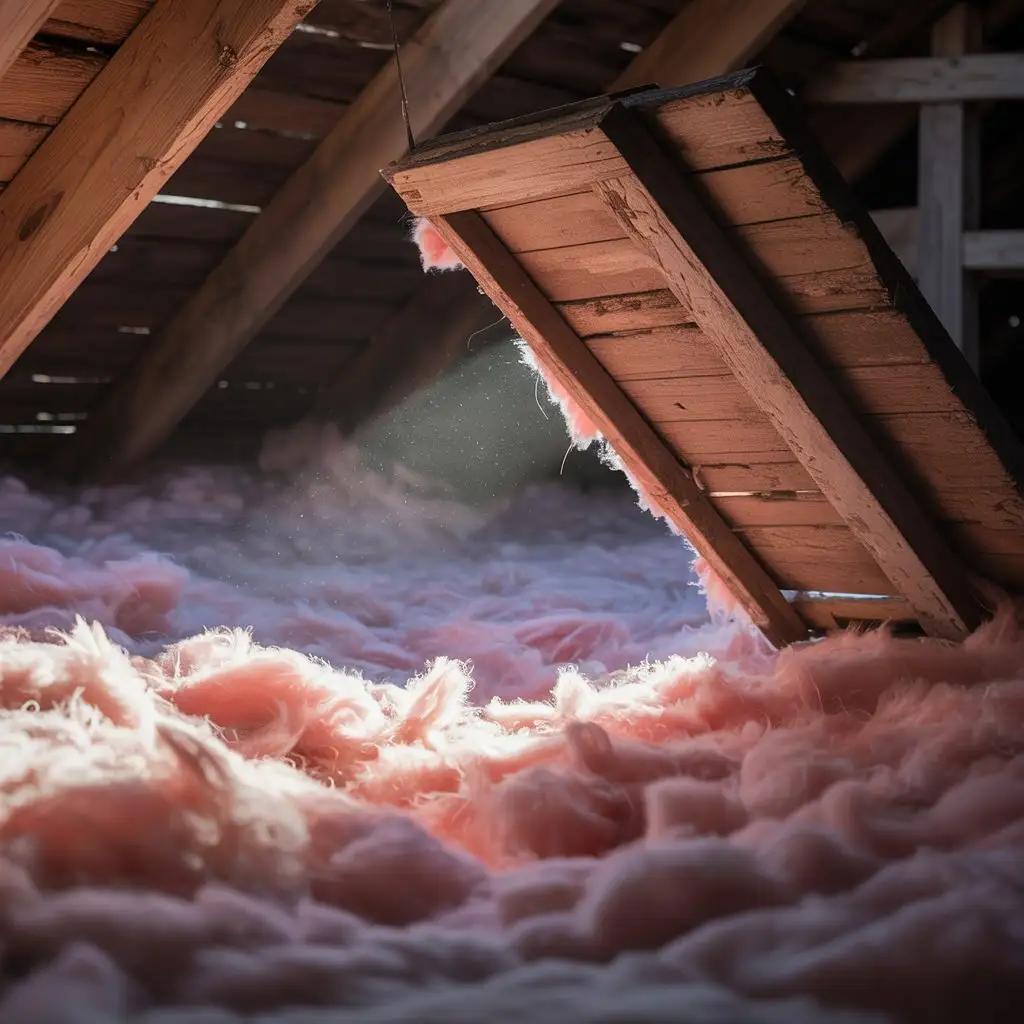
In a Tucson summer, compressed and contaminated attic insulation is not just a hygiene issue — it is a measurable cooling bill.
A free inspection tells you the species, the entry count and the scope — before anyone quotes you anything.