Short answer: yes, and grapefruit and orange trees are among the most reliable roof rat indicators on a Tucson property. But the usual conclusion — remove the tree — is not the fix, and it is not necessary.
Two separate problems
People assume the issue is fruit. Fruit is part of it, but the bigger problem is the route.
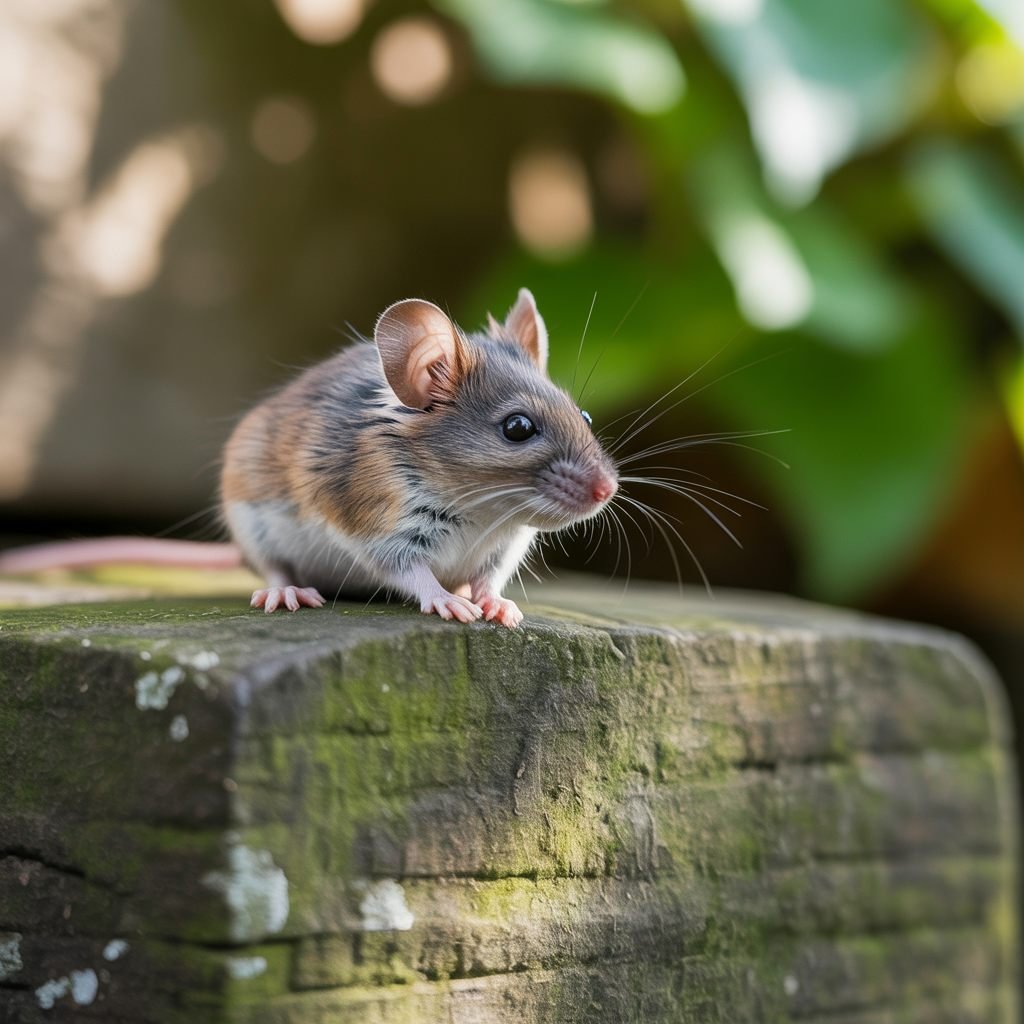
Roof rats (Rattus rattus) are exceptional climbers and strongly prefer travelling above ground. A mature citrus canopy that touches or overhangs your roofline is a bridge from tree to tile. A rat using that bridge never crosses open ground, never passes your traps, and never triggers any of the ground-level measures you have taken.
Fruit is the reason they come to the tree. Canopy contact is the reason they end up in your attic.
Why citrus specifically
Citrus is a good rodent resource for reasons that stack:
- Water content. In a desert, a grapefruit is a drink. Roof rats can meet much of their water requirement from fruit alone.
- Long season. Tucson citrus can hold fruit for months, so it is not a brief seasonal event — it is a sustained supply.
- Dense evergreen canopy. Year-round cover from predators, which matters more than most people realise.
- Fallen fruit. Ground fruit feeds mice and pack rats too, broadening the species mix on the property.
A classic roof rat sign is a hollowed grapefruit still hanging on the branch — the rind intact, the inside eaten out. If you find those, you have roof rats, not "maybe."
The fix, in priority order
1. Break the bridge
This is the single highest-value action. Trim the canopy so no branch is within about four feet of the roofline, walls, or any other tree that connects onward. Four feet is a practical working figure — roof rats jump, but not reliably across that gap from a flexing branch.
Check the whole chain. We regularly find properties where the citrus was trimmed correctly but an adjacent palm or oleander still completes the route.
2. Pick up fallen fruit
Weekly during the season. This is unglamorous and it works. Ground fruit is what turns a tree into a feeding station for multiple species.
3. Harvest what you are not eating
Fruit left to over-ripen on the tree is a maintained food source. If you cannot use it, several Tucson gleaning organisations will collect it.
4. Clear the trunk zone
Remove leaf litter, mulch piles and stacked material at the base. That is prime pack rat midden habitat, and a midden at the base of a fruiting tree is close to ideal conditions from a rodent's point of view.
5. Seal the roofline anyway
Trimming reduces access. It does not eliminate it — neighbouring properties have trees too, and rats travel further than people expect. Exclusion at the roofline is what makes the outcome permanent.
What about trunk guards?
Sheet-metal bands around the trunk can work on an isolated tree with no other access route. In practice most Tucson yards have several ways up, so a guard on one trunk often just redirects traffic. It is a supporting measure, not a primary one.
You do not have to remove the tree
We say this on nearly every inspection where citrus is involved. A well-maintained tree with a four-foot clearance gap, picked-up fruit and a clean base is not a meaningful rodent liability. An unmaintained tree touching the roof with fruit rotting underneath is a rodent highway with a food court attached. The difference is maintenance, not the tree.
Not sure what you are dealing with?
A free inspection identifies the species, every entry point and the scope of work — in writing, before anyone quotes you a number.