Rodents are nocturnal, cautious and good at staying out of sight. By the time most Tucson homeowners see one, the population has been established for weeks. The evidence, though, shows up much earlier — if you know what you are looking at.
This page covers the eleven signs worth acting on, ordered roughly by how early they appear.
1. Scratching or scuttling overhead
Usually the first sign, and usually between dusk and around 2 a.m. Sound in the ceiling or attic points to roof rats. Sound at floor level inside walls points to house mice. Sound in a crawl space or garage at ground level points to pack rats.
You may also hear dragging or rolling — rats moving nesting material. That is a nest under construction, not a passing visit.
2. Droppings
The most reliable hard evidence, and the most informative. Size tells you the species, freshness tells you whether the problem is current, and distribution tells you where the animals travel.
Rice-grain sized means mice. Half an inch or more means rats. Scattered along a beam means a travel route; piled in one spot means a latrine near a nest. Full breakdown on our droppings identification page — including the lookalikes people misread as rodent, such as gecko and bat droppings.
Do not sweep or vacuum them. Both aerosolise particles.
3. One room that will not cool
This is the Tucson-specific sign, and it is badly under-recognised. Attic ductwork is wrapped in insulation, and rodents chew that wrap and sometimes the flex duct itself. A breached duct dumps cooled air into an attic that may be well over 140°F in summer.
The symptom is one room lagging behind the rest of the house. Most people call an HVAC company, who correctly find a duct fault — without necessarily identifying what caused it. If you have a room that stopped cooling and you have heard attic noise, treat those as the same problem until proven otherwise. See rodents in the attic.
4. A musky, ammonia-like smell
Concentrated urine and droppings produce a distinctive sharp, musky odour. The tell in Tucson is that it strengthens when the air conditioning runs, because air is being drawn across contaminated material and pushed into the living space.
A different, much stronger smell — unmistakably of decay, lasting one to three weeks — means something has died inside the structure. That is common after do-it-yourself poison use.
5. Gnaw marks
Rodent incisors grow continuously and must be worn down, so gnawing is constant and not optional. Look at cabinet corners, weatherstripping, door bottoms, stored boxes, plastic pipe and, most seriously, wiring.
Fresh gnawing is pale and sharp-edged. Older marks darken and smooth over. Chewed conductor insulation is a fire risk and the most urgent item on this page.
6. Rub marks
Rodents follow the same routes repeatedly and leave dark greasy smudging where their fur contacts surfaces — along beams, at the base of walls, on fascia and around entry holes. Once you have seen one you will spot them quickly, and they map the route straight back to the entry point.
7. A pack rat midden
A visible accumulation of sticks, cactus pads, leaf litter and collected debris, often with something shiny worked in. Check against block walls on the shaded side, inside woodpiles, under decks and AC units, in the base of prickly pear, and beneath vehicles that sit unmoved.
A midden against the house is not just a rodent issue — it is a documented kissing bug breeding habitat. See rodents in the yard.
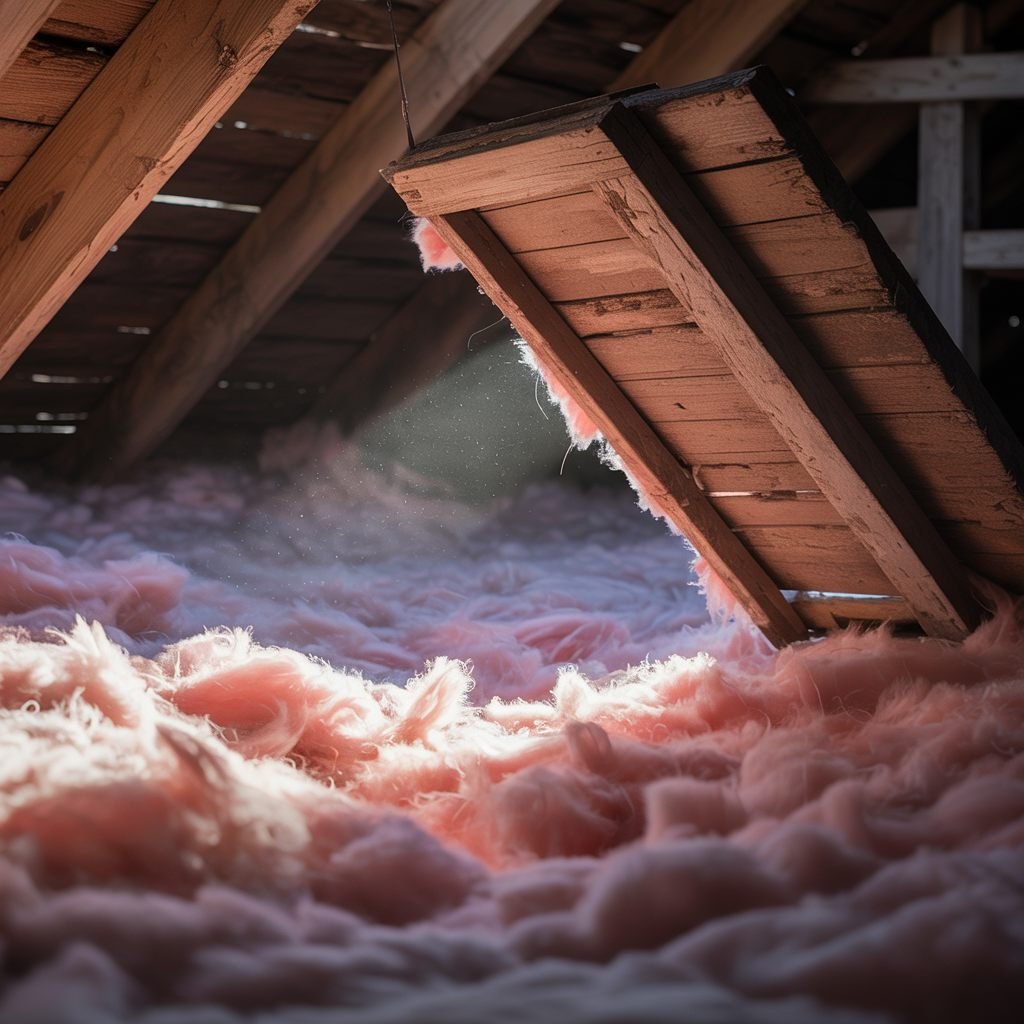
8. Disturbed insulation
From the attic hatch with a torch, look for trails and flattened runs across the surface, uneven depth, bare patches over the ceiling, and shredded material gathered in corners or along the eave. Staining or discolouration indicates urine saturation, and that material cannot be salvaged.
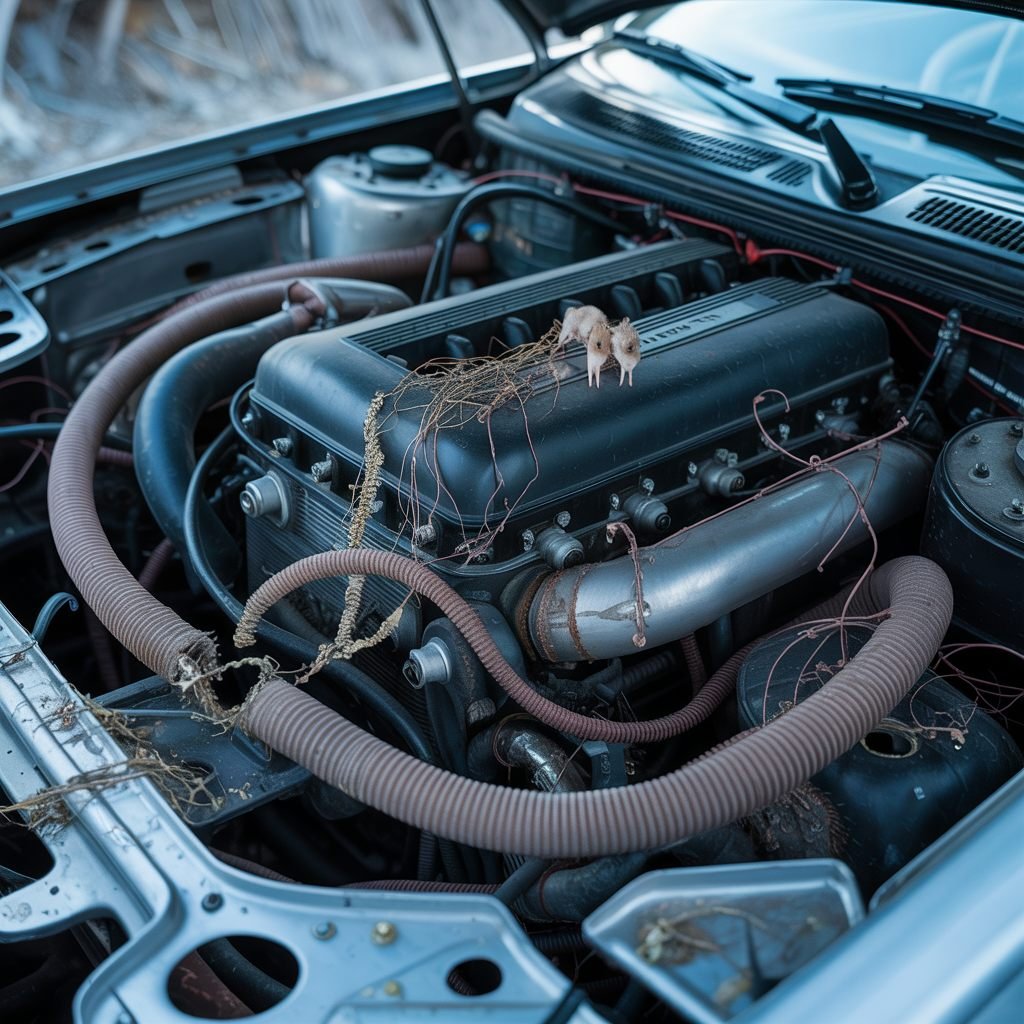
9. A nest in the engine bay
You do not need a rodent problem in the house to get this. Pack rats target parked vehicles specifically. Open the hood on anything that has been sitting — twigs and palm fibre on the engine block, chewed wiring insulation, droppings on the battery tray. Details on our car engine page.
10. Pets fixating
A dog or cat staring at one wall, one vent or one ceiling spot for days is worth taking seriously. They hear and smell what you cannot, and they are frequently right about the location.
11. Allergy symptoms that are worse at home
Rodent urine contains major urinary proteins that become airborne as material dries. These are recognised allergy and asthma triggers. The diagnostic pattern is that symptoms get worse indoors, which is the opposite of the outdoor pollen calendar. If someone's allergies do not match the season, that is a signal. See allergies and asthma.
How many signs before you act?
One sign warrants a careful look around. Two or more means you are past the point where a single trap solves it — you have an established population with a route in.
The clearest self-test we can offer: if you have already set traps and you are still hearing activity two to three weeks later, that does not mean you need more traps. It means the entry points were never closed.
Work through the symptom pages for the attic, the car engine, the yard and droppings, or book a free inspection and we will identify the species, the entry count and the scale in one visit.
Want it confirmed properly?
A free inspection identifies the species, every entry point and the scope of work — with photographs, in writing, before anyone quotes a figure.
Explore this section
In the Attic
The attic is where the expensive damage happens — insulation, ductwork and wiring. Here is how to inspect it s…
In the Car Engine
Tucson auto shops treat chewed engine wiring as routine, not rare. You do not need a rodent problem in the hou…

In the Yard
Every indoor rodent problem started outside. The yard is where you get a season of warning — if you know what …

Droppings ID
Droppings tell you the species, roughly how many, where they travel and whether the problem is active. Here is…