Tucson is not one rodent environment. The species mix, the entry routes and the treatment plan all shift depending on where in the metro area you are — and the drivers are housing stock, vegetation, elevation and how close you are to a wash.
Understanding your area's pattern is not a marketing exercise. It changes where we inspect first and what we expect to find.
The four things that determine local pressure
Proximity to washes and open desert
Washes are natural wildlife corridors, and the scrub alongside them is ideal pack rat habitat. Properties backing onto a wash or onto undeveloped desert face continuous pressure regardless of how well the house is sealed. Foothills and eastern edge neighbourhoods dominate here.
Tree canopy age and type
Mature citrus, palm and shade trees with canopy reaching a roofline give roof rats a route in that never touches the ground. Established central neighbourhoods with forty-year-old trees have far more of this than a five-year-old subdivision.
Housing stock and era
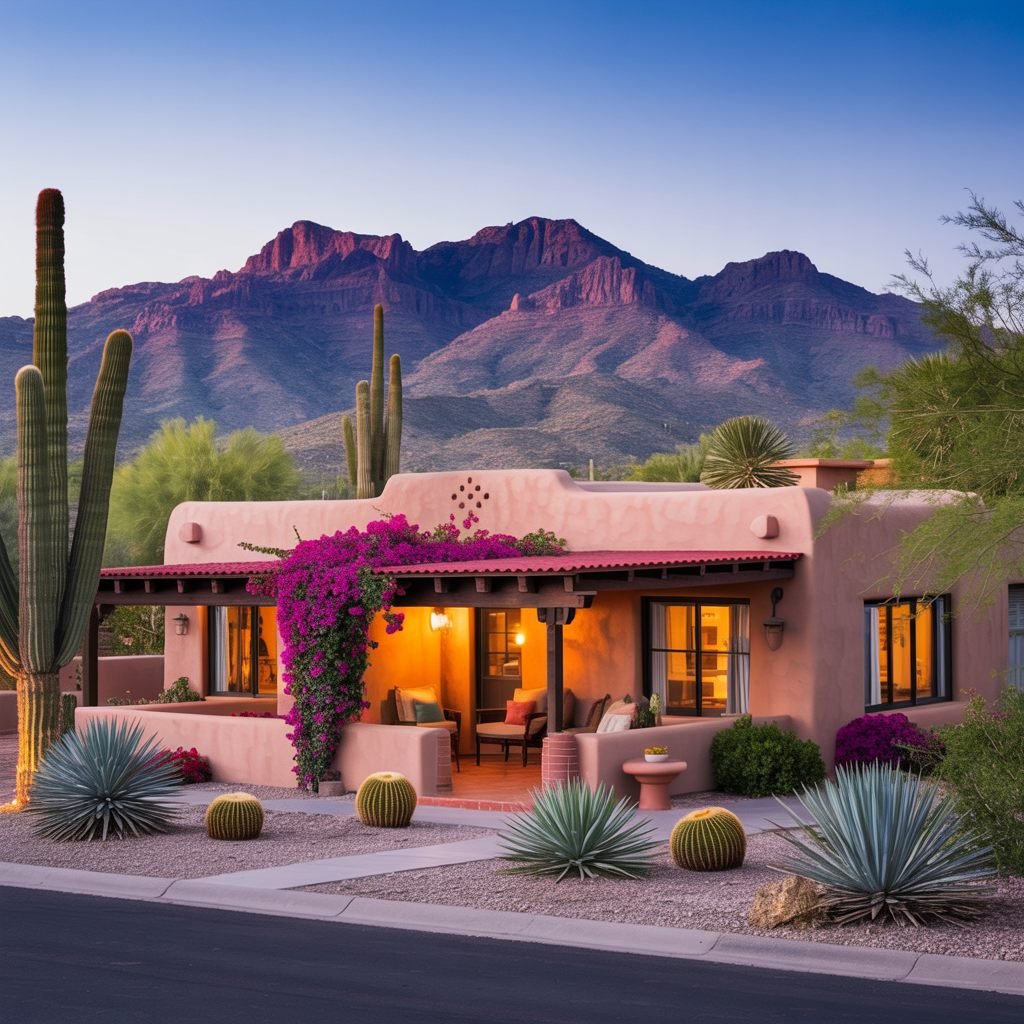
Barrel tile roofs leave open terminations at every eave and ridge end. Block wall construction has weep holes that must be screened rather than sealed. Adobe and burnt adobe have erosion pockets and viga penetrations. Newer stucco-over-frame homes have different, generally fewer, vulnerabilities.
Elevation and vegetation density
Higher foothill properties sit in denser desert scrub with different species pressure than flat, sparser ground on the valley floor.
The areas we cover
| Area | Dominant pressure | Usual entry route |
|---|---|---|
| Catalina Foothills 85718 | Pack rats, roof rats | Washes, large lots, tile roofs |
| Tanque Verde 85749 | Pack rats | Wash corridors, outbuildings, horse property |
| Oro Valley 85737 | Pack rats, mice | Desert interface, newer tile roofs |
| Vail 85641 | Pack rats | Open desert lots, vehicles, outbuildings |
| Sam Hughes 85716 | Roof rats | Mature citrus canopy, older construction |
| East Tucson | Roof rats, mice | Established canopy, mixed housing stock |
| South Tucson | Mice, roof rats | Older adobe and block, dense lots |
| Marana | Pack rats, mice | Agricultural edge, new subdivisions |
| Sahuarita 85629 | Pack rats, mice | Retention basins, new stucco subdivisions |
| Green Valley 85614 | Pack rats | Desert scrub, patio homes, seasonal vacancy |
| Rita Ranch 85747 | Mice, pack rats | New builds on former ranch land, wash edges |
| Casas Adobes 85704 | Roof rats, pack rats | Mature canopy, mixed older/newer stock |
| Midtown Tucson 85719 | Roof rats, mice | 1950s block, alleys, citrus, sewer lines |
The pattern across the metro
Broadly: pack rat pressure increases as you move outward toward the desert interface, and roof rat pressure increases as you move inward toward established neighbourhoods with mature canopy.
House mice are the most evenly distributed of the three and turn up anywhere there is a garage with a worn door seal.
The overlap zone — properties that get both — is where most of the confusion happens. A Foothills home can easily have pack rats in the yard and vehicles, roof rats in the attic, and mice in the garage. That is three separate treatment plans on one address, and it is the most common reason a homeowner concludes a previous treatment failed.
Seasonality is the same everywhere
Whatever area you are in, the calendar is consistent: seal in April to June, expect displacement after monsoon storms, and expect the October peak as post-monsoon vegetation growth supports a larger population that cooling nights then push indoors.
The full reasoning is on our seasonal rodent calendar.
Why a local company beats a national script
This is not simply a marketing claim, so here is the substance behind it.
A technician working from a national playbook will check the things that matter in most of the country: foundation gaps, crawl space vents, siding penetrations, chimney caps. Those checks are not wrong, they are just largely irrelevant to a Tucson tile-roofed block house.
What matters here instead is a specific and unusual list. Bird stops at barrel tile terminations. Weep holes that must be screened rather than sealed, because blocking them traps moisture in the wall and causes spalling. Adobe that needs lime-based rather than Portland-heavy repair material. Citrus canopy clearance distances. Monsoon displacement timing. Pack rat middens as a kissing bug habitat rather than just an untidy pile.
None of that appears in a national training module, and a technician who has not worked here will not think to look. It is the single clearest reason to ask any company what they would check first on a tile roof before you hire them — the answer tells you immediately whether they know the local building stock.
Response times and scheduling
We can usually attend within a few days across all of the areas listed above. Peak season — roughly September through November, when the post-monsoon population wave moves indoors — runs longer, sometimes a week or more.
That is another practical argument for booking preventive work in spring: availability is far better before the autumn rush, and you are sealing ahead of the pressure rather than responding to it.
Outside these areas?
The list above covers where we work most often, not a hard boundary. We cover Tucson and the surrounding Pima County communities generally — if you are nearby and not listed, get in touch and we will tell you straight away whether we can reach you.
How we decide where to work
We would rather cover a defined area well than a huge one thinly. The list above reflects where we can attend within a few days, walk a property properly, and get back for daily trap checks during an active job without those checks slipping.
That last point is the real constraint. Daily checking is not optional in a Tucson summer — a carcass in a hot attic becomes an odour problem within a day — so our service radius is genuinely limited by how far we can reliably return each day, not by how far we are willing to drive once.
If you are at the edge of the area, ask. We will give you a straight answer about whether we can service you to the standard the work requires, rather than stretching and doing it badly.
Start with your area, or with your problem
There are two sensible ways into the rest of the site.
By area: the pages below cover local housing stock, the species you are most likely to have, the specific entry points we find, and what treatment typically involves in each place.
By problem: if you already know roughly what you are dealing with, go straight to the species guide, the signs of rodents, or the service list. The pricing page covers what it costs regardless of where you are.
Every area page below covers the local housing stock, the species you are most likely to have, the specific entry points we find there, and what treatment usually involves. Or skip ahead and book a free inspection.
Want it confirmed properly?
A free inspection identifies the species, every entry point and the scope of work — with photographs, in writing, before anyone quotes a figure.
Explore this section
Catalina Foothills
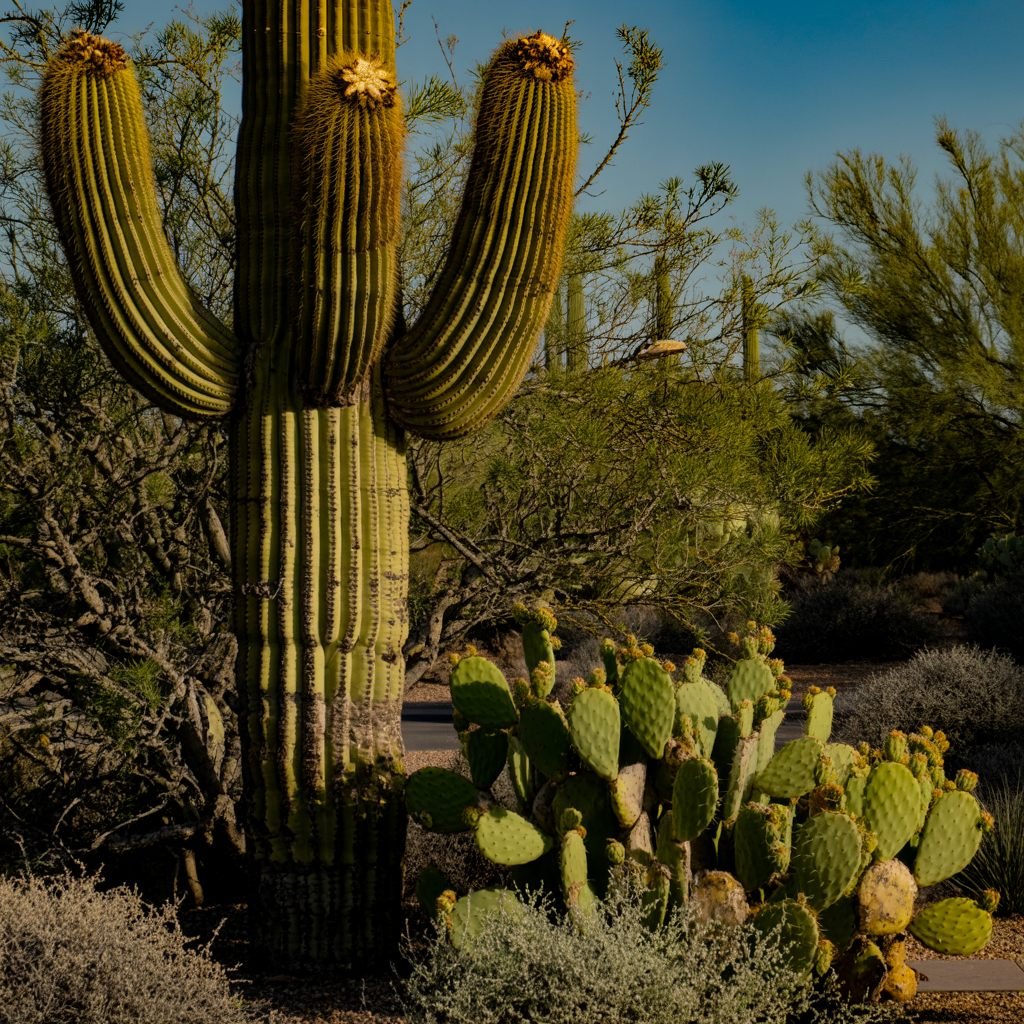
Large lots, desert washes and mature tile roofs. The Foothills get both species at once, which is why partial …
Tanque Verde
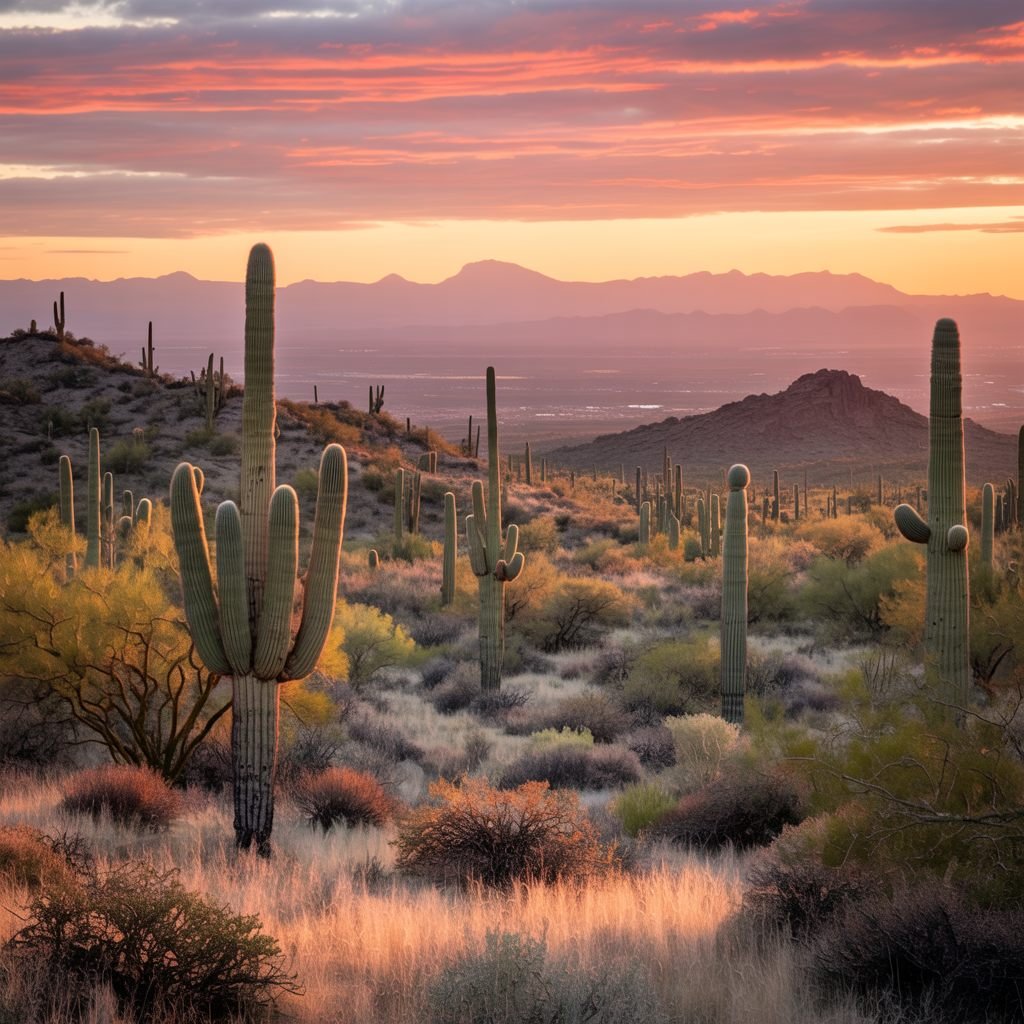
Wash corridors, acreage and outbuildings. Tanque Verde properties have more structures than the average lot, a…
Oro Valley
Newer construction against open desert. Oro Valley homes are usually well built and still get pack rats, becau…
Vail
Open desert on every side, acreage lots and a lot of stored equipment. Vail is pack rat country, and the vehic…

Sam Hughes
Mature citrus, historic construction and a canopy that connects half the neighbourhood. Sam Hughes is roof rat…
East Tucson
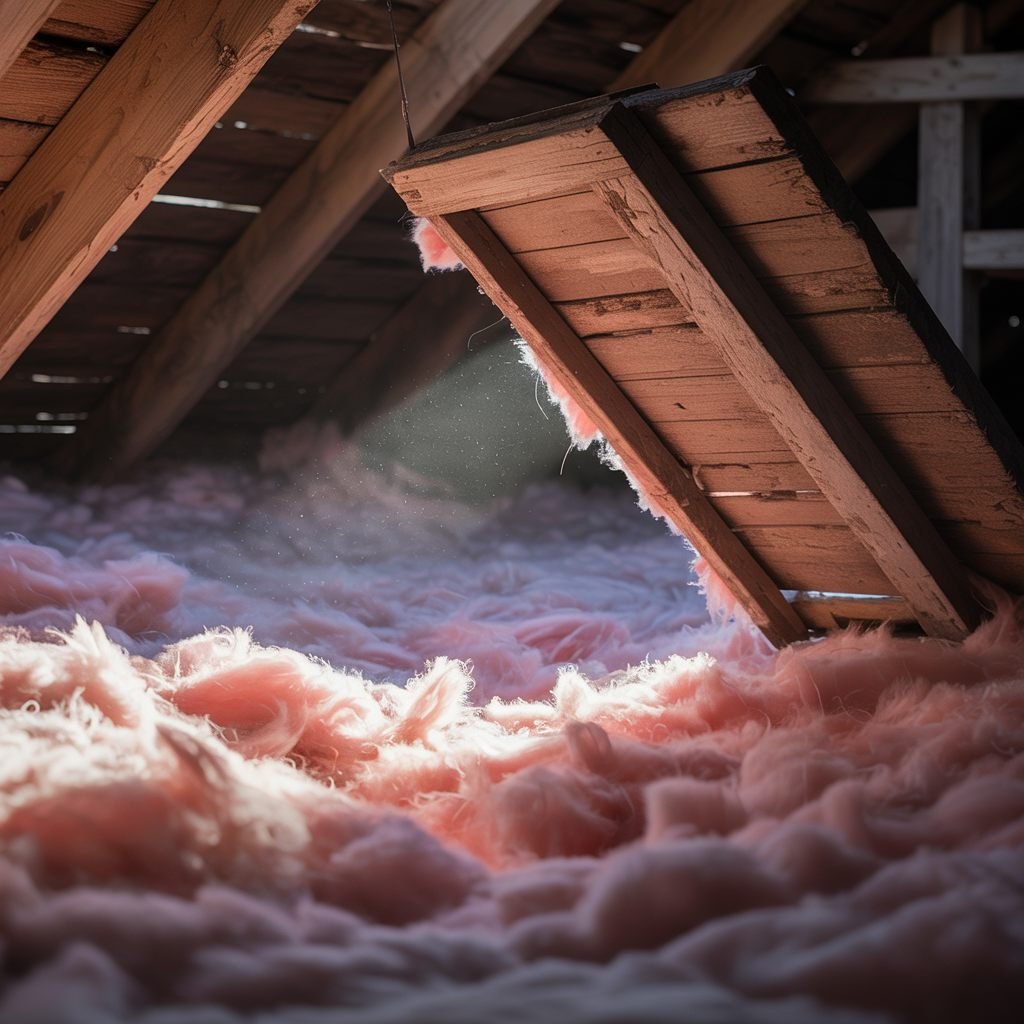
The broadest mix in the metro — 1960s block, 1980s tile and newer infill, all in one area. Which problem you h…