
Green Valley is a predominantly retirement community south of Tucson — patio homes, townhomes, HOA developments and a large seasonal population. The housing is generally single-storey block-and-tile on modest lots surrounded by desert scrub, and the rodent species mix is what you would expect from that: pack rats first, mice second, roof rats where landscaping has matured.
But the thing that genuinely sets 85614 apart is not the housing. It is the occupancy pattern.
The seasonal-vacancy problem
A large share of Green Valley homes are second homes, occupied in winter and empty through the summer and monsoon. An empty house is the ideal place for a rodent problem to establish, for a simple reason: there is nobody there to notice it.
The scratching in the attic that a full-time resident hears in week one goes unheard for months. The mouse in the garage breeds undisturbed. The pack rat that moves into the water heater closet during a July monsoon storm has until October before anyone opens the door. By the time the owner returns, a problem that would have been a small job is an established infestation with contamination, chewed wiring and often odour.
What returning snowbirds walk into
- Middens built in the garage, courtyard, or against the AC unit over a vacant summer
- Nests in the vehicle that sat in the garage for six months, with chewed wiring
- Droppings and contamination in cupboards, the pantry and the water heater closet
- Chewed irrigation and drip lines, which rodents open for water in the dry months
- Roof rats established in the attic where nobody was there to hear the early activity
What to do before you leave for the summer
The single best investment for a part-time resident is a pre-departure exclusion. Sealing the home before it sits empty is dramatically more effective than treating an established problem on return, because you are closing the door before anything moves in rather than evicting a settled population afterward.
A pre-summer visit covers the garage door seal, weep holes, utility penetrations, the roofline and any obvious yard harbourage, plus advice on the vehicle and irrigation. It is the difference between coming back to a clean house and coming back to a project.
Desert scrub and continuous pack rat pressure
Green Valley sits in open Sonoran Desert, and many communities back directly onto undeveloped scrub, washes or the pecan groves toward Sahuarita. That means continuous pack rat pressure regardless of how tidy the property is. Middens appear under condenser units, in stored patio furniture, in woodpiles and against block walls, and the desert always has more animals ready to replace a cleared one — which is why sealing matters more here than trapping alone.
Middens and kissing bugs
This is worth stating plainly for an older population: pack rat middens are the primary habitat for the kissing bug, whose bite matters more for people with certain health conditions. Removing a midden near the house is not just tidiness — it removes a genuine vector habitat from beside your wall. See signs of rodents.
Pets, raptors and no interior poison
Green Valley has a lot of small dogs and a lot of hawks and owls. Both are reasons we never use interior rodenticide. Secondary poisoning kills the raptors that provide free rodent control across the community, and loose bait is a direct risk to pets. Our approach is trapping plus exclusion, which clears the problem and keeps it out without introducing poison to the property.
HOA considerations
Many Green Valley homes sit within HOAs with rules about exterior modifications, wall penetrations and appearance. Our exclusion work is low-visibility by nature — screened weep holes, door seals and roofline sealing are not things a neighbour notices — but if your association has specific requirements, tell us when you book and we will work within them.
What it costs
Pre-departure exclusions are efficient and sit toward the lower end of our range. Return-from-summer jobs with established contamination cost more because they involve clean-up and decontamination on top of removal and sealing — which is precisely the argument for sealing before you leave. See pricing.
The tell-tale signs after a vacant summer
If you have just returned, do a slow walk before you unpack. Look for droppings in cupboards and the pantry, along the garage walls and in the water heater closet; check the roofline and eaves for greasy rub marks and gaps; open the hood of any vehicle that sat all summer and check for nesting and chewed wiring before you start it; and look along block walls and under the AC condenser for the stick-and-debris piles that mark a pack rat midden. Catching it in the first few days back turns a large job into a small one, which is the whole argument for looking before the problem announces itself.
Common questions from Green Valley homeowners
We're only here in winter — when should we book?
Ideally a pre-departure seal before you leave for the summer, so nothing moves into an empty house. Second best is an inspection in your first days back, before a small problem becomes an established one.
Will sealing affect the HOA-approved look of the home?
No. Screened weep holes, door seals and roofline sealing are low-visibility by design. If your association has specific rules, tell us and we will work within them.
Is poison safe with small dogs around?
We do not use it. Trapping and exclusion clears the problem without loose bait, and without endangering the hawks and owls that keep the wider community's rodent numbers down.
Leaving for the summer, or just back and finding evidence? Book a free inspection and tell us your occupancy pattern — it changes the plan more than anything else here.
Want it confirmed properly?
A free inspection identifies the species, every entry point and the scope of work — with photographs, in writing, before anyone quotes a figure.
Explore this section
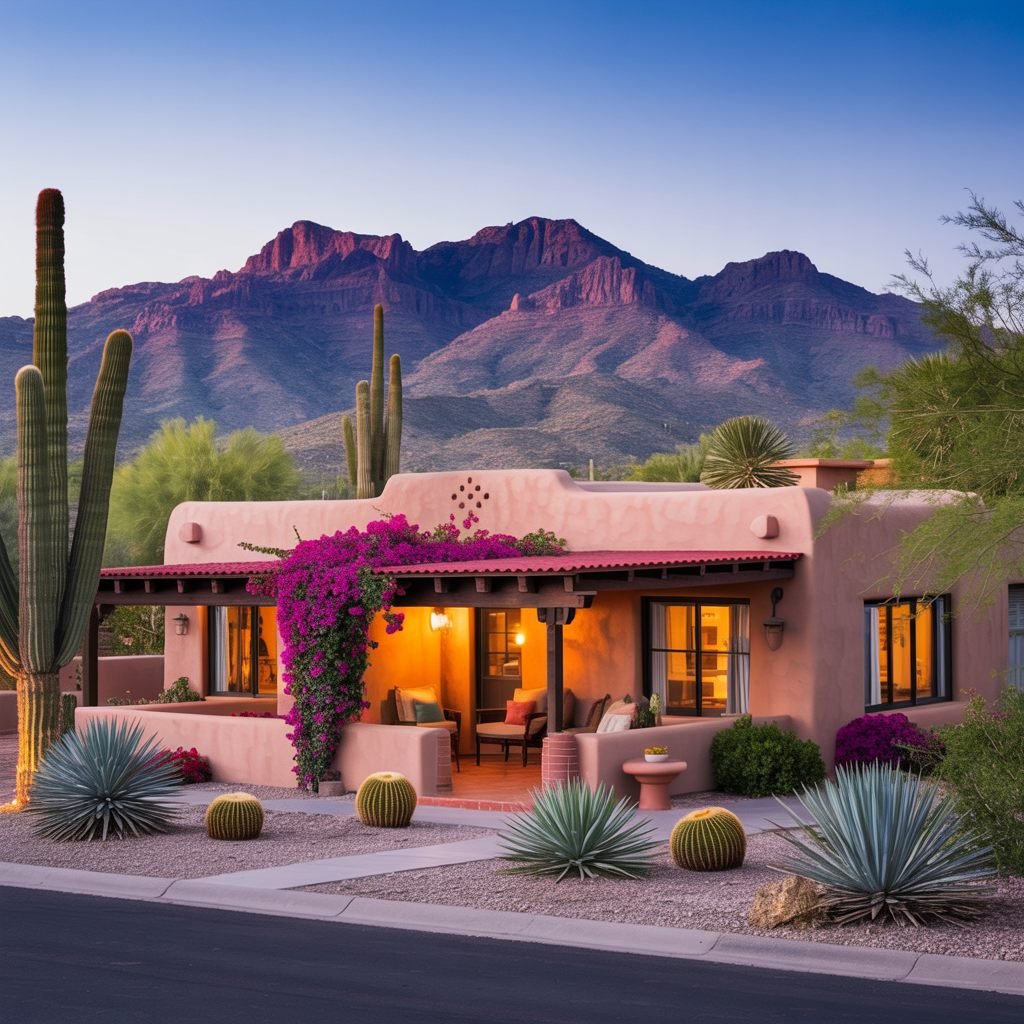
Tucson Areas
Rodent pressure is not evenly distributed across Tucson. Housing stock, elevation, vegetation and proximity to…
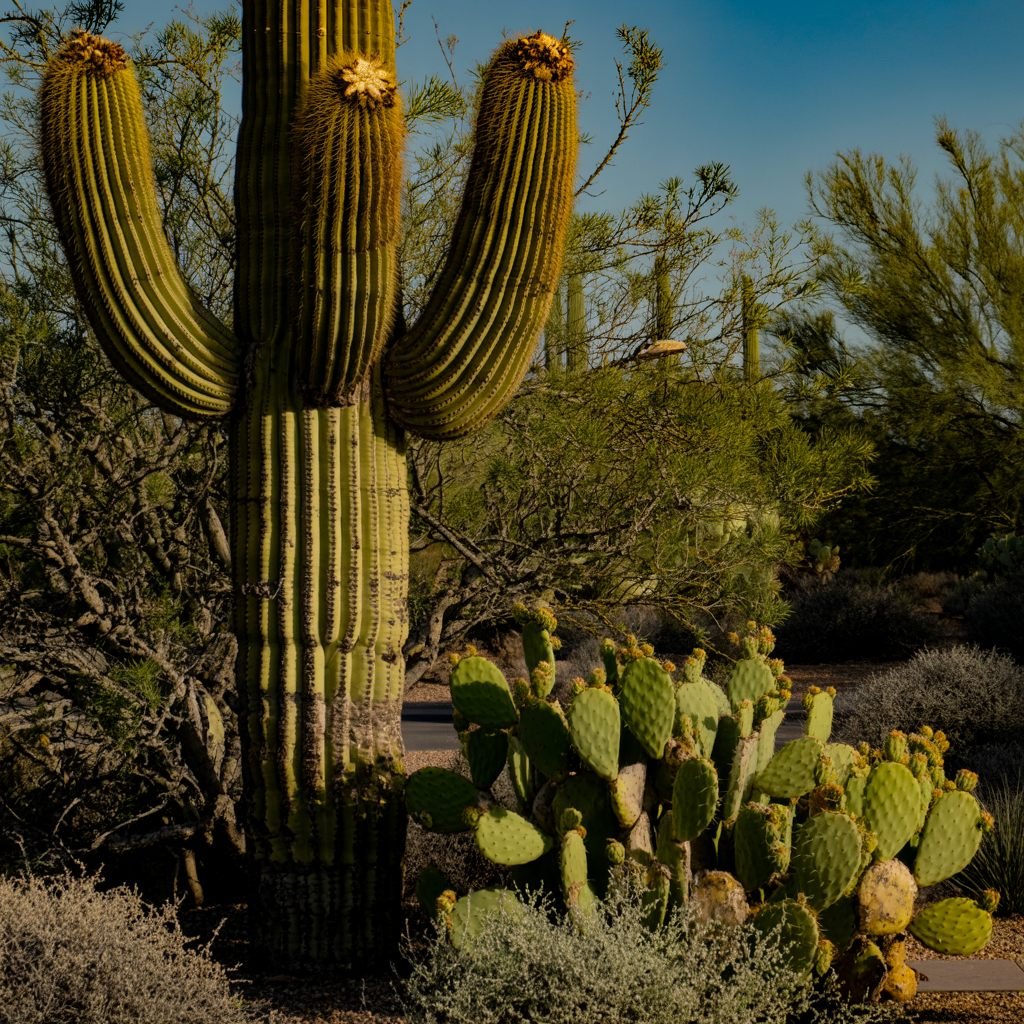
Catalina Foothills
Large lots, desert washes and mature tile roofs. The Foothills get both species at once, which is why partial …
Tanque Verde
Wash corridors, acreage and outbuildings. Tanque Verde properties have more structures than the average lot, a…
Oro Valley
Newer construction against open desert. Oro Valley homes are usually well built and still get pack rats, becau…
Vail
Open desert on every side, acreage lots and a lot of stored equipment. Vail is pack rat country, and the vehic…
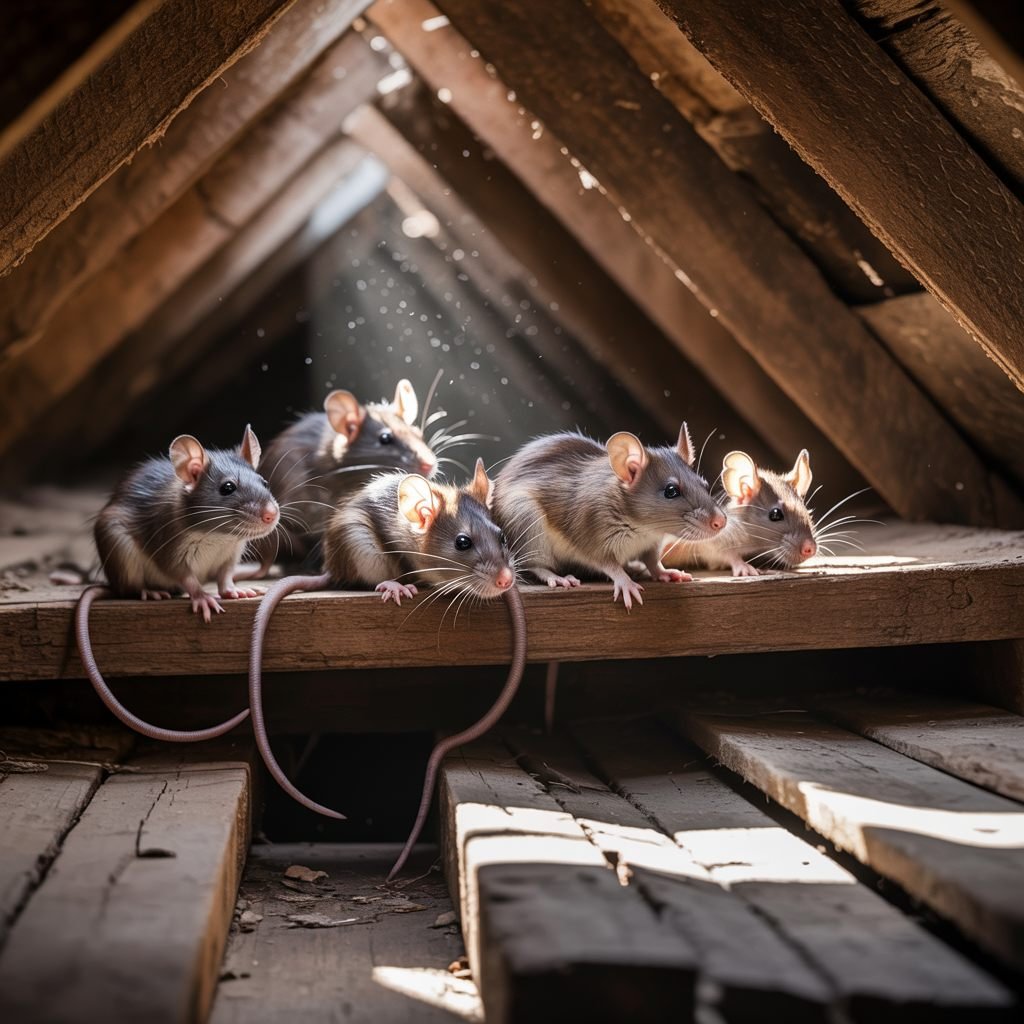
Sam Hughes
Mature citrus, historic construction and a canopy that connects half the neighbourhood. Sam Hughes is roof rat…