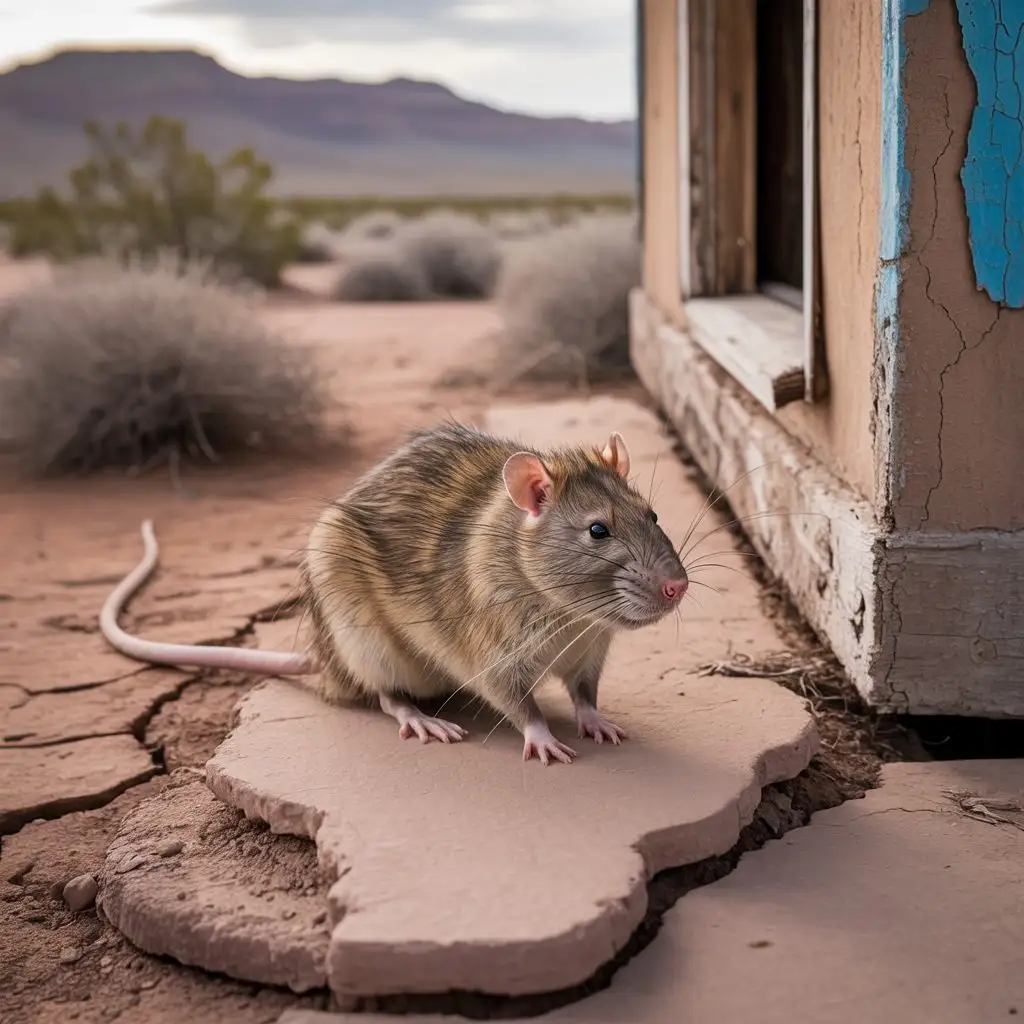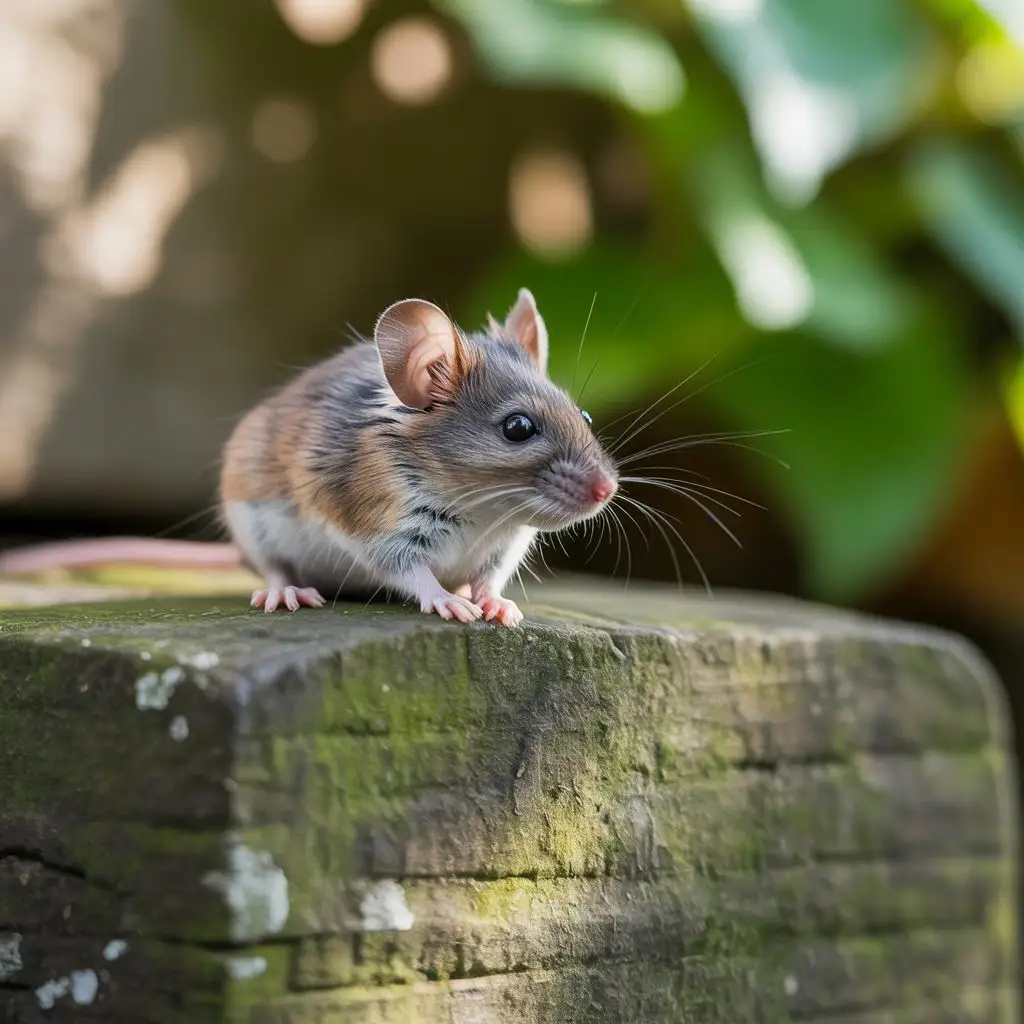
Most rodent questions in Tucson start the same way: “What is this thing?” The answer decides everything that follows, because a kangaroo rat in the yard needs nothing, a roof rat in the attic needs the roofline sealed, and a pack rat under the hood needs its nest and scent trail cleared. This chart covers the rodents you are most likely to meet around a home in the Tucson basin.
The chart
| Rodent | Body length (approx.) | Tail | Where you see it | Comes indoors? |
|---|---|---|---|---|
| Roof rat | 6–8 in | Scaly, nearly bare, longer than the body | Attics, rooflines, palms, citrus | Yes |
| Norway rat | 7–10 in | Scaly, shorter than the body | Ground level, sewers, commercial buildings | Sometimes |
| Pack rat (woodrat) | 6–9 in | Furry | Middens, engine bays, cactus, woodpiles | Yes: garages, attics, vehicles |
| House mouse | 2.5–3.5 in | Thin, nearly hairless | Kitchens, garages, wall voids | Yes |
| Deer mouse / cactus mouse | 3–4 in | Haired, often two-toned | Sheds, garages, RVs, open desert | Occasionally |
| Kangaroo rat | 3.5–4 in | Very long, with a tuft at the tip | Open sandy ground, hopping at night | Rarely |
| Round-tailed ground squirrel | 5.5–6.5 in | Thin and round | Burrows in yards and roadsides, by day | Rarely |
| Rock squirrel | 10–11 in | Bushy | Rocky slopes, block walls, by day | Occasionally |
| Pocket gopher | 5–7 in | Short, nearly bare | Underground; fan-shaped soil mounds | No |
Three questions that narrow it down fast
1. Day or night?
Ground squirrels and rock squirrels are active by day. Rats, mice, pack rats and kangaroo rats are mostly nocturnal. If you are watching it at lunchtime, it is almost certainly a squirrel.
2. What does the tail look like?
The tail is the single most useful feature. Bare and scaly points to a roof rat, Norway rat or house mouse. Furry points to a pack rat. Very long with a tufted tip, on an animal that hops, is a kangaroo rat. Our roof rat vs pack rat guide goes deeper on the most common mix-up.
3. Where is the evidence?
Droppings and noise overhead point to roof rats. A pile of sticks and cactus joints against a wall is a pack rat midden. Fan-shaped mounds of fresh soil with no open hole are gophers. Open holes in the yard need a closer look; see rat, gopher or ground squirrel.
Which ones are a problem?
For a house, the three that matter are roof rats, pack rats and house mice. They are the ones that get inside, chew wiring and contaminate insulation. Norway rats are uncommon in residential Tucson but do turn up around commercial buildings and older infrastructure.
Kangaroo rats, ground squirrels and gophers are yard animals. They can be a nuisance in gardens, but they rarely justify structural work. Deer mice and cactus mice sit in between: they do not usually live in homes, but they do get into sheds, garages and RVs, and their droppings carry a hantavirus risk, so cleanup needs care. See hantavirus in Arizona.
When identification is not enough
If you have droppings indoors, noise in the ceiling or a nest in the car, the species tells you how to fix it, but the fix is still the same three steps: find every entry point, seal it, then clear what is inside. A free inspection confirms the species and photographs each entry point.
Common questions
What is the most common rodent in Tucson homes?
Pack rats and roof rats are the two most common in and around Tucson homes, with house mice close behind. Which one you get depends heavily on whether you live near open desert or mature trees.
Are kangaroo rats dangerous to my house?
Rarely. Kangaroo rats live in burrows in open ground and almost never come indoors. They are native desert animals and usually do not need control.
How can I tell a rat from a ground squirrel?
Ground squirrels are active in daylight, sit upright and dart between burrows. Rats are mostly active at night and travel along walls, fences and rooflines.
Still not sure which rodent it is?
Our rodent control in Tucson starts with identifying the species, because the fix depends on it. See what rodent control costs in Tucson for real price ranges, or book a free inspection: species, every entry point and the scope in writing before anyone quotes you a number.