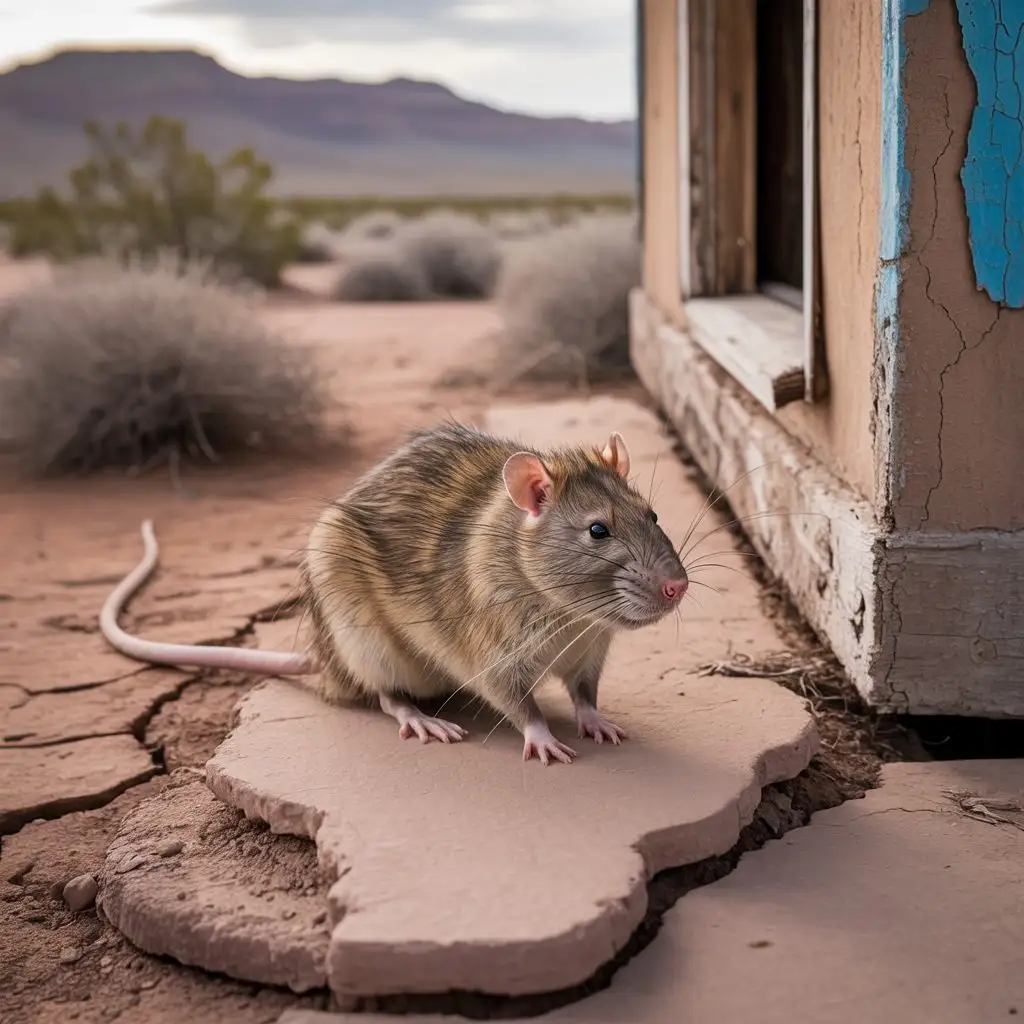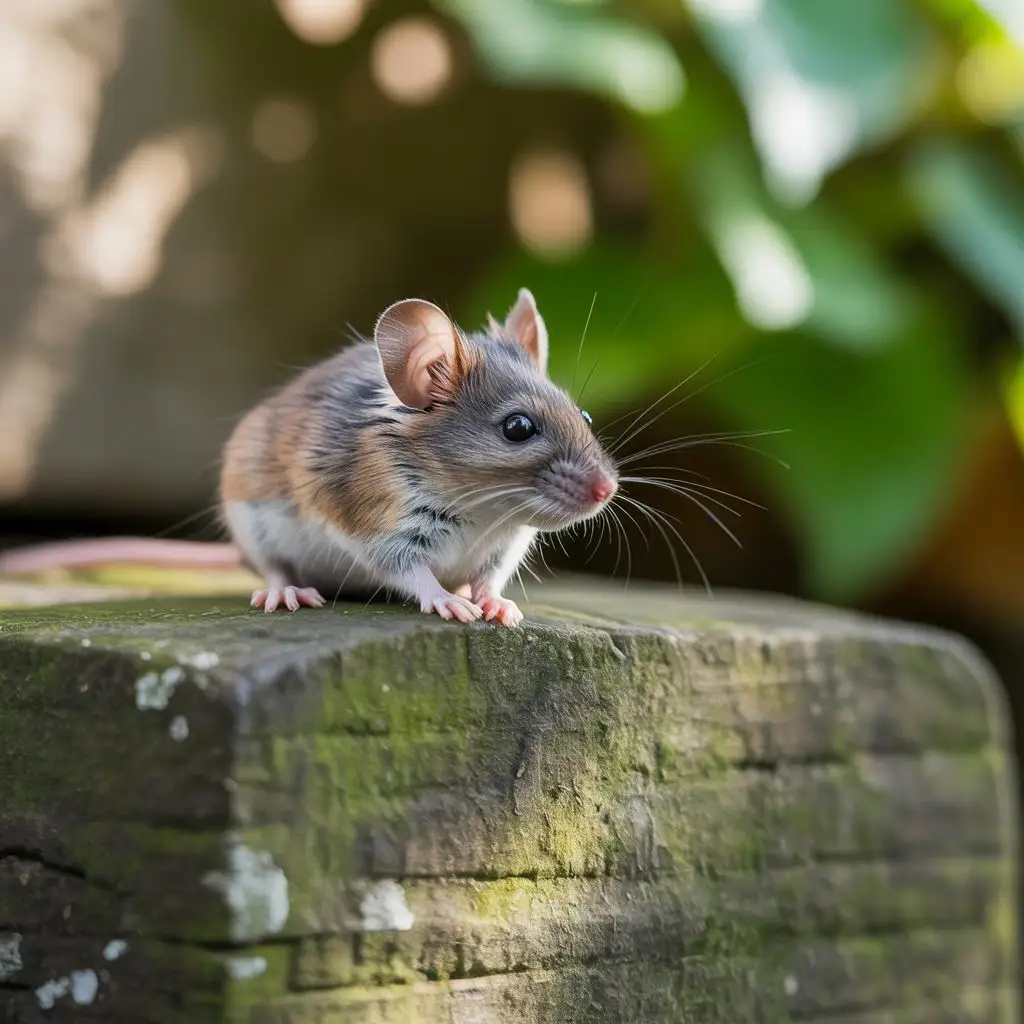
You have found holes in the yard and assumed rats — but in Tucson, a hole in the ground could be several different animals, and the right response depends on which. Here is how to tell them apart before you treat the wrong thing.
Pack rat burrows and middens
A pack rat does not usually dig an open, obvious hole in the middle of the lawn. Its signature is the midden — a mound of sticks, cactus joints, gravel and debris — built against cover: a wall, a cactus, a woodpile, under a shed. There is often a burrow entrance within or beneath the midden. If the hole is associated with a debris pile against a structure, think pack rat. This is the one we handle.
Gopher holes
Pocket gophers leave crescent- or fan-shaped mounds of loose soil with the hole plugged off to one side, not open. They push soil up as they tunnel and rarely leave the burrow open. Gophers damage roots, irrigation and lawns but are a landscaping/turf issue rather than a structure-invading rodent — they do not come into the house.
Ground squirrel holes
Round-tailed and rock ground squirrels dig open, clean burrow entrances, often several, sometimes with a little soil apron but not the plugged crescent of a gopher. They are active in daylight (unlike nocturnal rats), so if you see the animal at midday, it is likely a ground squirrel. They can undermine walls and foundations but are again primarily a yard animal.
Quick comparison
| Sign | Likely animal | Comes indoors? |
|---|---|---|
| Stick-and-debris mound against cover | Pack rat (midden) | Yes — attic, garage, vehicles |
| Crescent soil mound, plugged hole | Pocket gopher | No |
| Open round burrow, active by day | Ground squirrel | Rarely |
Why it matters
The identification changes the plan entirely. A pack rat problem means midden removal, trapping and sealing the structure, because the animal will target your attic, garage and vehicles. Gophers and ground squirrels are turf and landscaping matters, handled differently and usually by a different specialist. Treating a gopher mound as a rat problem — or ignoring a pack rat midden as “just a hole” — both waste effort.
When to call us
If the sign points to a pack rat — a midden against a wall, cactus or woodpile, or activity around the house and vehicles at night — that is our job. Open daytime burrows in the open lawn are more likely a turf pest. When in doubt, a quick inspection settles it.
Quick answers
Do pack rats dig holes in the lawn?
Not usually in the open — their signature is a stick-and-debris midden against cover, often with a burrow beneath it, rather than a bare hole in the grass.
How do I tell a gopher from a ground squirrel hole?
Gophers leave crescent mounds with plugged holes and work unseen; ground squirrels leave open round burrows and are active in daylight.
Which of these gets into the house?
Pack rats — they target attics, garages and vehicles. Gophers and ground squirrels stay outdoors as yard pests.
Not sure what is digging in your yard? Book a free inspection and we will identify it and tell you straight whether it is our job.
Still not sure which rodent it is?
Our rodent control in Tucson starts with identifying the species, because the fix depends on it. See what rodent control costs in Tucson for real price ranges, or book a free inspection: species, every entry point and the scope in writing before anyone quotes you a number.