
Most people arrive here having found evidence rather than an animal — droppings in a drawer, a noise overhead, a pile of sticks under the truck. This page is built to work from that evidence.
The reason it matters: a plan built for one of these species will underperform badly against the others. Roof rat work happens at the roofline. Pack rat work happens in the yard. Mouse work happens at 6 mm gaps around the kitchen and garage. Get it wrong and the treatment genuinely fails.
The full comparison
| Pack Rat | Roof Rat | House Mouse | |
|---|---|---|---|
| Scientific name | Neotoma spp. | Rattus rattus | Mus musculus |
| Native to Arizona | Yes | No — introduced | No — introduced |
| Total length | 12–14 in. | 13–18 in. | 5–7 in. |
| Tail | Furry, often bushy | Bare, scaly, longer than body | Thin, lightly haired |
| Fur | Soft cinnamon-grey, pale belly | Coarse dark grey to black | Grey-brown, pale belly |
| Climbs well | Moderate | Exceptionally | Moderate |
| Usual location | Yard, woodpile, cactus, engine bay | Attic, roofline, tree canopy | Kitchen, garage, wall void |
| Nest type | Midden — sticks, cactus, debris | Compact ball of shredded insulation | Small nest of shredded paper/fabric |
| Droppings | 10–15 mm, blunt ends | 10–13 mm, pointed ends | 3–6 mm, rice-grain |
| Dropping pattern | Concentrated near midden | Scattered along elevated runs | Scattered near food and edges |
| Damages vehicles | Frequently | Occasionally | Rarely |
| Damages attics | Occasionally | Frequently | Occasionally |
| Kissing bug link | Yes — middens | No | No |
| Primary treatment | Midden removal + habitat | Roofline exclusion + canopy | 6 mm gap sealing |
If you have only seen the droppings
Size separates mice from rats immediately — roughly a threefold difference, and there is no ambiguity in person. Rice-grain sized means house mouse.
For the two rats, use distribution rather than shape, because the shape difference (pointed versus blunt) is subtle. Scattered along a beam, pipe run or duct line means a travel route at height — roof rats. Concentrated in a pile near a debris accumulation means a latrine near a midden — pack rats.
Full guide with the common lookalikes: droppings identification.
If you have only found the nest
This is the fastest tell of all, because the three nests look nothing alike.
A midden is large, messy and obvious — sticks, cactus pads, leaf litter and collected objects, often with something shiny worked in, built against a wall or under a deck. Only pack rats build these.
A roof rat nest is a compact ball of shredded insulation or fabric wedged into a concealed void, typically in an attic corner or soffit. Nothing is collected or displayed.
A mouse nest is the same idea at a third of the scale, usually behind an appliance, inside a cabinet base or in a stored box.
If you have only heard something
Location is the clue. Overhead, in the ceiling or attic, most active between dusk and 2 a.m. — roof rats. In the walls at floor level or behind kitchen units — mice. Under the floor, in a crawl space, in the garage at ground level, or scrabbling near a parked vehicle — pack rats.
Volume is a weak signal but not useless: rats are audibly heavier and you will often hear distinct dragging or rolling as they move material.
Why the treatments cannot be swapped
Pack rats are a yard problem first. Removing animals without removing the midden leaves an attractive, scent-marked site that gets reoccupied. Work centres on midden removal with PPE, habitat modification and sealing at grade.
Roof rats are a roofline problem. Ground-level effort largely misses them because they largely do not use the ground. Work centres on tile terminations, vent screens, canopy clearance and trapping along elevated runs.
House mice are a gap problem. Because 6 mm is enough, partial sealing achieves very little. Work centres on a systematic sweep of penetrations, seals and kickboards.
Can you have two at once?
Yes, and on foothill properties it is common — pack rats in the yard and vehicles, roof rats in the attic, sometimes mice in the garage. That is three plans on one address, and it is the most frequent reason a homeowner believes a previous treatment failed when in fact it only addressed one of the three.
Cost differences between the three
Worth knowing, because the species determines the shape of the invoice as much as the shape of the plan.
House mice are usually the least expensive, provided the problem is caught early. The work is a systematic sweep of 6 mm gaps at ground level plus a short trapping run. No height work, no midden removal, rarely any decontamination.
Roof rats cost more because the work is at height. Roofline exclusion means ladders or roof access, more points to seal, and frequently attic decontamination on top, since an established attic population saturates insulation.
Pack rats vary the most. A single midden away from the house is a modest job. Multiple middens across an acreage property, with vehicles involved and PPE-controlled removal, is the largest of the three.
Full ranges on our pricing page.
What changes if you guess wrong
Concretely, so the stakes are clear.
Treating roof rats as pack rats means effort goes into the yard while the roofline stays open. Middens get cleared that were never the problem, and the attic population continues undisturbed.
Treating pack rats as roof rats means the roofline gets sealed — no harm done, but the midden is untouched, so the yard population persists and vehicles keep getting nested in.
Treating rats as mice means undersized traps that injure rather than kill, producing suffering animals and trap-wary survivors, and sealing to a 6 mm standard when 12 mm openings are the actual route.
In all three cases the homeowner concludes the treatment failed. It did not fail — it addressed a different problem from the one they had.
If you would rather not guess, a free inspection confirms the species, the entry points and the scale in one visit, with photographs of everything found.
Want it confirmed properly?
A free inspection identifies the species, every entry point and the scope of work — with photographs, in writing, before anyone quotes a figure.
Explore this section
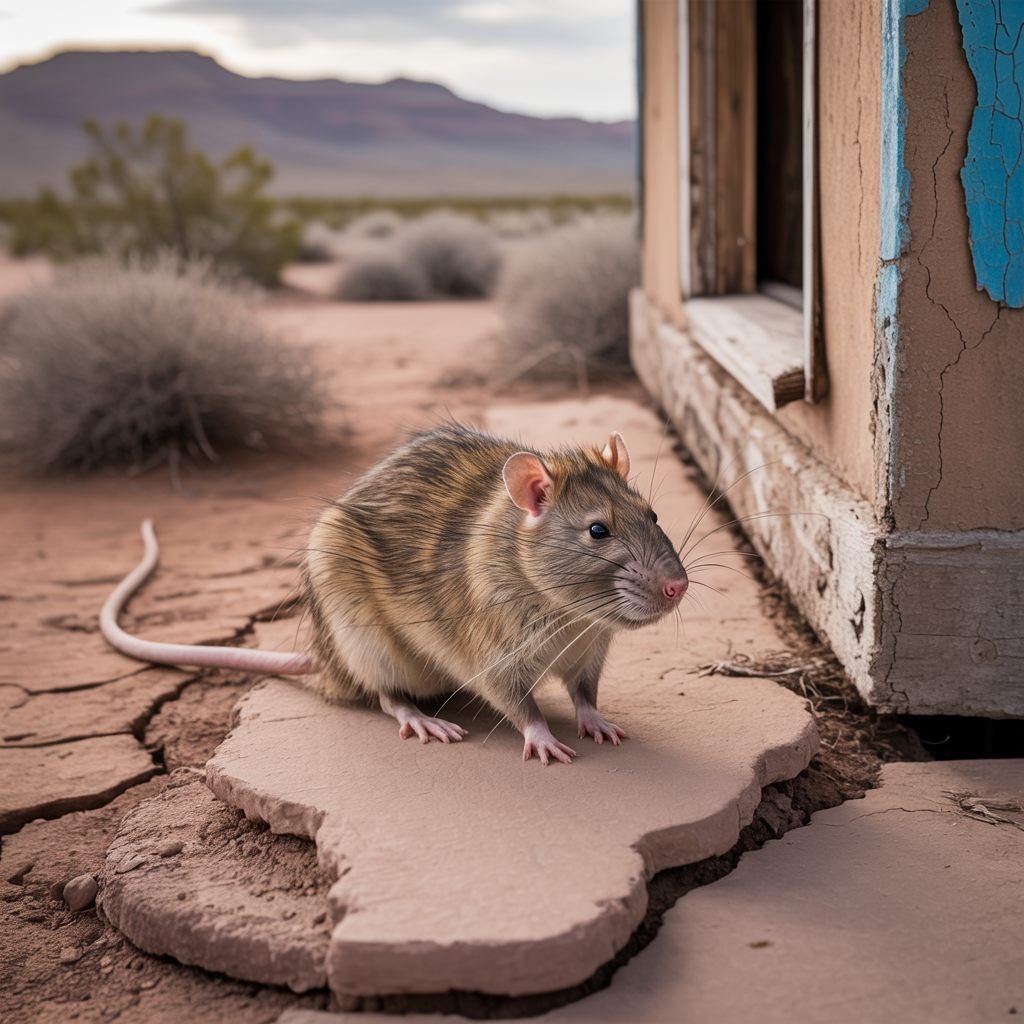
Rodents
Four species, four completely different problems. Start here to work out which one you are dealing with before…

Pack Rats
Native, protected by nothing but common sense, and responsible for most of Tucson's chewed car wiring. Pack ra…
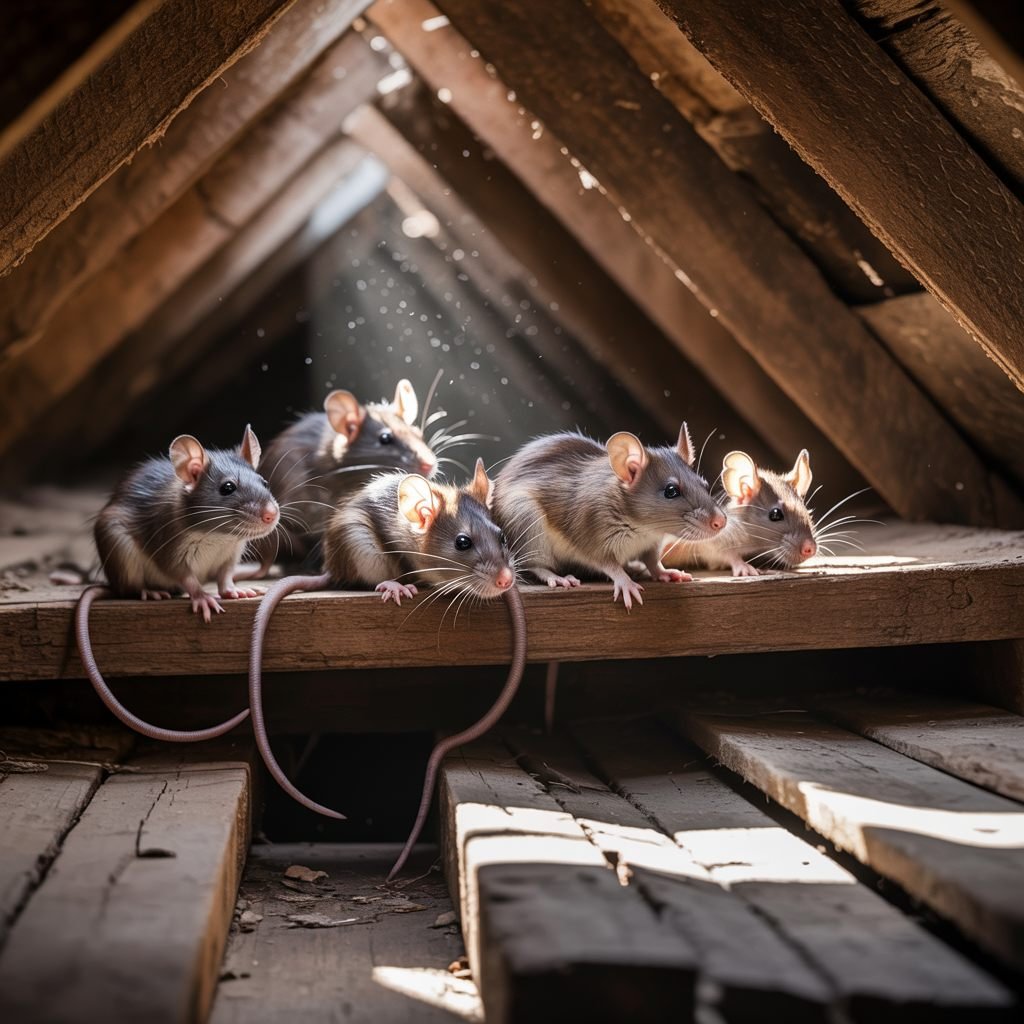
Roof Rats
The scratching in your attic is almost certainly this species. Roof rats travel above ground, enter at the roo…
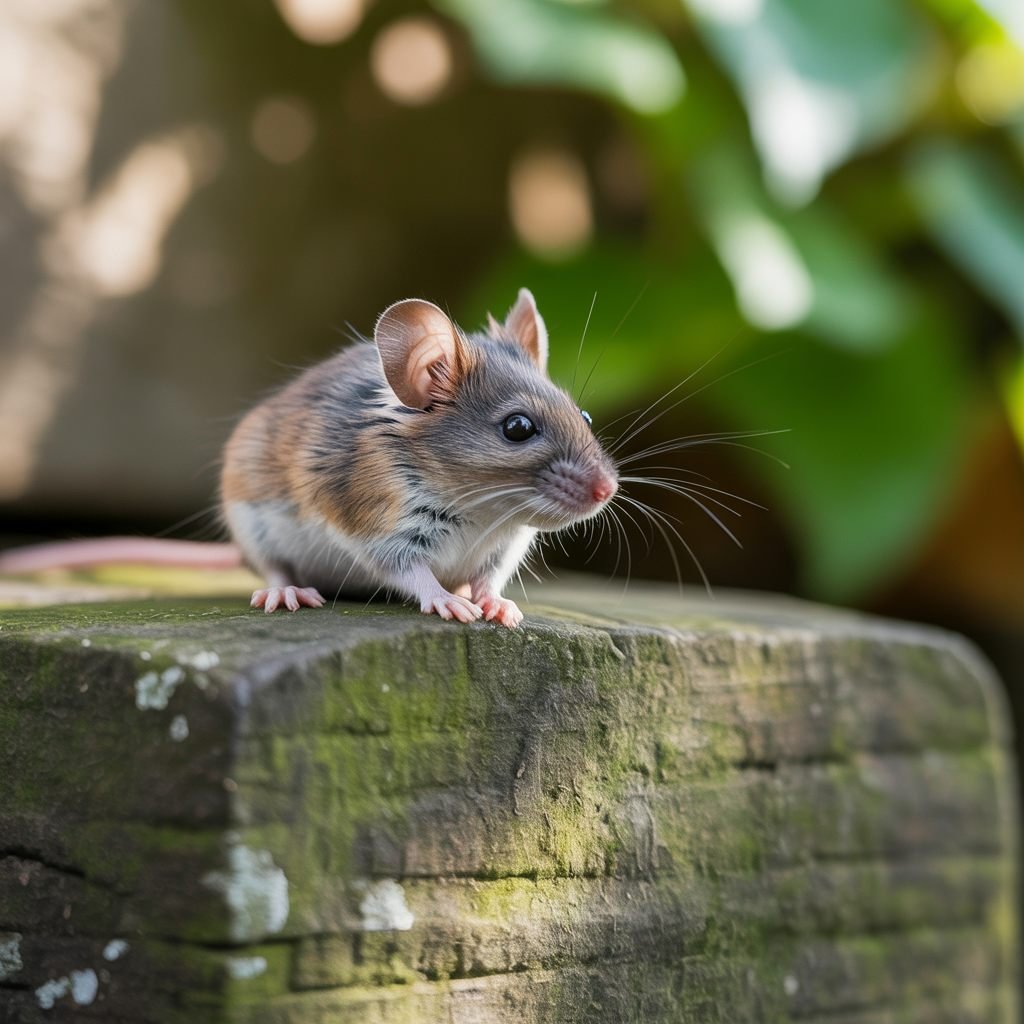
House Mice
The smallest of the three pests and the fastest to multiply. Caught in week one this is a manageable job; left…

Kangaroo Rats
One of the few pages on this site that mostly tells you not to spend money. Kangaroo rats are native, remarkab…