
Kangaroo rats (Dipodomys species) are native Sonoran Desert rodents, and despite the name they are not closely related to the rats causing problems in Tucson attics. They belong to family Heteromyidae, a separate lineage from the true rats and mice of family Muridae.
We have written this page mainly to save people money. Kangaroo rats are one of the most commonly misidentified animals we get called about, and in the large majority of cases the correct advice is to leave them alone.
Identification
- Movement: they hop on oversized hind legs rather than running on all fours. Once you have seen it, nothing else looks like it.
- Tail: longer than the body, with a distinct tuft of longer hair at the tip
- Hind legs: disproportionately large and powerful
- Head: large eyes set high, external fur-lined cheek pouches for carrying seeds
- Fur: sandy or buff above, white below — desert camouflage
- Active: strictly nocturnal, in open ground rather than structures
Compare with a pack rat, which is stockier, runs on all fours, and builds obvious debris middens; or a house mouse, which is much smaller and lives indoors.
The thing they are famous for
Kangaroo rats can live their entire lives without drinking free water. They extract what they need metabolically from dry seeds, and their kidneys concentrate urine to an extraordinary degree to avoid losing it. They also plug their burrow entrances during the day, which traps humid air from their own respiration and reduces water loss further.
This matters practically, not just as trivia. Every other rodent on this site is drawn toward your property partly by water — drip irrigation, AC condensate, leaking hose bibs, pet bowls. Kangaroo rats are not. Removing water sources, which is one of our standard recommendations for every other species, will not move them, because they were never coming for it.
Why they are almost never a home problem
Kangaroo rats are burrowing animals of open desert. They do not climb to rooflines, they do not nest in wall voids or attics, and they do not chew into structures the way roof rats and pack rats do. Their food is seeds, gathered from open ground and cached in burrows.
If you are hearing something in your attic, it is not a kangaroo rat. If you have found chewed wiring in your engine bay, that is a pack rat. If there are droppings in your pantry, that is a house mouse. The kangaroo rat you saw hopping across the driveway at night is almost certainly unrelated to any of it.
When they genuinely are a nuisance
There are legitimate cases, and they are all outdoor and all about digging:
- Burrows in landscaping — mounds and entrance holes in decomposed granite, garden beds or lawn areas
- Seed and new planting loss — freshly sown seed and young plants taken as food
- Undermining — burrow systems adjacent to patio slabs, footings or retaining walls, which occasionally causes settlement over time
- Horse and livestock property — burrow holes in paddocks are a genuine injury risk
Even here, the fix is usually habitat management rather than removal: reduce spilled birdseed and livestock feed, avoid leaving loose seed accessible, use hardware cloth beneath new plantings, and backfill and compact burrows adjacent to structures.
A note on conservation
Not all Dipodomys species are equally common. Some kangaroo rat species elsewhere in the Southwest are subject to conservation concern and legal protection, and species-level identification is not something to guess at from a night-time glimpse.
They also matter ecologically. Kangaroo rats are a keystone seed disperser in desert systems and a primary food source for owls, snakes, foxes and bobcats. Removing them from a property does not happen in isolation.
Our position is straightforward: we will identify what you have, and if it is kangaroo rats causing no structural harm, we will tell you that and recommend habitat adjustments rather than treatment. That is a shorter invoice, and it is the correct answer.
What to do next
If you have seen a hopping, tuft-tailed rodent in the yard at night and nothing else — no attic noise, no droppings indoors, no chewed wiring — you very likely have no action to take.
If you have seen that and you have indoor signs, treat them as two separate things. The indoor problem is one of the other three species and does need attention. Start with signs of rodents to work out which.
Living alongside them
If you have kangaroo rats and no structural problem, the reasonable position is coexistence, and there are a few things that make that easier.
Accept some digging. Burrow entrances in open decomposed granite are cosmetic. Backfilling them repeatedly achieves little, since the animal simply reopens or relocates.
Protect what matters, not everything. Hardware cloth beneath new plantings and around vulnerable specimens is targeted and effective. Treating the whole yard is not.
Do not leave seed accessible. Spilled birdseed and livestock feed are what raise local density above what the habitat would otherwise support. This is the single most effective adjustment.
Keep burrows away from footings. Where a system runs directly against a slab edge or retaining wall, backfilling and compacting that section is worthwhile — the concern is settlement over time, not the animal.
Why they are worth having around
Genuinely, and this is not sentimentality. Kangaroo rats are a keystone seed disperser in Sonoran Desert systems, and they are primary prey for owls, snakes, foxes and bobcats — the same predators that suppress the pack rat population you actually do want controlled.
Reducing the natural prey base on a property tends to reduce predator presence, which is not in your interest. A yard with owls hunting over it is a yard with meaningful free rodent control, and that is worth more than a lawn without burrow holes.
If you are not sure, a free inspection settles it. We would rather spend twenty minutes confirming you do not have a problem than sell you a treatment for an animal that was never going to enter your house.
Want it confirmed properly?
A free inspection identifies the species, every entry point and the scope of work — with photographs, in writing, before anyone quotes a figure.
Explore this section
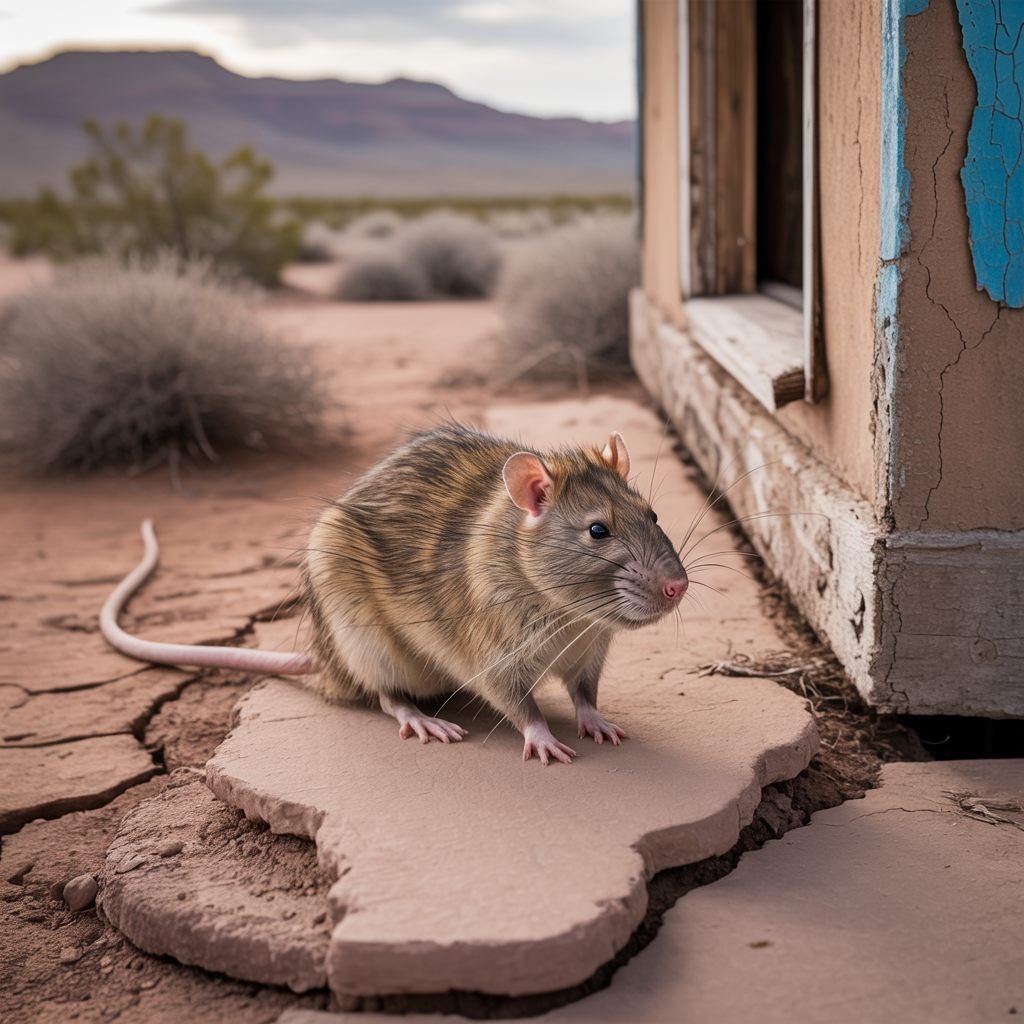
Rodents
Four species, four completely different problems. Start here to work out which one you are dealing with before…
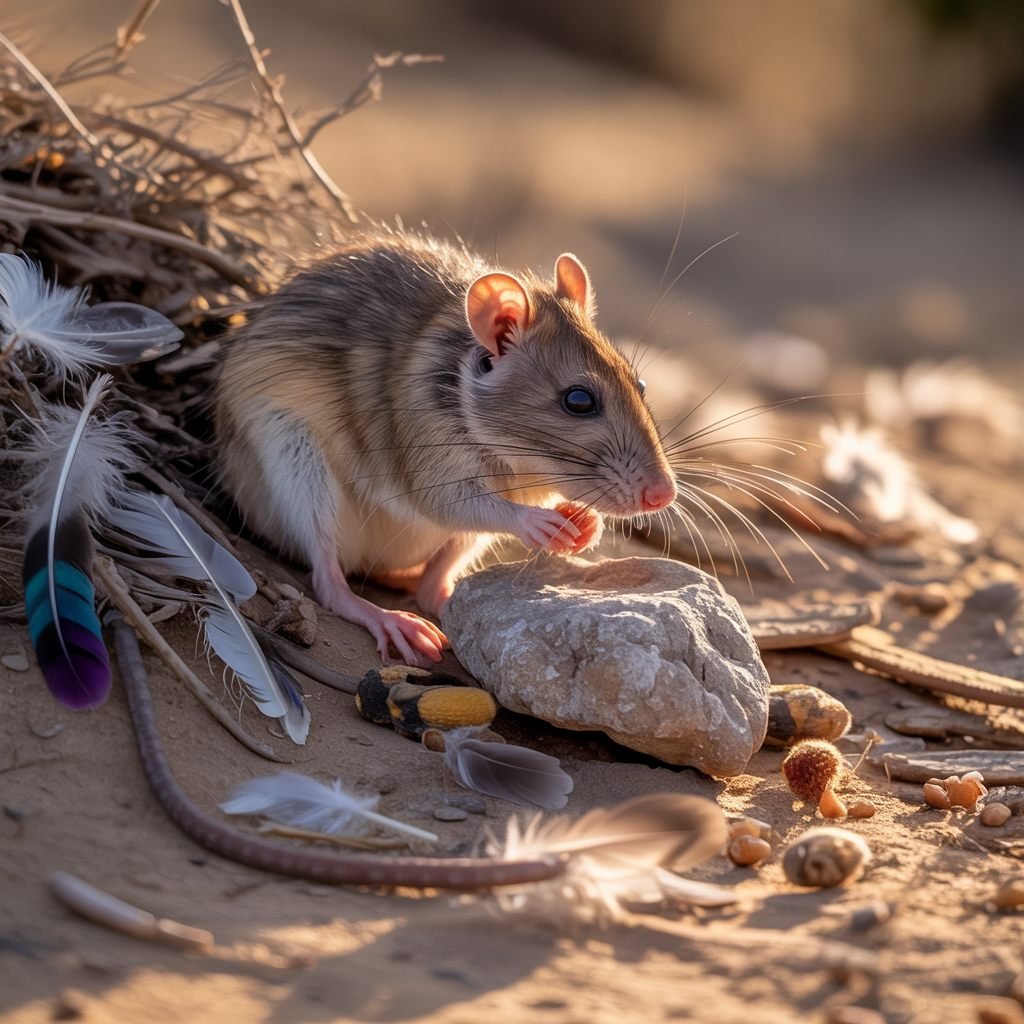
Pack Rats
Native, protected by nothing but common sense, and responsible for most of Tucson's chewed car wiring. Pack ra…
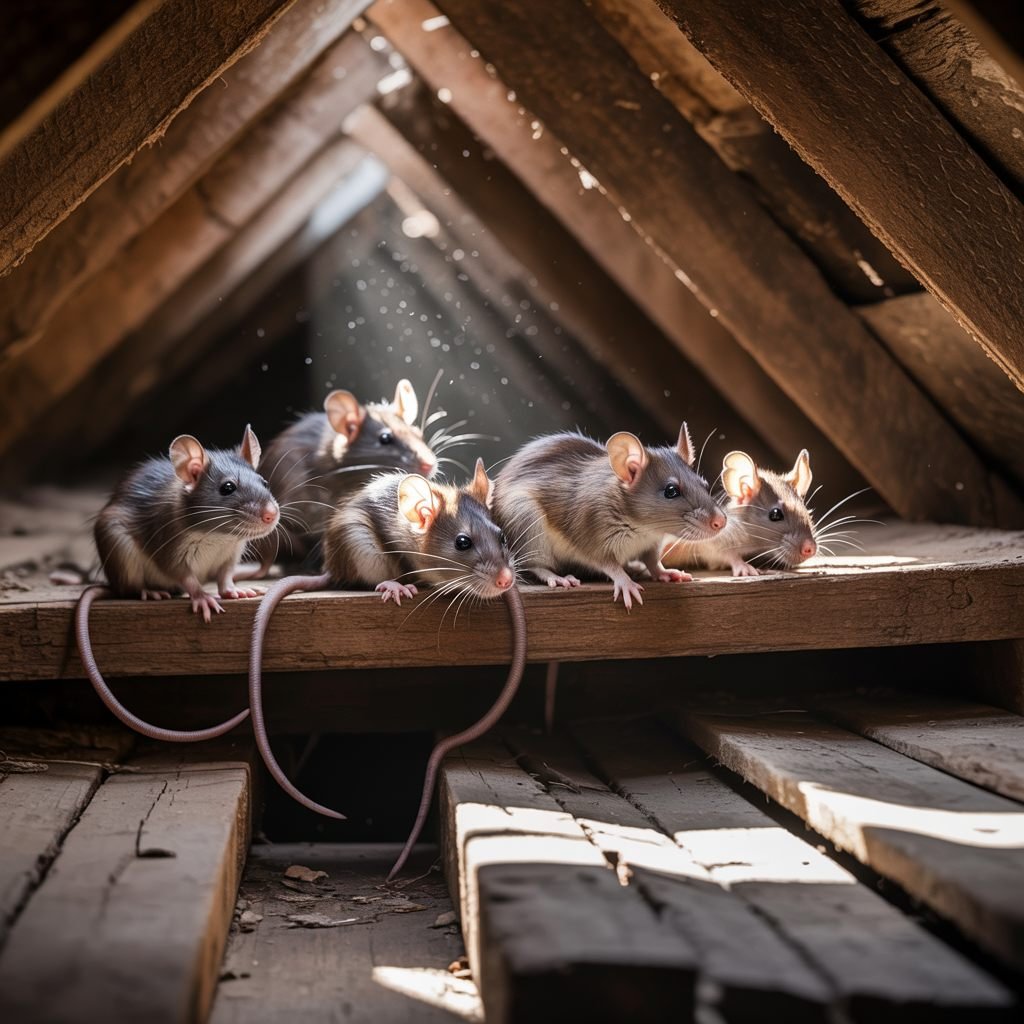
Roof Rats
The scratching in your attic is almost certainly this species. Roof rats travel above ground, enter at the roo…
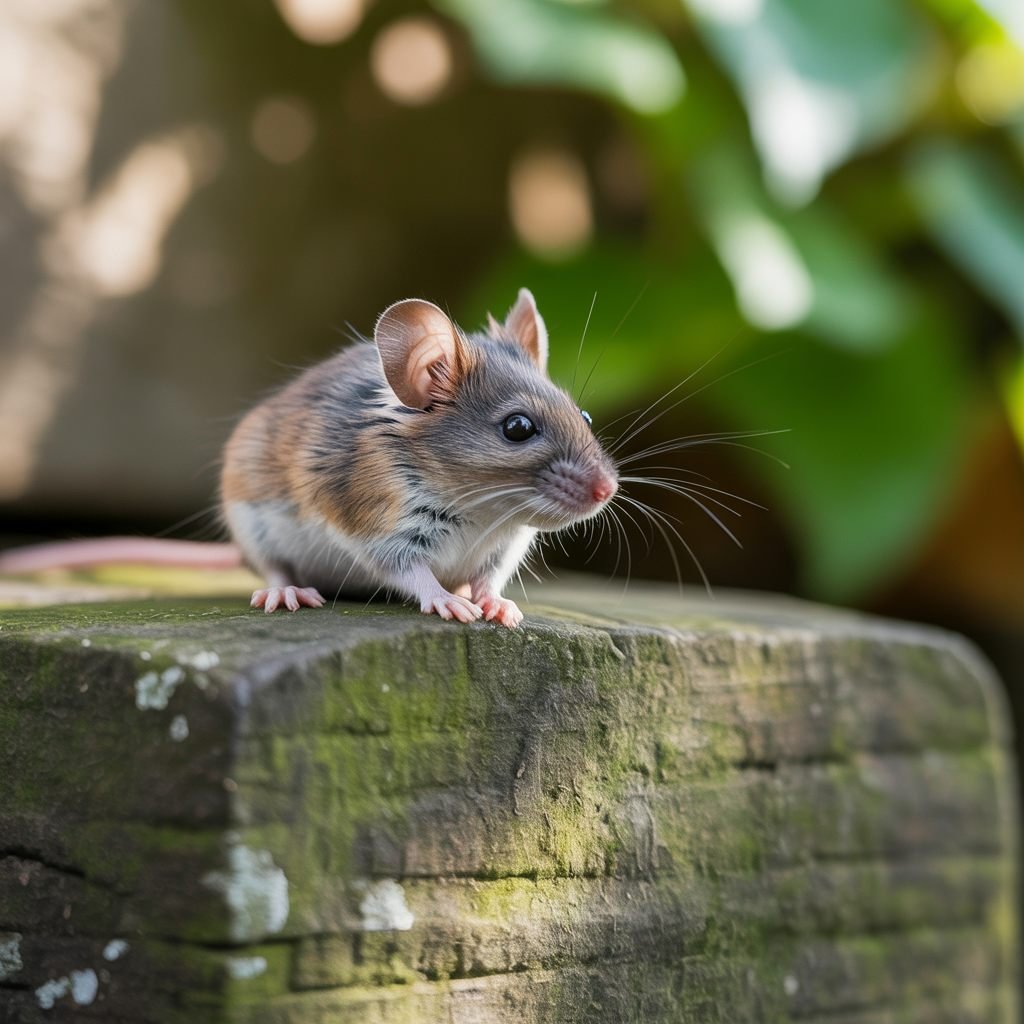
House Mice
The smallest of the three pests and the fastest to multiply. Caught in week one this is a manageable job; left…

Compare Species
Three species, three treatment plans, and a great deal of wasted money when they get confused. This page settl…