Barrel and S-tile roofs are everywhere in Tucson, and they are the single most common roof rat entry route we find. The reason is simple: the profile that makes the tile shed water also leaves open voids at every termination, and none of them are visible from ground level.
Below is what to look for. A safety note first: most of this requires a ladder and roof access. If you are not confident doing that, look from a ladder at the eave line only and leave the rest to someone with fall protection. A rodent problem is not worth a fall.
1. The eave and rake ends
Where the tile course terminates at the eave, the curve of the tile leaves a gap between tile and underlayment. It should be closed with a bird stop or eave riser. On older roofs these are frequently missing, broken or were never fitted.
This is the number one entry point. If you check nothing else, check here — walk the full perimeter looking along the underside of the tile edge.
2. Ridge and hip terminations
Mortar or foam closures at the ridge crack and fall out with thermal cycling. A missing closure at the ridge end is an opening straight into the attic space, and it is at the highest point of the roof, which is exactly where a climbing rodent wants to be.
3. Valleys
Where two roof planes meet, cut tiles rarely sit tight against the valley metal. Debris accumulates, then the gap widens. Valleys also collect leaf litter, which provides both cover and nesting material.
4. Penetrations
Plumbing vents, flues, exhaust fans, solar mounts and satellite anchors all break the tile field. Flashing boots crack with UV, and the tile cuts around them are often irregular. Check every penetration individually — this is where we find damage that was created during unrelated trade work.
5. Vent screens
Gable, soffit, dormer and O'Hagin-style roof vents should all be screened. Screens rust, tear, detach at a corner or were installed with mesh too coarse to stop a juvenile rat. A screen that looks present from ten feet away is often failed at one edge.
6. Where the roof meets a wall
On multi-level homes, the junction where a lower roof meets an upper wall is a persistent weak point. Counter-flashing, stucco termination and tile all meet there, and the detailing is often imperfect. It is also concealed and rarely inspected.
Signs that confirm an active route
Openings tell you where entry is possible. These tell you where it is happening:
- Rub marks. Dark greasy smudging on tile edges, fascia or stucco where rodents pass repeatedly. Once you know what this looks like you will spot it fast.
- Droppings in the valley or gutter. Concentrated droppings indicate a travel route, not a passing visit.
- Displaced insulation at the eave. Visible from inside the attic — look along the eave line with a torch.
- Debris in an odd place. Twigs and leaf litter accumulating where wind would not put them.
- Chewed tile edges or fascia. Gnaw marks widening an existing gap.
Inspect from inside too
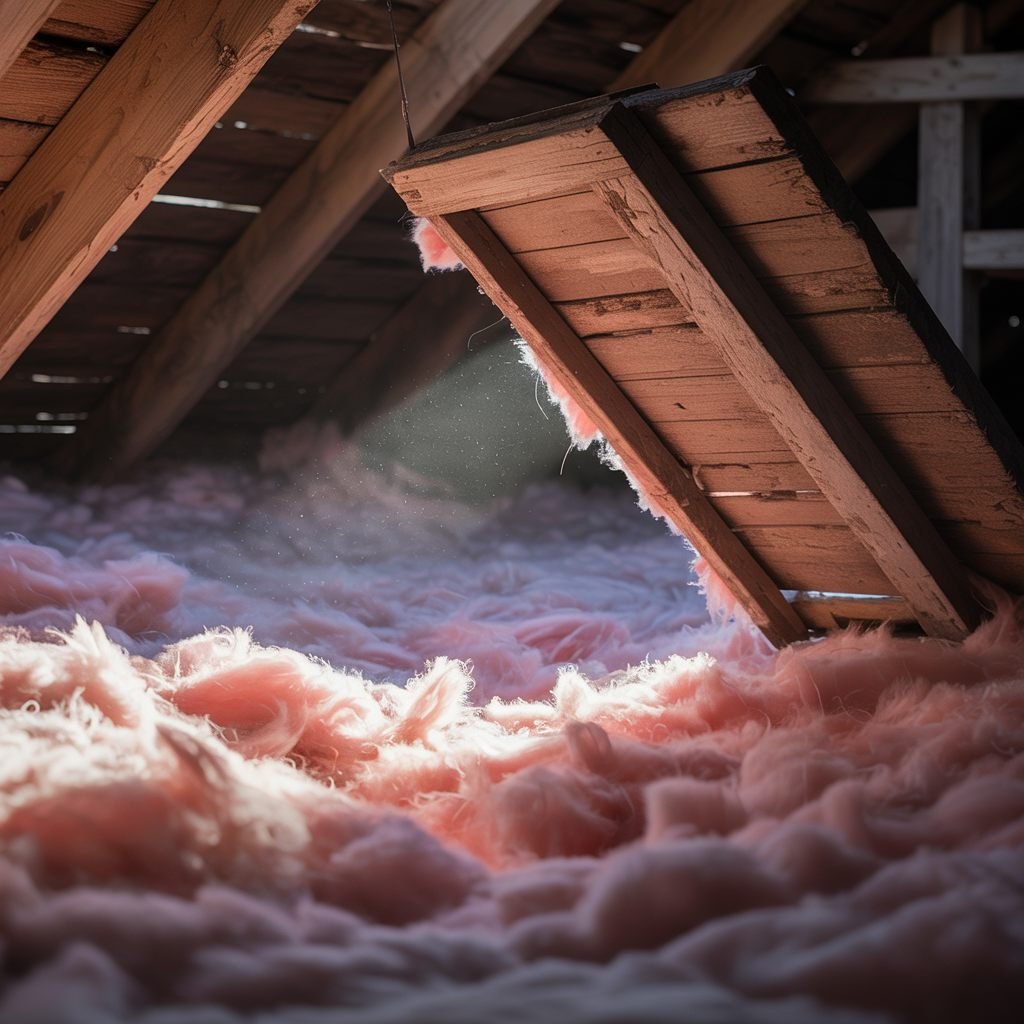
Go into the attic on a bright day, turn off your torch, and let your eyes adjust. Daylight coming through the roof plane shows you openings directly. It is the fastest diagnostic available and it costs nothing.
While you are up there, look for trails in the insulation, droppings concentrated in runs, and shredded nesting material in corners and along the eave.
What sealing correctly looks like
Rodent-rated bird stops or eave risers at terminations. Stainless mesh at anything that must stay ventilated. Mortar or appropriate closure at ridge and hip ends. Replaced flashing boots at cracked penetrations. Trimmed canopy so nothing bridges to the roof.
What it does not look like: expanding foam on its own, which rodents chew through in a matter of nights, and which on a roof also degrades quickly under UV.
Not sure what you are dealing with?
A free inspection identifies the species, every entry point and the scope of work — in writing, before anyone quotes you a number.