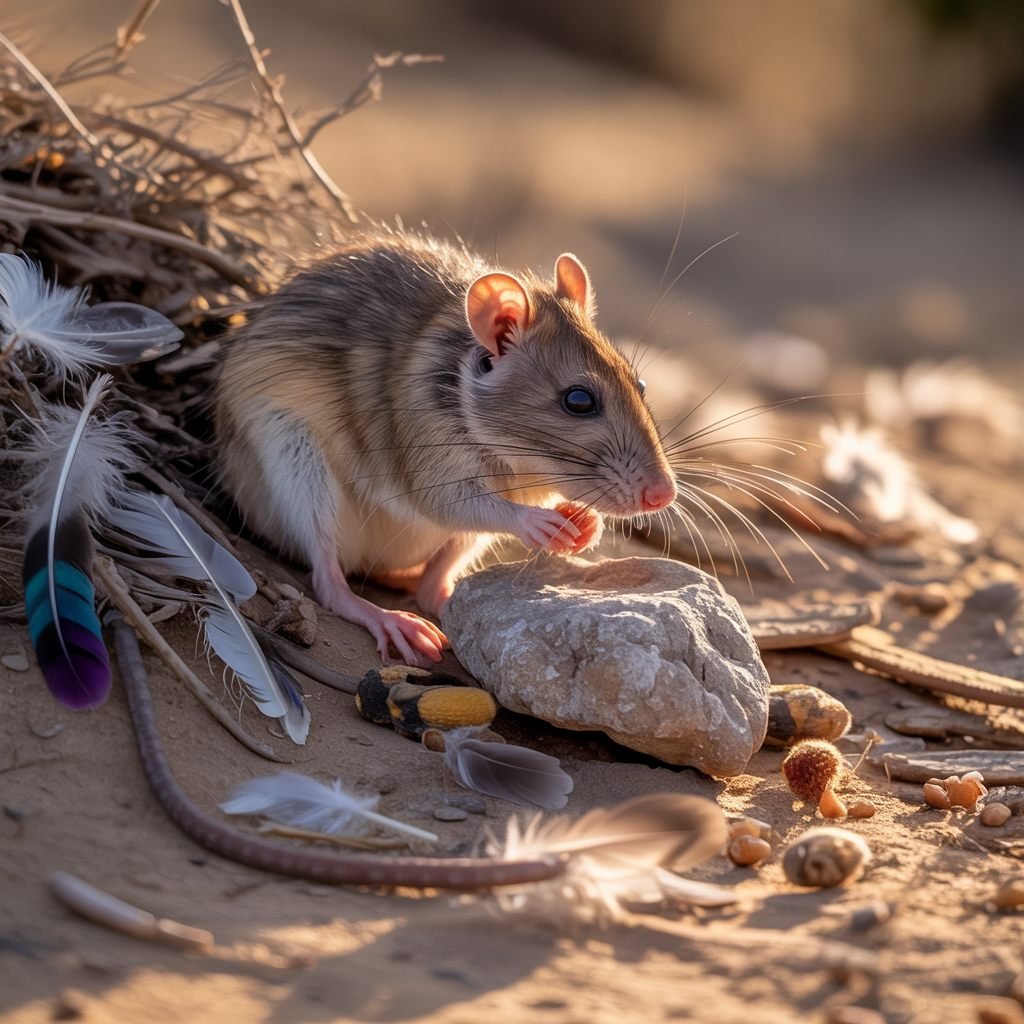
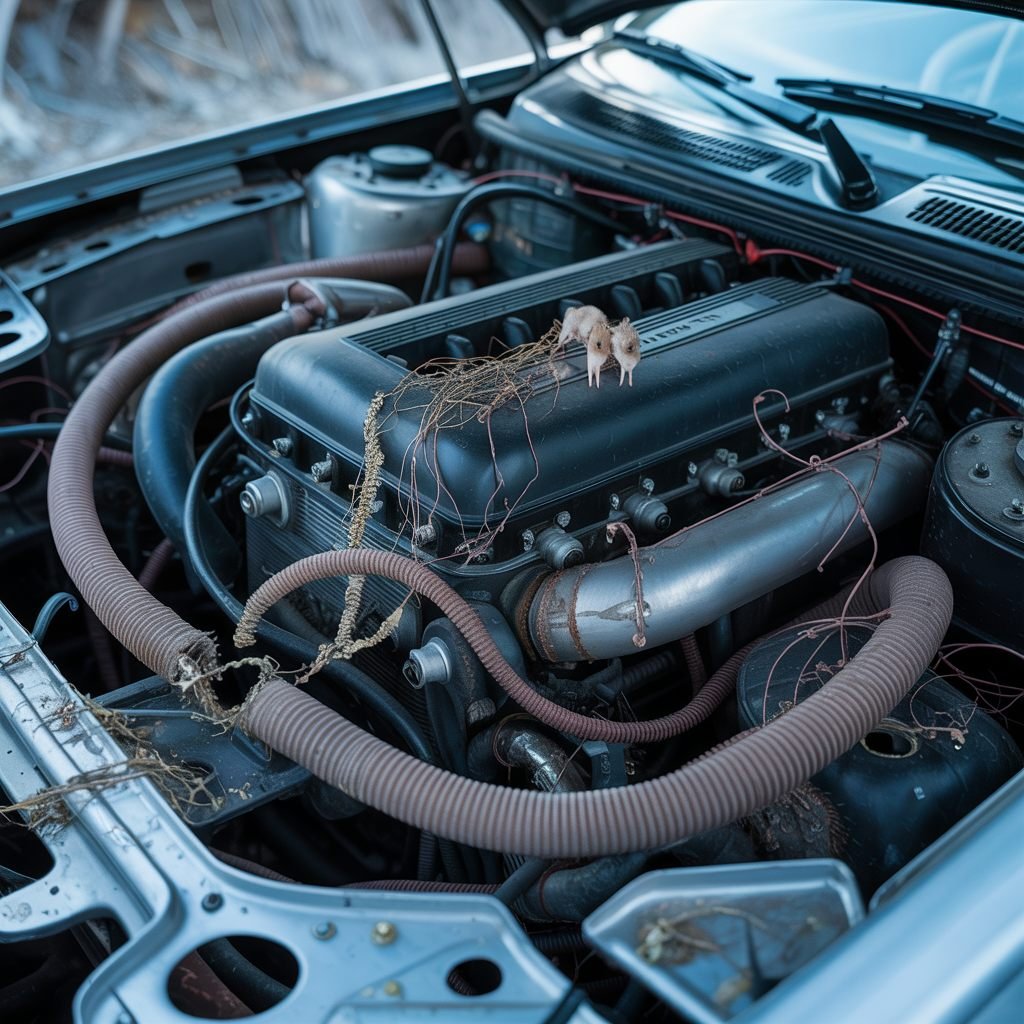
You lift the hood, find a nest and chewed wiring, and the immediate question is who pays. Here is the general landscape — with the caveat that your policy and your state's terms govern, so verify with your own insurer rather than taking a blog's word for it.
Comprehensive vs warranty
Comprehensive auto coverage commonly treats animal damage as a covered peril, and rodent damage frequently falls under it. You will owe your comprehensive deductible, so for a small repair a claim may not be worth filing.
Manufacturer warranty generally does not cover it. Rodent damage is typically classed as external or environmental rather than a defect in materials or workmanship. There has been consumer attention on soy-based wire insulation used by several manufacturers, and litigation has been attempted, but warranty denials remain common.
Liability-only policies do not cover it at all. If you carry liability only, this is out of pocket.
Document before you clean
This is the part people get wrong, because the instinct is to clear the mess immediately. Do this first:
- Photograph the nest in place, before removing anything, with several wide and close shots
- Photograph every chewed wire, hose and component clearly
- Photograph any droppings or nesting material in the bay
- Note the date you last drove the vehicle and the date you found the damage
- Keep the mechanic's written diagnosis naming rodent damage as the cause
A repair invoice that says "wiring harness replacement" without stating the cause makes a claim harder than it needs to be. Ask the shop to state it explicitly.
Why costs escalate
The parts are often inexpensive. The labour is not. Tracing a fault through a modern harness, accessing loom sections buried behind other components, and clearing the fault codes afterward all take time. Damage to a sensor or an ECU connector can push a repair well past a thousand dollars even when the visible chewing looks minor.
There is also a diagnostic tail. Intermittent electrical faults appearing weeks later can trace back to partial damage that was not obvious on the first repair.
Preventing the repeat
Insurers pay for the damage. They do not stop it happening again, and a vehicle that has been nested in once is a strong candidate for a second time — because the scent trail is still there and the habitat next to it has not changed.
The steps that matter:
- Clean the bay properly. Removing the nest is not enough. The residual scent marks the location as viable to the next animal.
- Light the engine bay at night. A drop light under the hood or beneath the car is genuinely effective and cheap.
- Move the car. Vehicles that sit get nested in. Regular movement disrupts establishment.
- Deal with the yard. Woodpiles, stacked material and dense planting within about thirty feet of where you park are the staging habitat. This is the root cause.
- Find the midden. Repeat vehicle nesting almost always means an established midden nearby that has not been located.
About rodent tape and deterrent products
Capsaicin-treated wire tape is sold for this and has mixed results. It is a reasonable supplementary measure on a vehicle that has already been hit, particularly on exposed loom sections. Treat it as one layer, not a solution — it does not address why the animal is there.
If it keeps happening
Two or more incidents is not bad luck. It means the property has an established pack rat presence with a midden you have not found. That is worth an inspection, because middens sit in predictable places — against block walls, under decks, in woodpiles, at the base of prickly pear — and they are easy to walk past for years without registering them.
Not sure what you are dealing with?
A free inspection identifies the species, every entry point and the scope of work — in writing, before anyone quotes you a number.