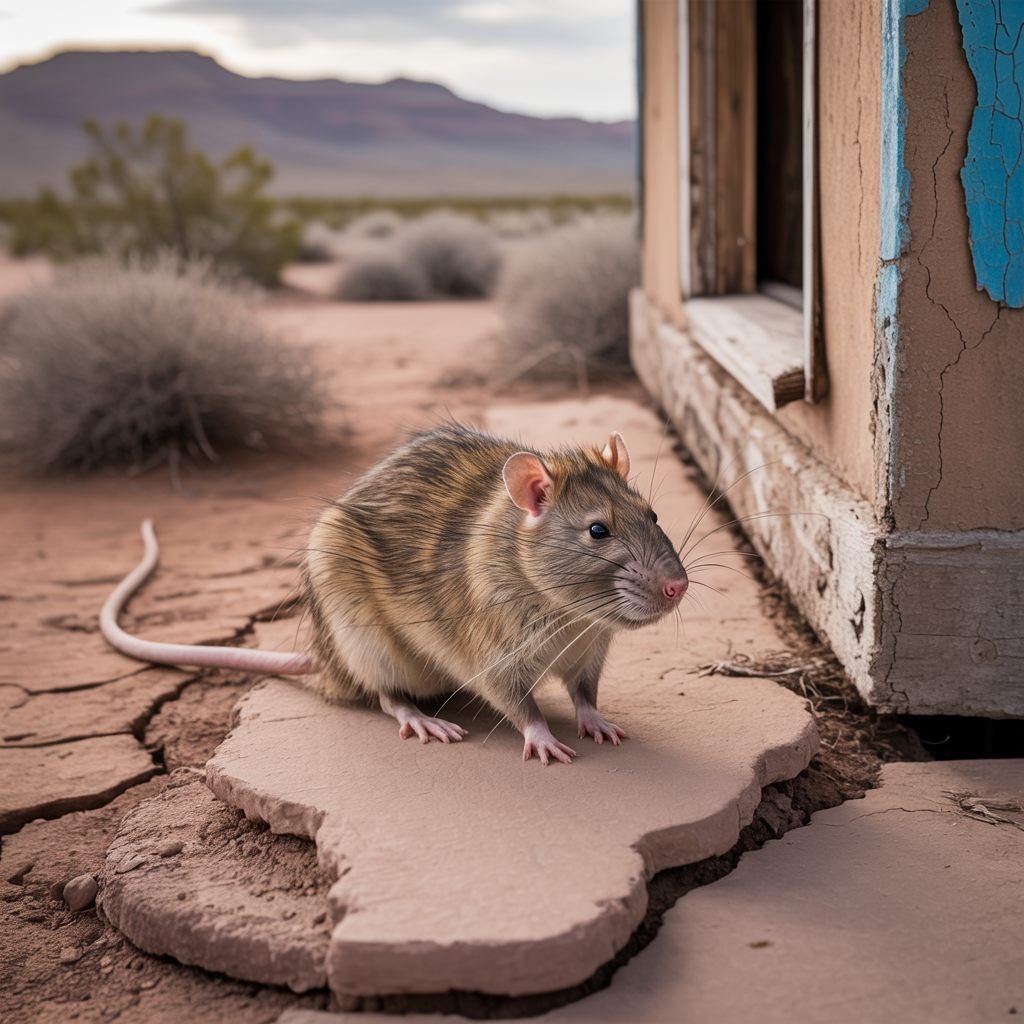
You have turned the lights off, the house is quiet, and then you hear it — scratching, scurrying, or gnawing coming from the wall or the ceiling. In Tucson, night noises in the structure almost always mean rodents, and where and when you hear them tells you a lot about which one.
Why the noise happens at night
Rats and mice are nocturnal. They rest during the day and become active after dark, which is exactly when the house goes quiet enough for you to hear them moving, gnawing to wear down their teeth, and dragging nesting material. If the sound reliably starts in the evening and fades by morning, that pattern alone points to rodents rather than settling timbers or expanding ductwork.
Reading the location
Noise in the ceiling or high in the walls
Activity overhead — in the attic or running along the top of a wall — points to roof rats, the climbing species that enters through the roofline. A room that has also stopped cooling well reinforces it, because roof rats chew duct insulation.
Noise low in the walls or the garage
Scurrying low down, especially near the garage or kitchen, is more typical of house mice travelling along the base of the walls.
Heavy dragging and gnawing near ground level
Louder dragging and gnawing at ground level, often with stick debris appearing in the yard or garage, suggests a pack rat.
What to do next
First, confirm it is rodents by looking for the other signs — droppings, gnaw marks, greasy rub marks, and a musky smell. Our signs of rodents page walks through all of them. Then act promptly: night noise means an active, breeding population, and the longer it runs the more contamination and wiring damage accumulates.
What not to do
Do not reach for poison. A rodent that dies inside a wall in a Tucson summer becomes an odour problem within a day, in a spot you cannot easily reach. Trapping and sealing clears the animals and closes the route without that risk.
Why acting early is cheaper
The scratching you hear tonight is a small population. Left alone through a season, it becomes a larger one, with chewed wiring (a genuine fire risk), contaminated insulation, and a bigger clean-up. The gap between noticing the noise and dealing with it is the cheapest window you will get.
Quick answers
Could it be something other than rodents?
Birds and, occasionally, other wildlife can make attic noise, but a nightly pattern of scratching and gnawing that stops by morning is overwhelmingly rodents in Tucson. An inspection confirms the species and entry.
Why do I only hear it at night?
Rodents are nocturnal, and the house is quietest then. Daytime activity can indicate a heavier infestation or a disturbed nest.
How do I get rid of the noise?
Locate and trap the animals, then seal the entry point so more cannot follow. Masking the noise does nothing about the population creating it.
Hearing it tonight? Book a free inspection and we will identify the species and find where it is getting in.
Not sure what you are dealing with?
A free inspection identifies the species, every entry point and the scope of work — in writing, before anyone quotes you a number.